
10 Expert Tips for Choosing the Right Garden Sprayer in 2026
- Different garden sprayers are designed for different tasks. Consider your garden size, spraying needs, and working conditions before selecting a backpack, handheld, wheeled, or battery-powered model.
- Capacity, portability, durability, adjustable nozzles, pump type, weight, and ease of cleaning are key factors that determine the performance, efficiency, and lifespan of a garden sprayer.
- The best garden sprayer is not always the most expensive one. Select a model that provides the right balance of features, quality, and affordability for your specific gardening requirements.
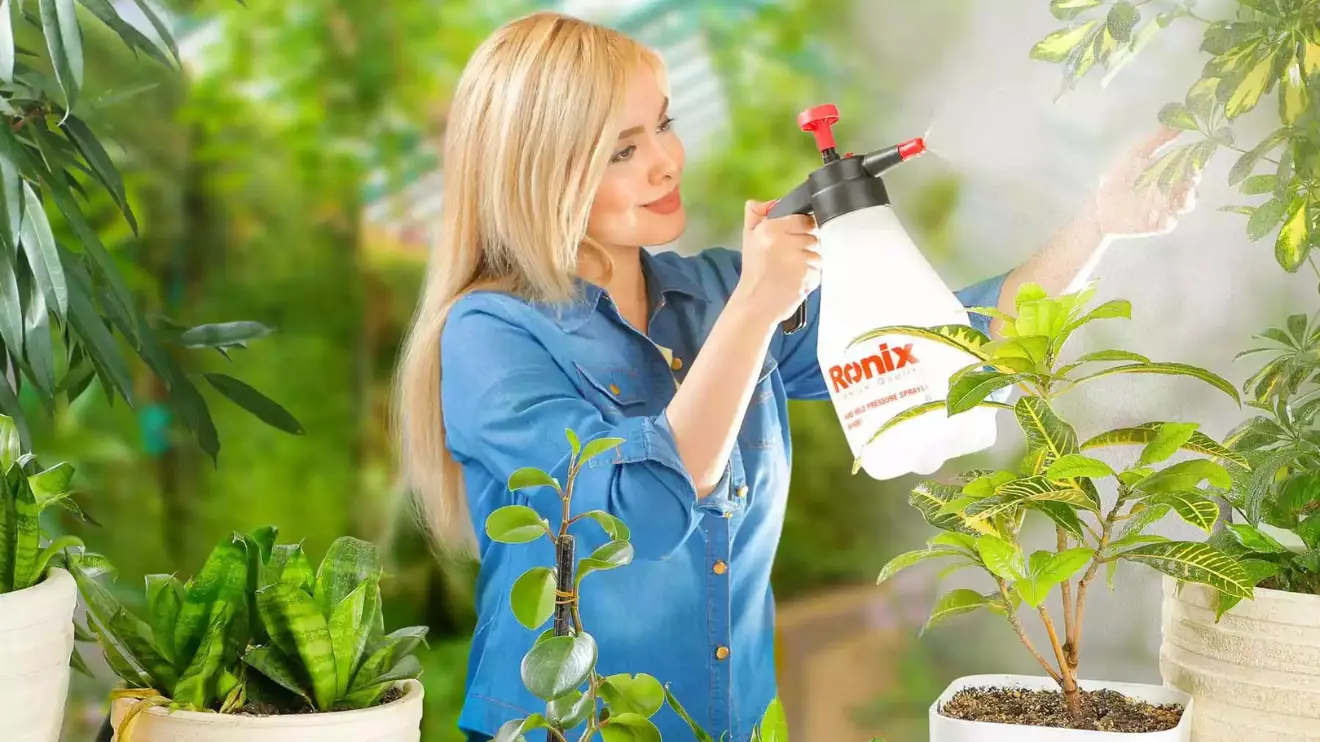

Building a beautiful garden is not only about removing weeds and controlling insects; it is also about creating and maintaining a healthy ecosystem. Weeds compete with plants for essential nutrients and can attract harmful pests, which may result in up to 43% reduction in crop yield. This is why a reliable garden sprayer plays an important role in maintaining a healthy and balanced garden environment.
At the same time, a properly maintained garden improves the appearance of your outdoor area while supporting better plant growth. Garden care is not limited to removing unwanted plants; it also includes protecting the complete ecosystem. Encouraging beneficial insects, such as pollinators, can greatly improve garden productivity because these insects help with pollination and support the development of fruits and vegetables.
However, controlling different types of weeds while protecting nearby plants can be challenging. It requires proper attention, suitable products, and the right equipment. Therefore, a well-designed garden sprayer is essential for applying insecticides and weed killers effectively while reducing the chances of damaging valuable plants. But before purchasing one, several important factors should be considered to select the best option according to your gardening needs.
What to Consider When Buying a Garden Sprayer?
When it comes to gardening, different types of sprayers are available, and each one is designed for specific purposes. Choosing the right garden sprayer is important because every garden has different requirements. These tools are used for various applications, including applying weedicide, insecticide, and nutrients to plants.
However, selecting a suitable model is not only about your garden requirements. You should also consider important features that improve performance, convenience, and durability. Understanding these factors helps you choose a sprayer that matches your gardening goals. Below are the top 10 common features to consider when selecting a garden sprayer:
1. Type of Sprayer
Choosing the right type of garden sprayer is one of the most important steps for maintaining a healthy and attractive garden. Since many different models are available in the market, you should first understand your garden’s size, layout, and specific needs before making a decision. Each type comes with unique features and functions designed for different gardening situations.
Therefore, carefully evaluate your garden requirements and then explore the available options. Different models, such as backpack sprayers, wheeled sprayers, and electric or battery-powered sprayers, provide different advantages. The best choice depends on your garden area, working conditions, and personal preference.
However, selecting a sprayer is not only about choosing a particular model. Other factors, including ease of operation, coverage capacity, and maintenance needs, are also important. By considering all these aspects, you can select a sprayer that provides efficient performance and supports long-term garden health. Some common types include:
- Hose-End Sprayers – Hose-end sprayers are a simple and affordable option for gardeners who want an easy way to spray their gardens. These sprayers take liquid from a bottle, mix it with water, and help cover a wider area with different garden chemicals.
- Backpack Sprayers – Backpack sprayers are a convenient choice for people who need more freedom while working. They are worn on the back and include a spray wand that makes handling liquid chemicals easier compared with handheld models. They allow you to move comfortably around the garden while carrying your spraying equipment, making them like a portable garden helper.
- Wheeled Models – Wheeled lawn and garden sprayers provide excellent convenience and efficiency. They are easy to move and allow you to cover larger areas without frequent refilling. However, although wheeled models are useful for large spaces, they may not perform well in small gardens with narrow areas or many obstacles. In such situations, a smaller and more compact sprayer may be a better choice.

- Electric or Battery Powered Sprayers: For gardeners who want a comfortable and efficient spraying experience, battery-powered sprayers are an excellent option. They remove the need for manual pumping and eliminate the inconvenience of fuel refilling. Powered by lithium-ion batteries, these models provide easier operation while also reducing waste and pollution. They are suitable for homeowners looking for convenience and environmentally friendly gardening equipment.
- Handheld Sprayer: A handheld sprayer is a useful tool when accuracy and control are important. It is especially suitable for applying pesticides and disease-controlling chemicals because it uses pressure to distribute liquids effectively.
- Pull Behind Tank Garden Sprayers: Pull-behind tank garden sprayers are ideal for gardeners who need greater mobility. These models can be attached to a garden tractor and moved easily around larger areas. They also include a spot spray wand that helps reach difficult areas without repeated movement.
- Spot Sprayer: Spot sprayers are designed for applying treatments in specific locations, such as fence lines, around buildings, or near trees. They can be attached to vehicles and provide flexibility for applying water, chemicals, and fertilizers in different areas.
2. Capacity
Selecting the right lawn sprayer also requires considering the tank capacity. The size of the tank affects how efficiently you can work and how much area can be covered with a single refill. Generally, garden sprayers are available with tank capacities ranging from eight ounces to five gallons.
However, the ideal capacity depends on factors such as garden size, plant types, and the chemicals you intend to apply. For larger gardens or areas with extensive vegetation, choosing a sprayer with a larger tank capacity can save time and reduce the need for frequent refilling.

On the other hand, smaller tanks need to be refilled more often during spraying. Therefore, selecting a sprayer with the right capacity according to your garden size and workload will make your gardening tasks easier and more efficient.
3. Portability
A garden sprayer should be comfortable to carry because you will need to move it throughout your garden. Therefore, selecting a model that matches your garden size and is easy to transport is very important. For small or medium-sized gardens, a medium-capacity sprayer with a manageable tank size is usually enough.
However, for larger gardens, a pull-behind or wheeled model may provide better convenience. A backpack sprayer is also a suitable option for uneven surfaces because it allows easier movement. When choosing a backpack model, pay attention to its overall size and weight because bulky sprayers can become difficult to carry and operate for longer periods.
4. Durability
Choosing a durable garden sprayer is essential because you need a machine that can handle regular use and provide reliable performance. The strength of the sprayer material is especially important because some chemicals can be harsh, and a low-quality sprayer may become damaged, causing leaks and reducing its working life.
Chemical leakage is a serious concern because it can be harmful to the user and may create safety problems. Therefore, always choose a sprayer that is strong enough to handle chemical pressure and regular gardening tasks.

When discussing durability, it is not only about preventing leaks; it is also about ensuring that the sprayer lasts for many years. Replacing a damaged sprayer frequently can increase expenses, so every gardener prefers a model that maintains its performance for a long time.
Furthermore, garden sprayers are available in different materials, including stainless steel, galvanized steel, and polythene. Steel models provide excellent strength and durability but are usually more expensive. Plastic models may not have the same lifespan as steel options, but they can work effectively for small gardens. Therefore, choose a material that best fits your gardening requirements and budget.
5. Cleaning
Cleaning your garden sprayer after every use is extremely important. Regular cleaning helps protect the pump from damage and prevents the nozzles from becoming blocked. Therefore, when selecting a sprayer, choose a model that is easy to clean and does not allow chemical residue to remain inside.
Over time, sprayers can become clogged and may require proper cleaning. In such situations, a model that can be easily disassembled and assembled again is more convenient. A built-in filter is also helpful because it prevents dirt and debris from entering the nozzle and causing blockages.
6. Adjustable Nozzles
Garden sprayers are useful for applying different materials, including fungicides, pesticides, and fertilizers. To achieve better results, the nozzle should be adjustable so you can modify the spray pattern according to your requirements. An adjustable nozzle is important because different chemicals require different spraying settings.

This feature helps you avoid purchasing multiple sprayers for different applications and also makes maintenance easier. Using the correct spray nozzle provides several advantages:
- Adjustable Spray Size: You can change the spray pattern and size according to the application requirement.
- Controlled Chemical Flow Rate: You can manage the speed at which chemicals are released during spraying.
- Adjustable Spraying Angle: You can change the spraying angle to achieve better coverage in different areas.
In this way, a flexible spray nozzle provides better control and makes different gardening tasks easier.
7. Weight
Garden sprayers are available in different weights depending on their size and the materials used in their construction. Furthermore, remember that the tank will also contain liquid, which can add several extra pounds to the overall weight. Therefore, the weight of a sprayer becomes an important factor, especially when working in larger gardens.
A heavy sprayer can become difficult to carry once it is filled with chemicals. As a result, maintaining a steady spraying pattern for a long time may become challenging, and workers may feel tired during extended use. Therefore, choose a sprayer weight that matches your garden size and your working requirements.
8. Pump
Every garden sprayer uses a pump to create pressure, which helps convert the liquid inside the tank into a fine mist or stream for application. However, there are two main types of pumps commonly used in sprayers, and the best option depends on the type of sprayer and the intended use. These pumps play an important role in improving spraying efficiency. The two most common types are:
- Piston Pumps: A piston pump works by moving up and down inside a cylinder to create pressure. This movement generates strong pressure, which can reach up to 90 pounds per square inch. Due to this high pressure, it can produce smaller droplets that travel over longer distances. However, piston pumps are more suitable for thin liquids because thick materials may block the system. One advantage is that repairing these pumps is usually easier compared with other pump types.
- Diaphragm Pumps: Diaphragm pumps operate differently from piston pumps. They contain a flexible diaphragm placed in the center of the pump, which moves back and forth to create pressure. Since the diaphragm does not directly rub against cylinder walls, these pumps offer excellent durability. They can produce pressure levels of around 60 PSI and are capable of handling abrasive chemicals. However, repairing diaphragm pumps may take more time compared with piston pumps.
9. Budget
When selecting a lawn sprayer, your budget is another important factor to consider. The good thing is that sprayers are available in different price ranges, so you can find options according to your financial situation. If you have a limited budget, affordable models can still provide good performance. On the other hand, if you are willing to spend more, advanced models with additional features are also available.

Moreover, choosing the right sprayer is not only about finding the cheapest option. It is about creating a balance between your available budget, required features, and gardening needs. Before purchasing, compare different models carefully and select one that provides the best value for your investment.
10. User Reviews
If you are looking for the best garden sprayer, learning from the experiences of other gardeners can be very helpful. User reviews provide valuable information about the real performance, advantages, and limitations of different models. Therefore, reading customer experiences can help you understand what works well and what problems others have faced.
Furthermore, you can also ask experienced gardeners for recommendations. Although every gardener has different requirements, these personal experiences and practical suggestions can guide you toward selecting a sprayer that matches your specific needs.
Why Use a Garden Sprayer and What Can You Do with It?
A useful garden sprayer can simplify many gardening activities. It is designed to apply liquids such as water, pesticides, and fertilizers in a controlled and effective way. Therefore, owning a suitable sprayer can make garden maintenance easier. Here are some practical uses of a garden sprayer:
- Watering Plants: A garden sprayer makes plant watering easier by allowing you to control the spray pressure. You can adjust the spray intensity according to the specific requirements of different plants.
- Applying Pesticides: When plants are affected by pests, a garden sprayer helps apply pesticides directly to the affected areas. This allows better protection while reducing unnecessary chemical use.
- Fertilizing: Garden sprayers are useful for applying fertilizers evenly throughout the garden. This helps ensure that plants receive the nutrients required for healthy growth.
- Applying Herbicides: When weeds become a problem, a lawn sprayer allows you to apply herbicides precisely to unwanted plants while protecting surrounding vegetation.
- Cleaning: Besides plant care, garden sprayers can also be used for cleaning gardening equipment. They provide a quick method for removing dirt and maintaining tools in better condition.
- Painting and Staining: Garden sprayers can also be used for painting or staining fences, wooden structures, and outdoor surfaces. They help save time and provide a smoother and more even finish.
- Misting for Humidity: Plants that require humid conditions can benefit from gentle misting. A fine spray can help create an environment similar to natural humidity conditions and support healthier growth.
- Applying Sealers or Protectants: Garden sprayers can be used to apply sealers and protectants on wooden garden structures. This extra protection helps increase their lifespan by defending them against weather conditions.
Conclusion
Maintaining a healthy garden requires more than simply controlling weeds. It involves creating a balanced environment where plants can grow properly. A reliable garden sprayer is an important tool, but selecting the right one requires careful consideration of factors such as type, capacity, portability, durability, weight, and cleaning convenience. The selection process should focus on finding a model that perfectly matches your garden requirements and provides long-term value.
references:
1. Loghmanpour Zarini, R., Kalantari, D., Akram, A., & Mollapour, S. (2021). Selecting the proper sprayer in citrus gardens of Mazandaran province by Analytical Hierarchy Process. Iranian Journal of Biosystem Engineering, 52(1), 119-129.
2. Kerr, J. (1980). Knowledge of spray equipment contributes to applicator efficiency. Weeds Trees & Turf, 19, 28-44.
3. Mcandrew, D. A. (2012). The All Natural Vegetable Garden Art and Science. Dog Ear Publishing.
4. Gillman, J. (2008). The truth about organic gardening: benefits, drawnbacks, and the bottom line. Timber press.
5. Gao, J., Bo, P., Lan, Y., Sun, L., Liu, H., Li, X., … & Wang, H. (2024). Study on droplet deposition characteristics and application of small and medium crown garden plants sprayed by UAV sprayer. Frontiers in Plant Science, 15, 1343793.
6. Rayamajhi, A. (2024). Precision Sprayer Technologies for Enhanced Ornamental Crop Management (Master’s thesis, University of Georgia).
7. Yu, Z., Geng, M., Zhao, K., Meng, X., Zhang, H., & He, X. (2025). Design and experimental operation of a swing-arm orchard sprayer. Agronomy, 15(7), 1706.

