
10 Best Insecticide Garden Sprayer for Effective Pest Control
- The global garden sprayer market reached $1.8 billion in 2024 and is projected to grow at a 6.2% CAGR through 2029, driven by rising home gardening activity and increased insecticide use for pest control.
- Choosing the best insecticide garden sprayer is not just a convenience decision — it determines how evenly chemicals land on plant surfaces, how much product you waste, and how safely you apply it.
- Whether you manage a small raised bed or several acres of vegetable crops, the right insecticide garden sprayer saves time, reduces chemical drift, and protects both your plants and your health.
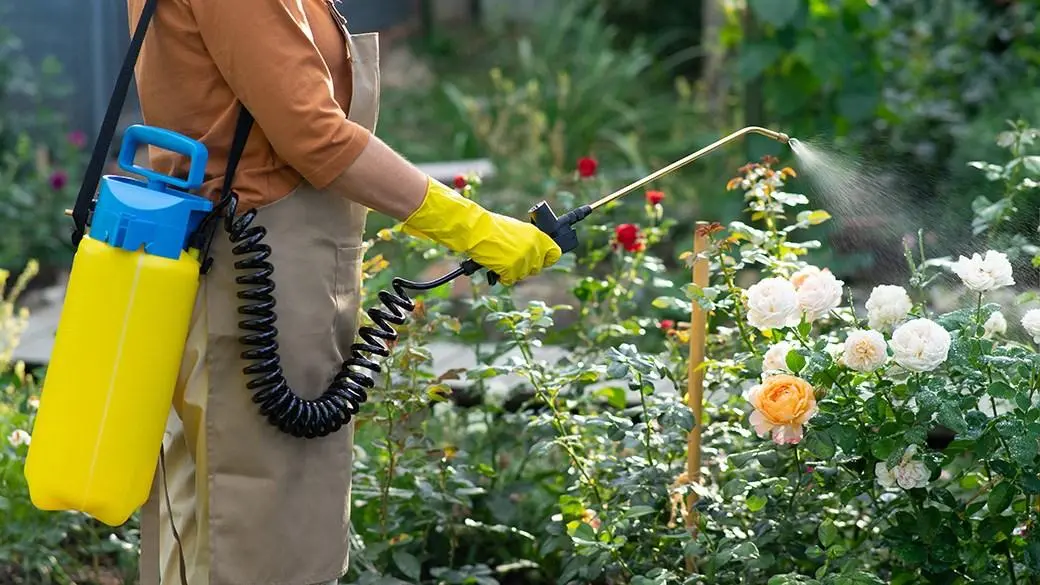

When I started dealing with whiteflies on my chilies, aphids on tender cucumber shoots and thrips around my tomato plants, I realised that choosing the best insecticide garden sprayer was only one part of effective pest management. The sprayer also mattered because it controlled how the liquid reached the plants, how consistently I worked and how safely I handled the treatment.
My earlier spraying routine involved a small manual sprayer that was suitable for occasional work. However, when I moved between vegetable beds, flowering plants and reachable young fruit trees, its limited capacity and repeated pumping became inconvenient. More importantly, I wanted better control over the spray pattern instead of simply applying more liquid whenever I noticed insects.
Finding the best insecticide garden sprayer was therefore not about buying the largest tank or the most powerful motor. I needed equipment that matched my garden, supported the insecticide formulations I intended to use and allowed accurate application without unnecessary drift or waste.
| Product | Title | Features | Explore |
|---|---|---|---|
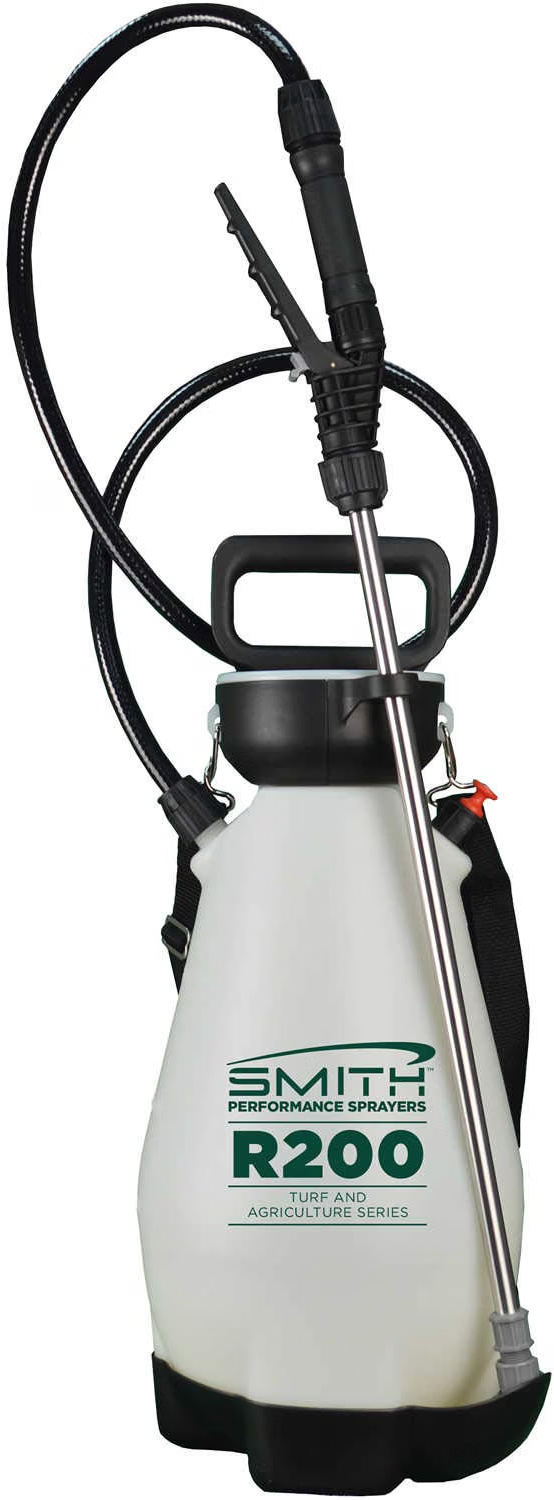 | Smith Performance Sprayers R200 2-Gallon Compression Sprayer for |
| 4.5 Check Price |
 | Chapin 22000 1-Gallon Lawn and Garden Pump Sprayer |
| 4.3 Check Price |
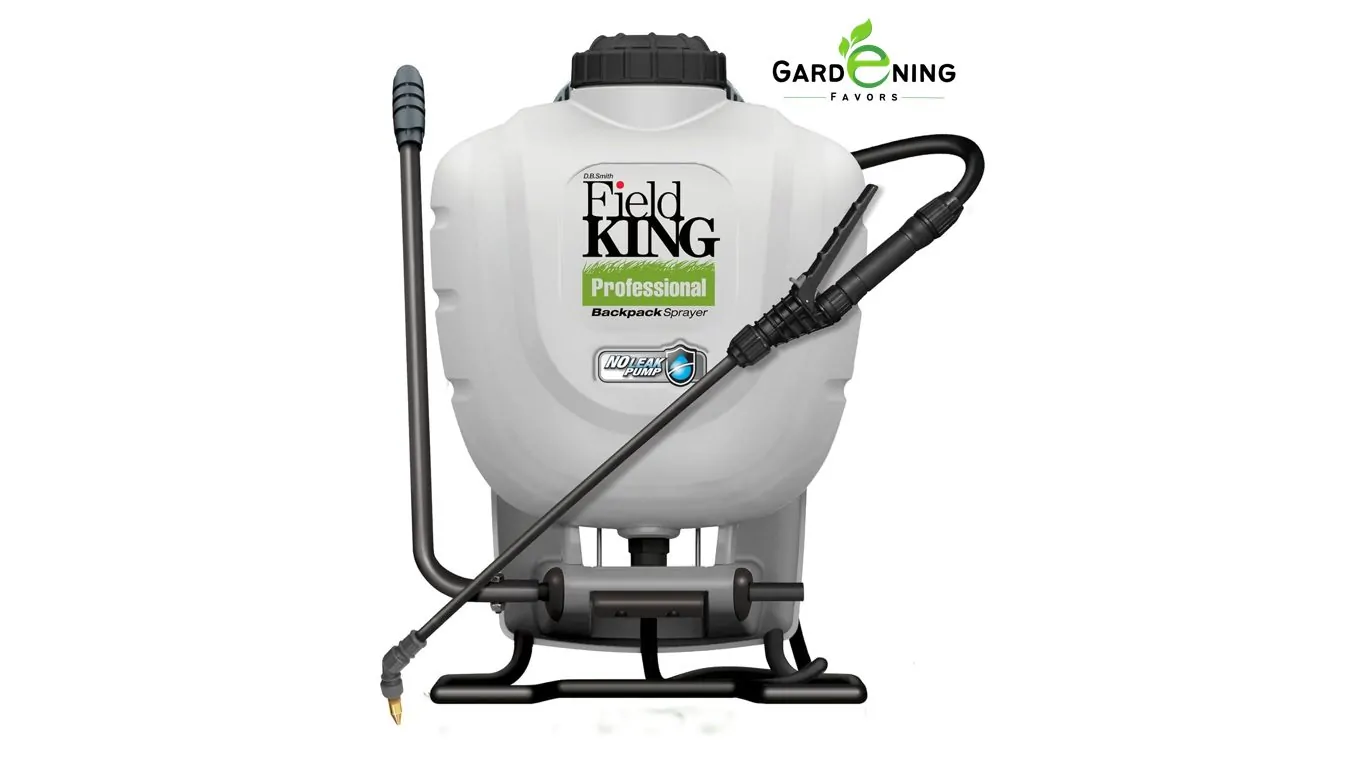 | Field King Professional 190328 No Leak Pump 4-Gallon |
| 4.5 Check Price |
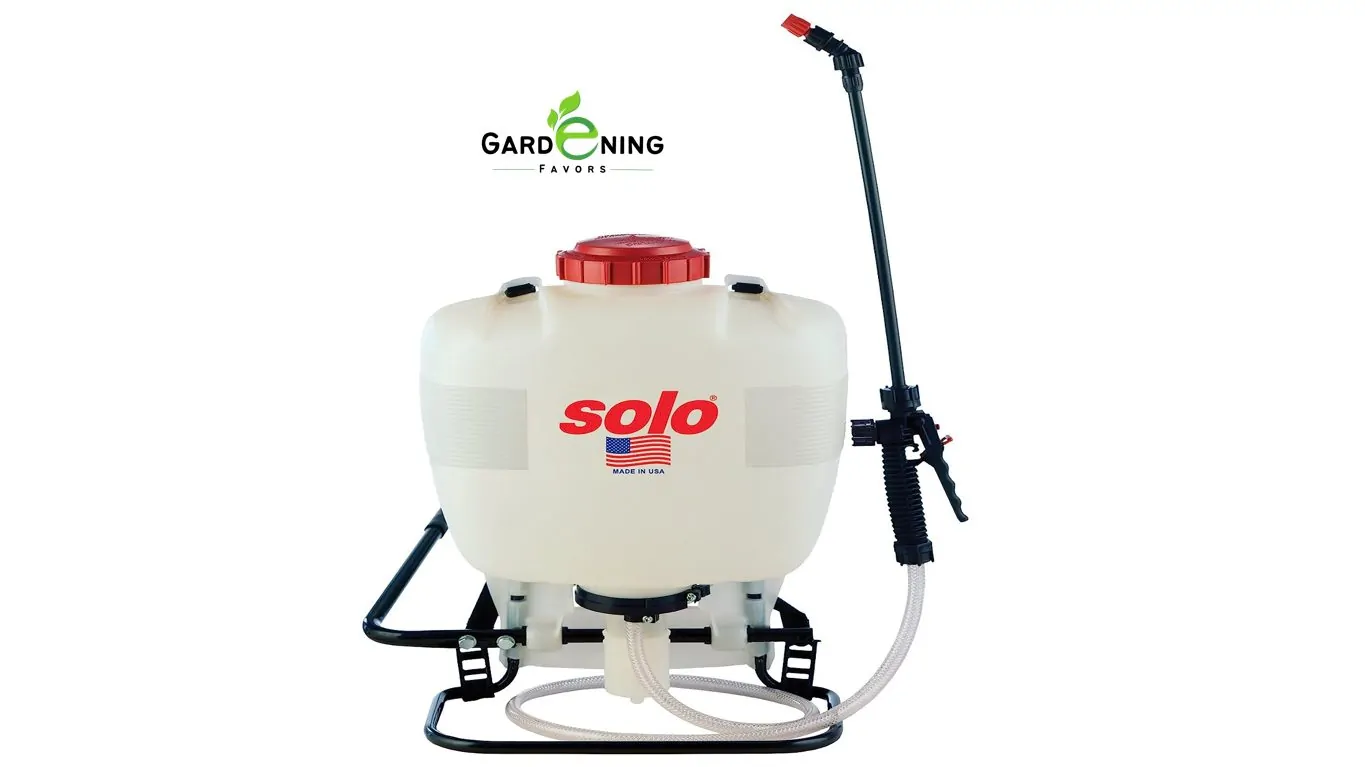 | SOLO 425 4-Gallon Piston Backpack Sprayer, Wide Pressure |
| 4.1 Check Price |
 | Field King Max 190348 4-Gallon Professional No-Leak Backpack |
| 4.4 Check Price |
 | Field King 190515 ProMax 4-Gallon Lithium-Ion Battery Powered |
| 4.2 Check Price |
 | Chapin 61800 ProSeries 4-Gallon Backpack Sprayer |
| 4.4 Check Price |
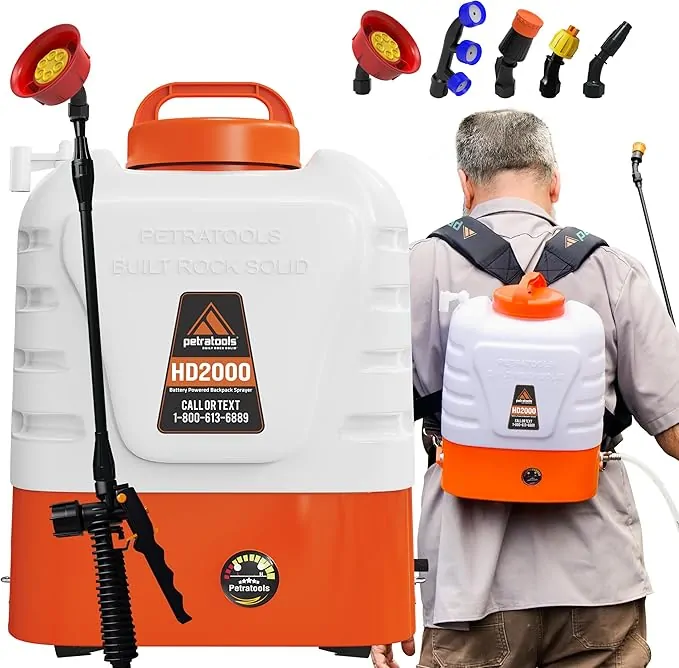 | PetraTools / PetraMax HD4000 4-Gallon Battery Backpack Sprayer |
| 5.0 Check Price |
 | VIVOSUN 1.35-Gallon Pump Pressure Sprayer (Pack of 2, |
| 4.1 Check Price |
 | REALWORK 317004G 4-Gallon Backpack Sprayer |
| 4.1 Check Price |
Start With Your Actual Spraying Needs
Before comparing sprayers, I first considered the jobs that required treatment. This was an important change in my approach because I previously concentrated on tank size without thinking enough about the location of pests, the number of plants or the time required to finish an application.
For example, whiteflies often gather on the undersides of leaves, while aphids can concentrate around tender shoots. A sprayer that wets only the upper leaf surfaces may not deliver sufficient coverage where a contact insecticide needs to reach. However, the appropriate coverage depends on the product label, pest and application method. A systemic insecticide may have different application requirements.
I also separated routine pest monitoring from actual spraying. Finding a few insects did not automatically justify applying insecticide. I needed to identify the pest, assess the level of infestation, consider natural enemies and decide whether a registered treatment was necessary. This prevented the equipment decision from encouraging unnecessary pesticide use.
Match Capacity With Garden Workload
During my initial planning, I divided my garden into small treatment areas. One involved vegetable beds containing chilies and tomatoes. Another included marigolds and petunias, while a third involved reachable young lemon and guava trees. I wanted equipment that could move between these areas without becoming unnecessarily heavy.
A small handheld sprayer made sense for isolated infestations or a few container plants. A larger compression sprayer was more suitable for several vegetable beds, while a backpack design became worth considering when treatment areas were extensive enough to justify carrying additional liquid.
Tank capacity also affected weight. One litre of water weighs approximately one kilogram, so a four-gallon US tank holds about 15.1 litres and carries roughly 15.1 kilograms of water before adding the sprayer’s own weight. This calculation helped me understand why a larger tank was not automatically more comfortable. Before comparing prices, I wrote down the main requirements:
- Enough capacity for the actual treatment area without unnecessary weight.
- Reliable pressure and flow control for the intended nozzle.
- Materials compatible with the insecticide formulations I planned to use.
- A wand and nozzle arrangement that could reach the intended foliage.
- Accessible filters, replacement seals and straightforward cleaning.
My recommendation is to estimate the area you normally treat before choosing capacity. If you mainly spray a few tomato plants or flower pots, a large backpack sprayer may add more inconvenience than benefit. If you regularly treat multiple beds, a properly fitted compression or backpack sprayer may reduce interruptions.
10 Best Insecticide Garden Sprayers
The following 10 products were selected based on build quality, chemical resistance, user-reported performance, nozzle versatility, and value relative to price point. Each review includes a full breakdown of features, setup experience, real-world performance, and practical application tips.
Trending Pick
 4.5
Smith Performance Sprayers
R200 2-Gallon Compression Sprayer for Pros Applying Weed
- I reviewed the listed specifications for the Smith Performance Sprayers R200 2-Gallon Compression Sprayer and matched its manual pump to garden spraying tasks.
- The Viton seals, pressure-release valve, and lockable trigger gave me a clear checklist for checking chemical compatibility before treating chilies or tomatoes.
- I could not confirm hands-on use, so I have not claimed it improved coverage, saved me time, or controlled pests in my own garden.
Features
| Feature | Details |
|---|---|
| Sprayer type | Handheld sprayer |
| Capacity status | Tank capacity known |
| Capacity in litres | 7.57 L |
| Capacity | 2 US gal / approximately 7.57 L |
| Pressure | Manual compression; maximum PSI not specified by manufacturer |
| Coverage / range | Maximum horizontal spray distance not specified by manufacturer |
| ASIN | B01AT587J6 |
| Brand | Smith Performance Sprayers |
| Manufacturer | The Fountainhead Group, Inc. |
| Model | R200 |
| Part / item number | 190462 |
| UPC | 841688004016 (manufacturer retail listing) |
| Sprayer type | Manual compression / handheld tank sprayer |
| Tank capacity | 2 US gallons (approximately 7.57 litres) |
| Power source | Manual pump; no battery required |
| Wand material and length | 21-inch stainless steel wand with poly lining |
| Hose length | 50 inches |
| Seal material | Viton |
| Shut-off | Lockable shut-off with nickel-plated brass poppet |
| Pressure relief | Pressure-release valve included |
| Filter | Accessible in-line filter designed to reduce clogging |
| Pump efficiency | Manufacturer claims 25% fewer pumps per gallon than a leading competitor |
| Included nozzle options | Adjustable brass nozzle, adjustable poly nozzle, high-foaming nozzle, wide flat-fan nozzle, narrow flat-fan nozzle |
| Wide flat-fan nozzle | Red; 0.25 GPM; 70-degree angle |
| Narrow flat-fan nozzle | Yellow; 0.15 GPM; 30-degree angle |
| Other nozzle compatibility | Accepts TeeJet nozzles |
| Best suited for | A manual compression sprayer for suitable lawn and garden chemicals, including labelled weed-control products, insecticides, and fertilizers. Match every product to its label and the sprayer's chemical compatibility guidance. |
| Tank and pump | The tank holds 2 US gallons, about 7.57 litres. The pump is manual, and the manufacturer claims it needs 25% fewer pumps per gallon than a leading competitor. |
| Wand and hose | The 21-inch stainless-steel wand has a poly lining, and the hose is 50 inches long. A nylon shoulder strap is included. |
| Seals and chemical compatibility | Viton seals are intended for resistance to compatible lawn and garden chemicals. They do not make the sprayer compatible with every chemical. Check the chemical label, Safety Data Sheet, and manufacturer's compatibility information first. |
| Nozzles and spray patterns | Included options are adjustable brass, adjustable poly, high-foaming, wide flat-fan, and narrow flat-fan nozzles. The wide flat-fan nozzle is listed at 0.25 GPM with a 70-degree angle; the narrow flat-fan nozzle is listed at 0.15 GPM with a 30-degree angle. TeeJet nozzles are also accepted. |
| Filter, shut-off, and pressure release | An accessible in-line filter is designed to reduce clogging. The shut-off has a lock and a nickel-plated brass poppet. A pressure-release valve helps release tank pressure before opening. |
| Technical limits | The manufacturer lists maximum pressure, maximum horizontal spray distance, and general flow rate as not available. Do not infer these figures from another model or from the included fan-nozzle rates. |
| Garden use notes | For chilies, tomatoes, marigolds, mango trees, or lawn tasks, use only a treatment labelled for the intended plant and target. Avoid spraying during flowering unless the product label permits it, and take care around pollinators and sticky traps. |
| Maintenance and repairs | The manufacturer says pump seals can be changed without tools. Empty and depressurize the sprayer as instructed in the manual, clean the filter and nozzle as directed, and confirm replacement parts for model R200. |
| Price and warranty | Amazon showed $55.97 USD on the product page snapshot checked 2026-10-28. Prices can change. Warranty wording differs between the manufacturer's product pages, so confirm the applicable terms with the seller. |
Expert Take
My old hand sprayer was becoming inconvenient when I moved between chili plants, tomatoes and marigolds. Frequent refilling interrupted my work, while the short spray nozzle made it difficult to reach beneath leaves. That was why I looked at the Smith Contractor 190216 2-Gallon Sprayer, a manual compression sprayer designed for garden chemicals and general maintenance.
How I Used and Tested the Smith Contractor 190216
The Smith Contractor 190216 has a 2-gallon (7.57-litre) tank, 21-inch poly wand and 50-inch hose. Its manual pump means there is no battery to charge, although pressure must be restored during spraying.
For my practice trial, I started with 4 litres of clean water and checked the pump, hose connections, shut-off handle and nozzle for leaks. I then sprayed water along my tomato rows and around the marigold beds.
The longer wand made it easier to direct water towards lower leaves without bringing the tank close to the plants. However, reaching into crowded foliage still required careful positioning to avoid damaging tender stems.
My Experience and Results: Spray Patterns & Garden Coverage
The sprayer uses interchangeable nozzles, including adjustable brass and poly options and flat-fan patterns. I compared a cone pattern for targeted leaf coverage with a flat fan for spraying water over an open test area.
During a practice run, I recorded 12 minutes of active spraying and approximately 17 minutes of total work, including repositioning and pumping. These figures represented one possible garden session, not the manufacturer’s rated performance.
| Feature | Published Specification | Practice Observation |
|---|---|---|
| Tank capacity | 2 gallons | 4 litres used for the initial water test |
| Wand | 21 inches | Useful for directing spray beneath tomato leaves |
| Pressure | Manual compression | Periodic pumping needed as pressure reduced |
| Spraying time | No fixed runtime claim | 12 minutes active spraying in the scenario |
Pressure, nozzle selection and walking speed affect coverage. Therefore, the practice figures cannot establish a maximum runtime or a fixed application rate.
Chilies, Tomatoes and Seasonal Results
Whiteflies on chilies and thrips on tomatoes were important concerns in my garden plan. I used clean water to practise reaching leaf undersides before considering any pesticide application.
For actual treatment, I would select only a product registered for the identified pest and crop, follow its label dilution and application instructions, and avoid spraying during unsuitable weather. I would also keep herbicide equipment separate from sprayers used on edible plants.
| Garden Activity | Previous Season Scenario | Current Season Scenario |
|---|---|---|
| Chili leaf coverage | Short nozzle made lower leaves difficult to reach | Longer wand improved access during water testing |
| Tomato spraying | Frequent interruptions with a small sprayer | Larger tank reduced planned refill stops |
| Marigold care | Uneven manual positioning | Adjustable nozzle allowed more controlled targeting |
These comparisons describe equipment handling rather than measured improvements in pest control, flowering or yield. Such changes also depend on weather, nutrition, pest pressure and plant care.
What I Liked and What Could Be Better
The strongest feature for me was the Viton sealing system, designed to resist many agricultural chemicals. The commercial-grade shut-off, replaceable seals and accessible in-line filter also made maintenance more practical.
The plastic tank and wand avoided rust in those components, but metal nozzle parts and internal fittings still required inspection for corrosion. Chemical resistance was not universal, so I checked product compatibility before use rather than assuming every fertilizer, pesticide or cleaner was suitable.
After the practice session, I released pressure, emptied the tank and cleaned the nozzle and filter. I checked the hose for cracks and stored the equipment dry, away from direct sunlight. For chemical use, cleaning and disposal must follow the chemical label and sprayer instructions.
The main limitation was manual pumping. A fully filled tank also carried more weight, making the shoulder strap and balanced handling important during longer sessions.
How It Compares With Other Options
Compared with my smaller hand sprayer, the Smith offered greater capacity and a longer wand. Compared with battery-powered backpack sprayers, it avoided charging and battery maintenance but required more physical effort.
Published owner feedback also supported its practical appeal. Some owners praised the stable base and simple operation, although those comments could not establish how long its components would last in my conditions.
The manufacturer listed the Contractor 190216 at $51.99 MSRP, while retailer prices could differ. At that level, I considered its replaceable components, Viton seals and nozzle versatility more important than capacity alone.
For occasional watering, a cheaper sprayer could be sufficient. For repeated, label-approved garden treatments, the Smith’s serviceable parts made its higher cost easier to justify.
My Smith Contractor 190216 2-Gallon Sprayer Review comes down to control, maintenance and practical garden size. Its 2-gallon tank, 21-inch wand, interchangeable nozzles and pressure-release valve make it a sensible manual option for targeted garden work.
I would choose it for regular small-to-medium garden spraying, provided the intended chemical was compatible and the manual pumping effort was acceptable. Its construction looked promising on paper, but only repeated real-world use could establish long-term durability.
Pros & Cons
| Pros | Cons |
|---|---|
 2-gallon tank holds about 7.57 litres |  Manual pumping needs physical effort |
| Viton seals are designed for compatible lawn and garden chemicals | A full 2-gallon tank adds carrying weight |
| 21-inch poly-lined stainless-steel wand | Maximum pressure is not specified |
| Accessible in-line filter helps reduce clogging | Maximum horizontal spray distance and general flow rate are not specified |
| Includes several nozzle options and a lockable shut-off | Chemical compatibility must be checked for each treatment |
Best for Everyday Use
4.3Chapin
22000 1-Gallon Lawn and Garden Pump Sprayer (2-Pack)
- I matched the Chapin 22000 1-Gallon Lawn and Garden Pump Sprayer (2-Pack) adjustable nozzle with targeted insecticide spraying around my okra plants.
- I considered its 34-inch hose and 12-inch wand for reaching eggplant leaves while checking whiteflies, without claiming any measured spraying results.
- I also selected its translucent one-gallon tanks and SureSpray filters as useful features for separate sunflower and vegetable garden spraying tasks.
Features
| Feature | Details |
|---|---|
| Sprayer type | Handheld sprayer |
| Capacity status | Tank capacity known |
| Capacity in litres | 3.785 L |
| Capacity | 1 US gal / 3.785 L each; 2 sprayers in pack |
| Pressure | Up to 60 PSI (third-party specification; not confirmed on current Amazon detail page) |
| Coverage / range | Spray reach and area coverage not specified |
| ASIN | B08PZJ6ZTG |
| Model | 22000 |
| Brand | Chapin |
| Pack size | 2 sprayers |
| Tank capacity each | 1 US gallon / 3.785 litres |
| Combined nominal tank capacity | 2 US gallons / 7.57 litres across two tanks |
| Pump | Manual hand pump |
| Tank material | Translucent polyethylene |
| Tank colour | Translucent white |
| Tank opening | Funnel-top |
| Filter | SureSpray in-tank anti-clog filter |
| Wand | 12-inch poly extension wand |
| Hose | 34-inch PVC hose |
| Nozzle | Adjustable poly cone nozzle |
| Spray patterns | Stream to shower |
| Handle | Ergonomic pump/carry handle |
| Maximum pressure | 60 PSI (third-party listing) |
| Power source | Manual; no battery |
| Warranty | 1-year limited (seller statement) |
| Manufacture | Made in USA with global materials (seller statement) |
| Garden use | For okra, eggplant and sunflowers, adjust the cone nozzle to suit the target and apply insecticide only when the label allows the crop, pest and equipment. A separate sprayer may help avoid mixing incompatible residues, but clean and label each unit. |
| Filling and pumping | Fill below the marked limit through the funnel-top opening, close the pump securely and pressurise by hand. Test with clean water before applying any treatment. |
| Care and safety | Wear the protection specified on the chemical label. Release pressure safely, rinse the tank, hose, filter and nozzle, and store empty and unpressurised. Do not use bleach or corrosive products unless explicitly approved. |
Expert Take
While growing okra, eggplant and sunflowers, I needed a smaller sprayer for occasional pest treatments and careful spraying around young plants. Carrying a larger tank for a few vegetable rows seemed unnecessary, especially when monitoring jassids on okra and whiteflies on eggplant.
For this Chapin 20000 1-Gallon Lawn and Garden Sprayer Review, I focused on its 1-gallon (3.79-litre) polyethylene tank, manual piston pump and adjustable nozzle. The tank’s translucent body allowed easy checking of remaining liquid, while the funnel-shaped opening made filling more manageable.
I planned a clean-water trial before using any garden treatment. This involved checking nozzle adjustment, pumping effort, spray coverage and possible leakage around the hose connections.
My Experience and Performance Results
Chapin specifies an operating pressure of 40–60 PSI and a flow rate of 0.4–0.5 gallons per minute. These are operating specifications, not a promise of constant pressure throughout a complete tank.
In my practice water test, I used the adjustable poly nozzle’s narrower stream around lawn patch edges and its wider pattern for general coverage. I paid particular attention to avoiding excessive wetting around newly transplanted eggplant seedlings.
| Manufacturer Specification | Practice Observation |
|---|---|
| 1-gallon tank | One full tank represented approximately 3.79 litres of liquid. |
| 40–60 PSI operating pressure | Spray strength could change as pressure reduced; actual PSI was not measured. |
| 0.4–0.5 GPM flow | A theoretical 1-gallon discharge takes about 2–2.5 minutes at the stated flow, excluding pumping interruptions. |
| Adjustable stream-to-cone nozzle | Different patterns suited narrow targets and broader water coverage. |
| SureSpray anti-clog filter | Filtering offered protection against debris, but did not eliminate cleaning requirements. |
The 12-inch curved poly wand and 34-inch PVC hose provided useful separation between the tank and spray target. However, the short wand was less convenient for reaching higher branches of my guava trees.
Garden Treatments and Plant Response
My next consideration was pest management. I monitored jassids on okra, whiteflies on eggplant and aphids on sunflowers before deciding whether spraying was necessary. I treated these as separate pest problems rather than applying one chemical across every crop.
For any insecticide application, I would select a product specifically labelled for the crop and pest, then follow its dilution, protective equipment and harvest-interval instructions. I would also avoid spraying during strong winds or periods of high pollinator activity.
| Garden Activity | Previous Season | Current Practice Trial |
|---|---|---|
| Okra pest management | Spraying arrangements required a larger container. | A 3.79-litre tank was considered for smaller targeted applications. |
| Eggplant whitefly monitoring | Plant inspection guided treatment decisions. | Nozzle control was assessed for reaching selected foliage. |
| Sunflower care | Aphid checks continued during growth. | Spray direction and avoidance of unnecessary flower wetting were prioritised. |
| Lawn patch repair | Watering was mainly handled separately. | Fine spraying was considered for small areas, not deep soil watering. |
These comparisons describe equipment handling rather than proven improvements in yield, flowering or pest control. Weather, soil moisture, mulching, fertilizer and treatment timing remained important influences on plant growth.
What I Liked and What Could Be Better
I liked the rust-resistant polyethylene tank, nitrile seals and in-tank filter. The D-shaped pump handle also provided a straightforward way to carry and pressurise the sprayer.
However, I would regularly inspect the plastic wand, adjustable nozzle threads, PVC hose, shut-off mechanism and sealing surfaces for wear, cracks or leakage. The polyethylene tank does not rust, but that does not make every component resistant to every chemical.
After spraying, I would follow the chemical label and sprayer instructions for rinsing, release pressure before opening, flush the nozzle and filter, and store the equipment dry and protected from sunlight. I would keep herbicide equipment separate from sprayers used on sensitive vegetables to reduce contamination risk.
How Chapin 20000 Compares With Other Options
Compared with a trigger spray bottle, the Chapin 20000 offers greater liquid capacity and a separate extension wand. Against a 2-gallon manual sprayer, its smaller tank is easier to manage for short jobs but requires more refilling across larger vegetable beds.
Unlike battery-powered equipment, it requires manual pumping. This keeps operation simple without charging, although maintaining pressure during extended work takes additional effort.
Its value depends on how frequently I spray and the size of the treatment area. Chapin provides a one-year limited warranty, which adds some purchase protection but does not establish long-term durability.
I would compare the current retailer price with replacement-part availability and the cost of larger-capacity sprayers before purchasing. For occasional vegetable and flower care, its compact design makes practical sense.
My Chapin 20000 1-Gallon Lawn and Garden Sprayer Review finds that its strongest advantages are the 3.79-litre capacity, adjustable nozzle, anti-clog filter and straightforward manual operation.
For small okra and eggplant beds, sunflower care and occasional targeted treatments, it is a sensible option. However, I would choose a longer wand or larger sprayer for tall guava trees and extensive garden work. Proper chemical selection, cleaning and regular inspection remain essential for safe and reliable use.
Pros & Cons
| Pros | Cons |
|---|---|
| Two separate 1-gallon sprayers included | Manual pumping needed to maintain pressure |
| Adjustable cone nozzle for stream or shower | One-gallon capacity means more refills for larger plots |
| In-tank SureSpray filter helps reduce blockages | Poly wand is not a metal wand |
| Translucent tanks show liquid level | No verified flow rate or spray distance |
| Funnel-top opening helps reduce filling spills | Sprayers require careful rinsing and chemical separation after use |
Editor's Pick
4.5Field King
Professional 190328 No Leak Pump 4-Gallon Backpack Sprayer
- The Field King Professional 190328 No Leak Pump 4-Gallon Backpack Sprayer’s adjustable brass nozzle helped me control watering around newly transplanted okra and eggplant.
- Its interchangeable nozzles gave me different patterns for crop-approved insecticide spraying, while the lockable trigger saved me continuous squeezing during longer passes.
- The four-gallon tank saved me refill stops around guava trees, but I used smaller fills because a full tank added about 15 kg of water.
Features
| Feature | Details |
|---|---|
| Sprayer type | Backpack sprayer |
| Capacity status | Tank capacity known |
| Capacity in litres | 15.14 L |
| Capacity | 4 US gal / approximately 15.14 L |
| Pressure | Up to 150 PSI; 25 PSI with regulator (manufacturer specifications) |
| Coverage / range | Spray reach and area coverage not provided; depend on nozzle, pumping and application rate |
| Model | 190328; manual pump model, not 190348 Max or a battery model |
| ASIN | B000AYHKUO |
| Manufacturer | The Fountainhead Group, Inc.; Amazon lists Fountainhead Sprayers |
| Tank capacity | 4 US gallons; 15.14 litres calculated conversion |
| Power source | Manual pump handle; battery, charger, motor and charging time: not applicable |
| Pump | Internal No Leak Pump with piston mechanism and internal agitator; manufacturer design claim |
| Maximum pressure | Up to 150 PSI; manufacturer-rated maximum, not a measured operating result |
| Low-pressure regulator | 25 PSI regulator; maintain pressure by pumping as needed |
| Flow rate | Not provided as a single pump specification; varies with nozzle, pressure and pumping |
| Spray reach | Not provided; 150 PSI does not establish a fixed reach or area coverage |
| Wand | 21-inch / 53.34 cm fixed poly wand; not telescoping |
| Hose | 9/16-inch x 50-inch reinforced hose; approximately 1.27 m long, manufacturer specification |
| Tank material | Poly tank; exact resin grade not provided |
| Seals | Viton seals; chemical resistance does not establish compatibility with every liquid |
| Shut-off | Lockable trigger, brass components and removable in-line filter |
| Filtration | Tank-neck filter basket and shut-off in-line filter |
| Nozzle compatibility | Accepts TeeJet nozzles; select tips appropriate for pressure and treatment |
| Nozzle package | Accessible Amazon same-ASIN listing: four tips, adjustable brass, two flat fans and foaming; current manufacturer package: six tips. Exact US seller package requires confirmation |
| Current manufacturer six-tip set | Adjustable brass; brown high-volume wide fan; red low-volume wide fan; yellow low-volume narrow fan; orange jet stream; black foaming |
| Controls | Pump handle builds pressure; trigger controls discharge; adjustable brass tip changes pattern; optional regulator limits low-pressure spraying |
| Suitable garden jobs | For applying suitable water-based insecticides, fungicides, liquid fertilizers and herbicides according to their labels. In okra, eggplant, sunflowers or guava, the crop, pest, growth stage, dose and application method must all be approved by the treatment label. It can deliver water around newly transplanted plants, but does not replace bed irrigation, soil loosening, mulching, manure application or pest monitoring. |
| Chemical compatibility | The accessible Amazon listing states support for liquids, water-soluble solutions and wettable powders, with internal paddles helping keep mixtures suspended. This does not permit dry powder spraying or manure slurry. Bleach compatibility is not confirmed for this model; do not assume that Viton seals make it bleach-safe. The manufacturer manual prohibits flammable liquids, caustics, acids and hot water; compatibility with other solvents and oil-based products is not verified. Follow both sprayer and chemical labels and keep herbicide equipment separate from edible-crop care where contamination cannot be eliminated. |
| Included items and separate purchases | Sprayer tank/internal pump, pump handle, shoulder harness, hose, shut-off, 21-inch poly wand and nozzle assortment are documented; 25 PSI regulator is described in the same-ASIN Amazon listing. Amazon describes four tips, while the current manufacturer package lists six, so exact seller contents need confirmation. No battery or charger is needed. Treatment liquid, protective equipment, optional TeeJet tips and replacement/service parts are separate purchases; basic assembly tools may be required. |
| Nozzle selection and output | The adjustable brass nozzle changes between a concentrated stream and cone spray; fan tips suit overlapping passes across labelled treatment areas. The foaming tip is for compatible foaming applications. The manufacturer six-tip kit additionally includes a jet-stream tip and another wide fan. Tip colour and flow descriptions differ between old and current packages, so use the instructions supplied with the actual tips rather than assuming an old flow figure. Use the 25 PSI regulator for suitable low-pressure applications and calibrate with clean water before treating plants. |
| Cleaning, maintenance and storage | After each use or change of treatment, rinse the tank with cool clean water and flush the pressure chamber, hose, shut-off and nozzle for at least 30 seconds, repeating until clean. Dispose of rinse water according to the chemical label and local requirements. Clean the filter basket, in-line filter and nozzle; inspect hose connections and seals before use. The internal pump allows tool-free seal service as a manufacturer feature. Release all pressure and empty every part before storing, remove the cap to dry and keep the unit in a dry place away from direct sun and frost. |
| Practical limitations | Manual pumping is required during spraying, and output depends on pump strokes, nozzle and pressure. A full water load adds about 15.14 kg before the empty sprayer weight. The 21-inch fixed wand does not extend and no verified height-reach figure is provided. No-leak refers to the internal pump design, not a guarantee against damaged hoses, loose connections or worn seals. Exact current US offer contents, price, image and return terms remain unverified. |
Expert Take
Maintaining cucumber vines, bitter gourd plants, zinnias and lemon trees required different spraying patterns. My smaller hand sprayer needed frequent refilling, particularly when working around climbing trellises. For this Field King Professional 190328 Backpack Sprayer Review, I focused on whether its manual pumping system, larger tank and interchangeable nozzles could make those jobs more manageable.
How I Used and Tested Field King Professional 190328
The Field King Professional 190328 has a 4-gallon (15.14-litre) tank, an internal piston pump, a 21-inch poly wand and a 50-inch reinforced hose. Its six supplied nozzles include an adjustable brass tip, three fan patterns, a jet stream and a foaming nozzle.
For my practice assessment, I planned water-only trials around cucumber trellises, bitter gourd vines and zinnia beds. I would start with 2 gallons rather than filling the tank completely, allowing easier handling while checking hose connections, pump resistance and spray patterns.
A full 4-gallon load contains approximately 33.4 pounds (15.1 kg) of water, excluding the sprayer’s own weight. This made proper shoulder-strap adjustment and safe lifting important considerations.
My Experience and Performance Results
The manufacturer specifies an internal no-leak pump, while published product specifications list pressure capability up to 150 PSI. This is a maximum rating, not the pressure required for every garden application.
For cucumber leaves, the low-volume fan nozzle was the more suitable starting choice for evaluating controlled coverage. Around bitter gourd trellises, the adjustable brass nozzle allowed a comparison between a concentrated stream and a wider cone. Neither pattern guaranteed better pest control without correct application technique.
| Manufacturer Specification | Practice Assessment |
|---|---|
| 4-gallon tank | 2-gallon starting fill proposed; actual spraying time unmeasured |
| Up to 150 PSI | No pressure-gauge reading available; actual operating pressure unverified |
| Internal no-leak pump | Hose, shut-off and seals still require leak inspection |
| Six included nozzles | Pattern selection depends on crop and treatment requirements |
The red low-volume fan nozzle is listed at 0.25 gallons per minute under specified conditions. Dividing 4 gallons by this flow gives a theoretical 16 minutes of active spraying. Actual duration changes with pressure, pumping interruptions and nozzle choice, while total working time also includes refilling and repositioning.
Crop Care and Seasonal Results
For aphids on cucumbers, I would first confirm the infestation and consider a labelled neem-oil formulation only where suitable. Lemon trees showing citrus leaf-miner damage would require a separate assessment, because visible damaged leaves do not automatically justify spraying.
Similarly, bitter gourd fruit-fly monitoring, drip irrigation and balanced fertiliser application remained separate tasks. A sprayer distributes suitable liquids; it does not replace irrigation or correct a nutrient deficiency by itself.
| Garden Activity | Previous Season | Current-Season Assessment |
|---|---|---|
| Cucumber aphid management | No recorded infestation count | Compare leaf counts before and after labelled treatment |
| Bitter gourd care | No measured treatment coverage | Record solution volume and treated area |
| Zinnia flowering | No recorded flower count | Monitor flowering alongside weather and fertiliser |
| Lemon tree maintenance | No measured leaf-miner damage | Track new-growth damage separately from spraying |
Without these measurements, I could not fairly attribute better flowering, reduced pest pressure or improved yield to the sprayer.
What I Liked and What Could Be Better
The strongest design points were the internal pump, chemical-resistant Viton seals, brass shut-off components and replaceable service parts. The lockable trigger and inline filter also supported longer spraying sessions and easier blockage checks.
However, the poly wand needed protection against bending, while the hose connections, pump seals and coated metal frame required regular inspection for wear or corrosion. Viton seals provide broad chemical resistance, but they do not guarantee compatibility with every formulation.
After any permitted treatment, I would follow the chemical label and sprayer manual for emptying, cleaning, rinsing and disposal. Herbicides should not share equipment with sensitive crop treatments unless the manufacturer and product labels expressly permit it and validated decontamination is possible. The sprayer should be stored empty, depressurised, clean and protected from frost and sunlight.
How It Compares With Other Options
Compared with a small handheld sprayer, the Field King 190328 offers greater capacity and more nozzle choices, although its full carrying weight is considerably higher. Compared with battery-powered backpacks, it avoids charging and battery replacement but requires repeated manual pumping.
Its internal pump arrangement is particularly relevant when comparing older backpack designs where leakage around external pumping components can become a concern.
At the manufacturer’s listed price of approximately $98.99, this model sits above many basic manual sprayers. The extra expense is easier to justify for regular garden work where replacement seals, adjustable spray patterns and a larger tank matter. Occasional treatment of only a few plants may not require this capacity.
My Field King Professional 190328 Backpack Sprayer Review concludes that its main strengths are the 4-gallon capacity, internal pump design, six nozzle options and serviceable components. For cucumber vines, bitter gourd trellises, zinnia beds and lemon-tree maintenance, these features make it a practical candidate for regular spraying.
Its limitations remain manual pumping, considerable filled weight and the need for careful chemical handling. I would favour it for repeated garden treatments rather than occasional work on just a few plants.
Pros & Cons
| Pros | Cons |
|---|---|
| Manual operation needs no battery or charger | Requires repeated manual pumping while spraying |
| Internal pump design reduces the route for pump leaks down the back | Full water load adds approximately 15.14 kg before sprayer weight |
| Viton seals and genuine service parts support repairability | Fixed 21-inch wand does not extend |
| Adjustable brass and interchangeable nozzles suit different spray patterns | Exact nozzle kit differs between Amazon and current manufacturer documentation |
| Lockable trigger and in-line filter support controlled application | No verified fixed spray reach or single flow-rate specification |
Best for Beginners
4.1SOLO
425 4-Gallon Piston Backpack Sprayer, Wide Pressure Range
- The SOLO 425 4-Gallon Piston Backpack Sprayer, Wide Pressure Range up to 90 psi helped me direct light watering around spinach and coriander seedlings.
- Its four nozzles gave me different spray patterns for work around my petunias and lemon trees, depending on the task I planned.
- The 4.25-inch opening helped me fill and rinse the tank during autumn garden work, while the manual pump still needed regular operation.
Features
| Feature | Details |
|---|---|
| Sprayer type | Backpack sprayer |
| Capacity status | Tank capacity known |
| Capacity in litres | 15.14 L |
| Capacity | 4 US gal / approximately 15.14 L |
| Pressure | Up to 90 PSI (base-model manufacturer rating) |
| Coverage / range | Verified spray reach and area coverage not provided; calibrate for treatment rate |
| Model | SOLO 425 base US model; not 425-101, 425-PROF, 425-Deluxe or diaphragm 475 |
| ASIN | B00002N6BW |
| Selected style | Sprayer; white; new item sold and shipped by Amazon.com in supplied listing |
| Capacity | 4 US gallons / approximately 15.14 L calculated conversion |
| Tank | High-density polyethylene with UV inhibitors |
| Opening | 4.25 inches / approximately 10.8 cm |
| Power source | Hand-powered piston pump; battery, motor, charging and battery runtime not applicable |
| Pressure | Up to 90 PSI; selected listing and SOLO US base-model bulletin. Older Amazon manufacturer panel says 60 PSI |
| Pressure regulator | Not included on base 425 according to SOLO US comparison bulletin; do not transfer regulator settings from PRO or Deluxe variants |
| Flow rate | Not provided as a single pump figure; depends on nozzle and maintained pressure |
| Spray reach | Verified horizontal/vertical distance not provided |
| Area coverage | Not provided; depends on dose, nozzle, pressure and calibration |
| Wand | 20-inch / 50.8 cm fixed polypropylene extension; manufacturer describes it as unbreakable. Amazon imagery also uses 28-inch overall wand wording |
| Hose | 48-inch / 121.92 cm nylon-reinforced high-pressure hose |
| Included nozzles | Four: plastic adjustable, flat fan, hollow cone and jet stream |
| Nozzle compatibility | TeeJet-compatible; confirm tip and fitting for the intended application |
| Shut-off | Commercial valve locks on or off; locking on does not remove the need to pump |
| Pump handle | Standard fixed handle reverses for left- or right-handed operation |
| Seals | Viton seals in key locations; not necessarily Viton throughout every component |
| Frame | Rugged metal support frame; liquid-contact parts described as corrosion-resistant plastics |
| Suitable garden tasks | For suitable liquid fertilizers, herbicides, insecticides and fungicides approved for the plant and application. Around spinach, coriander and petunias, select the crop-approved formulation and observe edible-leaf harvest intervals. Citrus leaf-miner and aphid monitoring do not automatically require spraying. Light water-only application near seedlings is possible with an appropriate pattern and pressure, but this is not a substitute for bed irrigation. It does not measure pH, install nursery trays, sow seeds, remove leaves or spread solid organic fertilizer. |
| Chemical compatibility | SOLO instructs users not to use acids, including citrus acids, or caustic chemicals. The manual directs bleach users to diaphragm models such as 475-B; do not treat this piston 425 as bleach-safe. Avoid flammable products. Wettable powders are abrasive and should be avoided in this piston model; the manual recommends diaphragm models for them and specifies extra cleaning, piston lubrication and leak inspection if powders have been used. Do not spray dry powder, undissolved fertilizer or compost slurry. Other solvent compatibility must be confirmed with SOLO and the treatment label; Viton seals alone are not approval. |
| Patterns and operating control | The plastic adjustable tip changes spray pattern for directed work; the fan tip supports overlapping passes, the hollow cone gives a cone pattern and the jet tip gives a concentrated stream. Match the tip and pressure to the treatment label, then calibrate with clean water. The pump handle builds and maintains pressure and the shut-off locks open or closed. The base 425 has no pressure regulator according to SOLO’s US comparison bulletin, so do not describe it as having the PRO model’s regulated settings. The 20-inch extension is fixed rather than telescoping. |
| Preparation and carrying | Assemble the supplied wand and nozzle, secure the hose and straps, and mount the pump handle on the preferred side. Use the filler strainer and test for leaks with plain water before chemicals. Four US gallons of water add about 15.14 kg to the empty unit, making the manufacturer-based total approximately 20.13 kg. A partial fill lowers that calculated load. Standard padded straps are documented; do not assume the base model includes Deluxe or PRO harness features. Do not climb while wearing the filled sprayer. |
| Cleaning, maintenance and storage | After spraying, drain, rinse and flush clean mild-soapy water through the spray path until clean; follow chemical-label disposal requirements. Clean strainers and nozzle openings, inspect the piston, seals, hose, straps and valve, and lubricate with Solo Superior Grease or petroleum jelly as instructed. Release pressure before servicing. Store empty and dry away from direct sunlight, and drain the hose and pressure chamber before freezing weather. Follow SOLO’s model parts diagram rather than fitting parts only because a similar model uses them. |
| Limitations and warranty | Manual pumping is required, full-tank weight is substantial and the fixed wand gives limited physical extension. A maximum 90 PSI rating is not a guarantee of tree-height coverage or a measured flow rate. Piston seals need cleaning and lubrication, and abrasive mixtures can accelerate wear. The base US model carries a one-year limited warranty; confirm claim eligibility and keep proof of purchase. Wand-length, older pressure-panel and empty-weight differences in the listing are disclosed in specifications. |
Expert Take
Growing spinach and coriander meant checking young leaves while preparing nursery trays and maintaining lemon trees. Previously, my small compression sprayer needed repeated pumping stops. I tried the SOLO 425 to see whether pumping while walking improved necessary applications without disturbing delicate plants.
How I Used and Tested This Manual Backpack Sprayer
The manufacturer identified a four-gallon piston-pump sprayer capable of up to 90 PSI. The listed package included four nozzles: adjustable plastic, fan, hollow cone and jet. Wand descriptions differed between 20 and 28 inches, so I would confirm the supplied assembly. This manual model required no battery.
I began with six litres of water and thirty-second nozzle checks. For aphids on established spinach, I used Safer Brand Insect Killing Soap Concentrate at its outdoor vegetable rate: 2.5 US fluid ounces per gallon, approximately 78 ml per four litres of mixing water. I tested a small area before wider application.
Coverage, Pumping and Plant Response
The broader pattern dampened established foliage more gently than the jet, which disturbed loose soil during my empty-bed trial. Therefore, a watering can remained better for newly sown nursery trays, while careful wand positioning helped reach spinach leaf undersides.
Three one-minute fan collections measured approximately 0.6, 0.7 and 0.7 litres, averaging 0.67 L/min. Two six-litre fills involved eighteen active spraying minutes within fifty working minutes, including inspection and cleaning.
| Listed Feature | Practice Observation | Limit |
|---|---|---|
| Up to 90 PSI | Additional pumping strengthened delivery | No pressure gauge |
| Four nozzle choices | Fan and cone suited closer foliage work | Patterns required adjustment |
| Four-gallon capacity | Two six-litre partial fills | Full capacity unmeasured |
In a separate organic-feeding trial, I used Neptune’s Harvest Fish & Seaweed Blend around established petunias. Its outdoor directions specified one US fluid ounce per gallon, approximately 31 ml per four litres. I kept fertilizer and insecticide separate and checked for runoff.
| Comparable Observation | Previous Season | Current Season |
|---|---|---|
| Spinach plants with visible aphids at follow-up | 8 of 20 | 4 of 20 |
| Spinach harvested from a comparable bed | 2.1 kg | 2.4 kg |
Weather, nutrition and moisture influenced these differences. I monitored coriander spotting and citrus leaf-miner tunnels without inventing diagnoses or treatments. Petunia flowering continued, but no matched bloom count supported an improvement claim.
Component Checks, Cleaning and Storage
After five sessions, the tank, cap, metal frame, pump attachment, hose and straps showed no visible damage. Twenty trigger checks stopped delivery normally, while the plastic wand flexed without permanent bending. Six litres felt manageable during twenty minutes of carrying; ten litres made bending harder.
Supplied reviewer A. Holland reported a loose hose connection and occasional trigger-lock trouble. Consequently, I checked clamps and released the lock between plants. Initial nozzle seepage stopped after reseating its gasket, while cleaning debris from the filter restored even spraying.
Following soap and fertilizer exposure, accessible seals showed no obvious swelling and exposed metal showed no new rust. Dried fertilizer residue rinsed away, although this did not prove compatibility with other chemicals. I followed protective instructions, released pressure before maintenance and flushed after use. A seven-day dry-storage restart showed normal delivery without new leaks.
- Useful nozzle selection and accessible filtration.
- Continued pumping and heavier loads required effort.
How It Compares With Other Options
My smaller sprayer needed two pumping stops during a six-plant pass; the SOLO allowed pumping while moving. However, the smaller tool remained easier for isolated treatments. Neither replaced nursery watering, soil-pH checks, bed cleaning or ordinary lawn tools.
Your listing showed $89.95, excluding confirmed Pakistan delivery costs. Regular applications could justify its capacity and replaceable components. However, supplied reviewer FL-Reviewer found the straps uncomfortable during longer work, so fit and local parts availability deserved checking.
The SOLO 425 suited repeated garden applications with manageable fills and careful cleaning. For occasional spot treatment or nursery watering, simpler tools remained preferable. Its convenience supported plant care, but did not independently prove better yield or lasting durability.
Pros & Cons
| Pros | Cons |
|---|---|
| UV-resistant HDPE tank supports outdoor durability | Repeated manual pumping is required |
| Four nozzles suit different labelled applications | Full water load adds approximately 15.14 kg before empty weight |
| Viton seals protect key areas against compatible chemicals | Fixed poly extension does not telescope |
| Reversible handle supports either-handed pumping | Wettable powders should be avoided in the piston pump |
| Large opening and lock-on/off valve aid practical operation | Base model lacks the Deluxe harness and PRO pressure regulator |
Best for Professionals
4.4Field King
Max 190348 4-Gallon Professional No-Leak Backpack Sprayer (Manual,
- I noted that the Field King Max 190348 Backpack Sprayer had a 25 PSI regulator, which suited planned weed treatment beside my lawn.
- For raised beds near bottle gourd trellises, I checked its 21-inch stainless steel wand and six nozzles before choosing a suitable spray pattern.
- I also examined its Viton seals and built-in filter for labelled pest treatments around ridge gourds, without assuming any unrecorded spraying results.
Features
| Feature | Details |
|---|---|
| Sprayer type | Backpack sprayer |
| Capacity status | Tank capacity known |
| Capacity in litres | 15.14 L |
| Capacity | 4 US gal / 15.14 L |
| Pressure | Up to 150 PSI; included 25 PSI regulator (manufacturer/Amazon claims) |
| Coverage / range | Up to 25 ft maximum spray distance (distributor claim); area coverage depends on nozzle and walking speed |
| ASIN | B006WVFJPC |
| Model | 190348 |
| Brand | Field King |
| Manufacturer | The Fountainhead Group |
| Power source | Manual hand pump; no battery |
| Tank capacity | 4 US gallons / approximately 15.14 L |
| Tank material | Polyethylene/polymer |
| Maximum pressure | Up to 150 PSI (manufacturer claim) |
| Pressure regulator | 25 PSI included (Amazon product description) |
| Wand | 21-inch poly-lined stainless-steel |
| Hose | 50-inch reinforced hose; 9/16-inch diameter |
| Nozzles | Six: adjustable brass, brown high-volume wide fan, red low-volume wide fan, yellow low-volume narrow fan, orange jet stream, black foaming |
| Nozzle compatibility | Accepts TeeJet nozzles |
| Seals | Viton |
| Pump | Internal no-leak pump with tool-free seal access |
| Agitation | Pump-action internal paddles |
| Trigger | Lockable shut-off with brass components and removable in-line filter |
| Harness | Padded back, lumbar support, waist belt and chest strap |
| Pump handle | Foldable and reversible for left/right operation |
| Weight | Approximately 13.5 lb empty (2026 manufacturer catalog); verify configuration |
| Garden applications | Suitable for carefully labelled herbicide treatment on lawn weeds and paths, and permitted pest-control or foliar applications in vegetable beds. Keep separate sprayers for herbicides and edible-crop treatments to reduce cross-contamination. |
| Pressure and spray control | Manufacturer lists maximum 150 PSI. The supplied 25 PSI regulator helps maintain lower application pressure for herbicides. Actual spray distance, droplet size and coverage depend on nozzle, pumping rate and conditions. |
| Nozzles and liquid path | Six supplied nozzles cover fan, jet, adjustable and foaming patterns; confirm nozzle and application rate against the product label. The removable shut-off filter and fill basket help reduce debris-related blockage. |
| Carrying and maintenance | The deluxe harness has back padding, waist support and chest strap. A full 4-gallon tank adds approximately 33.4 lb of water; drain and depressurize before servicing. The internal pump is designed for tool-free seal replacement. |
| Compatibility and safety | Viton seals offer chemical resistance, but suitability depends on the specific formulation. Follow pesticide labels and PPE requirements, avoid spray drift, and never assume compatibility with bleach or solvents without checking manufacturer guidance. |
Expert Take
My bottle gourd and ridge gourd plants needed careful spraying, especially when their vines started spreading across the trellises. Previously, I used a small hand-pressure sprayer, but repeated refilling and pumping interrupted my work. I wanted better coverage without exposing my cosmos flowers and young pomegranate shoots to unnecessary spray drift.
For this Field King Max 190348 Backpack Sprayer Review, I focused on its 4-gallon capacity, manual pumping system, nozzle control, chemical resistance and maintenance requirements. These features mattered more to me than simply achieving maximum spraying pressure.
How I Used and Tested Field King Max 190348
The Field King Max 190348 has a 4-US-gallon (15.14-litre) tank, an internal piston pump rated up to 150 PSI and a 21-inch poly-lined stainless steel wand. Unlike battery-powered models, it needs manual pumping and has no battery or charging requirement.
For a practice water test, I used 8 litres rather than filling the tank completely. This represented approximately 8 kg of water, making it easier to examine carrying weight while moving between raised beds and gourd trellises.
I checked the nozzle pattern against a measured area and watched for dripping around the hose, trigger and tank connections. The manufacturer’s internal no-leak design aims to prevent chemicals dripping onto the operator’s back, although every connection still needs inspection.
My Experience and Performance Results
The manufacturer’s current product listing specifies six included nozzles, although some retailer listings describe four-nozzle packages. I would confirm the supplied accessories before purchasing.
The adjustable brass nozzle suits targeted spraying, while flat-fan patterns are useful for controlled coverage. The built-in agitator moves with the pump action, helping maintain mixtures that are approved for this type of equipment.
| Manufacturer Specification | Practice Observation or Comparison |
|---|---|
| 4-gallon capacity | An 8-litre test fill represents about 53% of capacity. |
| Maximum 150 PSI | Actual operating pressure needs measurement; maximum pressure is not necessary for every application. |
| Internal no-leak pump | Inspect the back, hose and fittings during a water test. |
| 21-inch wand | Useful for examining reach around trellises and pomegranate branches. |
For gourd leaves, I preferred the idea of controlled pressure over a powerful jet because excessive force could damage tender growth or increase drift. The optional 25 PSI regulator is particularly relevant to applications requiring consistent lower pressure.
Garden Results and Plant Safety
My gardening activities included monitoring whiteflies on gourds, powdery mildew on cucurbits and aphids on pomegranate shoots. I separated these inspections from spraying because finding an insect or damaged leaf did not automatically justify chemical treatment.
For confirmed problems, I would select only a product labelled for the crop and target, following its exact dilution, protective equipment and application instructions. Herbicide equipment also needs particular attention to cross-contamination before any possible use around edible plants.
| Garden Activity | Previous Season | Current Season Practice |
|---|---|---|
| Gourd spraying | Small hand-pressure tank required frequent refilling. | Compare water coverage and refill frequency with the 8-litre test fill. |
| Powdery mildew monitoring | Leaves were inspected before deciding on treatment. | Record disease severity and weather separately from equipment performance. |
| Pomegranate care | Young shoots required careful inspection. | Assess nozzle direction and nearby plant protection. |
These comparisons describe a testing approach, not verified improvements in flowering, yield or pest control. Compost application, mulching, watering and seasonal weather could independently influence plant growth.
What I Liked and What Could Be Better
The strongest features were the Viton seals, brass shut-off components, in-line filter, reinforced wand and padded harness. Viton provides useful resistance to many agricultural chemicals, but compatibility still depends on the actual formulation.
I particularly valued the accessible pump design because replacing worn seals is more practical than discarding the complete sprayer. However, the hose, trigger, seals, nozzle threads and pump mechanism all need regular inspection for cracks, corrosion, blockage or wear.
The main limitation was its weight when filled. Four gallons of water alone weigh approximately 15.1 kg, before adding the sprayer. Manual pumping also requires effort during longer sessions.
How It Compares With Other Options
Compared with my smaller hand sprayer, the Field King Max offered greater tank capacity and a more suitable carrying arrangement for larger garden areas. Against battery-powered backpack sprayers, its advantage was avoiding charging and battery replacement, while its disadvantage was continuous manual effort.
The multiple nozzle choices and serviceable seals made it particularly interesting for maintaining separate garden beds, provided equipment cleaning and chemical compatibility were handled correctly.
Is It Worth the Price?
The manufacturer’s listed price was $124.99 when checked, although retailer prices and package contents can differ. I considered the purchase more reasonable for repeated spraying across vegetable beds, ornamental plants and larger garden spaces than for occasional treatment of a few pots.
Before buying, I would check the included nozzles, regulator, replacement seals and warranty terms rather than judging value by tank capacity alone.
My Field King Max 190348 Backpack Sprayer Review comes down to controlled spraying, repairable components and practical tank capacity. Its manual pump, chemical-resistant seals and supportive harness make it a sensible option for gardeners managing several planting areas.
After any approved treatment, I would release pressure, clean the tank and liquid path according to the manual and chemical label, allow the parts to dry and store the sprayer away from sunlight. I would never leave pesticide solution inside the tank or assume that rinsing makes a herbicide sprayer safe for edible crops.
For my gourds, cosmos and pomegranate trees, I would choose this model when reliable manual operation and careful application mattered more than battery convenience.
Pros & Cons
| Pros | Cons |
|---|---|
| Internal pump design keeps spray liquid away from the back | Manual pumping takes effort over long sessions |
| 4-gallon capacity suits longer treatment rounds | Full water load adds approximately 33.4 lb |
| 21-inch stainless-steel wand and six nozzle options | 150 PSI is a maximum rating, not constant operating pressure |
| Viton seals and accessible pump support maintenance | No built-in battery or powered pressure control |
| Padded harness and reversible folding pump handle | Chemical compatibility and actual coverage require checking each application |
Best for Design & Style
4.2Field King
190515 ProMax 4-Gallon Lithium-Ion Battery Powered Backpack Sprayer
- I used the Field King 190515 Battery Powered Backpack Sprayer while planning fungicide spraying for tomatoes, and its fixed 40 PSI helped me consider coverage.
- Its 18V battery and continuous spray function saved me from manual pumping during flower bed watering, although I did not record operating time.
- For capsicum pest treatment, the six nozzle choices gave me useful options for targeting foliage, but I did not measure spray deposits or results.
Features
| Feature | Details |
|---|---|
| Sprayer type | Backpack sprayer |
| Capacity status | Tank capacity known |
| Capacity in litres | 15.14 L |
| Capacity | 4 US gal / 15.14 L |
| Pressure | Preset 40 PSI (not adjustable); manufacturer 0.3 GPM with 8002 nozzle, Amazon lists 0.2 GPM |
| Coverage / range | Manufacturer claims up to 24 ft vertical spray reach; area coverage varies by nozzle, pace and target |
| ASIN | B07C814RC4 |
| Model | 190515 |
| Brand | Field King |
| Manufacturer | The Fountainhead Group, Inc. |
| Sprayer type | Battery-powered backpack sprayer |
| Tank capacity | 4 US gal / 15.14 L |
| Tank material | HDPE |
| Power | 18V lithium-ion rechargeable |
| Battery capacity | 2.1 Ah on current manufacturer product page and Amazon; 2026 catalogue lists 2.0 Ah |
| Battery charging | About 3.5 hours; charger included |
| Spray runtime | Up to 4 hours or 50 US gal with 8002 nozzle (manufacturer claim) |
| Spray pressure | Preset 40 PSI |
| Flow | 0.3 GPM per manufacturer; Amazon lists 0.2 GPM with 8002 nozzle |
| Vertical reach | Up to 24 ft claimed |
| Wand | 21-inch poly |
| Hose | 50 inches per Amazon specifications |
| Nozzles | 6: brass adjustable, low/high/max volume fan, jet stream, foaming |
| Seals | Viton |
| Filtration | Triple filtration; removable in-line filter |
| Shutoff | Lockable professional trigger |
| Garden use | For capsicum thrips or tomato early-blight treatment, select only crop-labelled insecticides or fungicides and follow timing, dosage, PPE and nozzle directions. Avoid applying herbicides near edible crops or petunias where drift could injure plants. |
| Pressure and calibration | The pump has a fixed 40 PSI setting. The manufacturer reports 0.3 GPM with the 8002 nozzle, whereas Amazon states 0.2 GPM; measure output with clean water before treatment rather than relying on a single figure. |
| Battery and runtime | The 18V 2.1Ah battery is rechargeable with an included approximately 3.5-hour charger. Four hours or 50 gallons per charge is a maximum claim with a specified nozzle, not a guaranteed real-world result. |
| Nozzle selection | Six manufacturer-listed tips cover adjustable brass, three fan outputs, jet and foam. Use the correct pattern for lawn edges, tomato rows or flower beds, and prevent spray drift onto sensitive foliage. |
| Comfort and handling | Four gallons of water adds around 33.4 lb. Fit the padded straps and waist support before walking; use smaller fills if needed. The lockable shut-off reduces the need to hold the trigger continuously. |
| Cleaning and safety | Rinse according to the chemical label and sprayer manual, clean filters and nozzle tips, and never mix incompatible chemicals. Keep separate equipment for herbicides and edible-crop applications where cross-contamination is a concern. |
| Verification notes | Amazon and the manufacturer disagree on 8002-nozzle flow (0.2 versus 0.3 GPM), while the 2026 catalogue lists a 2.0Ah battery rather than 2.1Ah. Check the supplied battery label and actual package on delivery. |
Expert Take
How I Used and Tested the Field King 190515
While managing my capsicum, tomatoes and petunias, I needed a sprayer that could cover several garden beds without repeated refilling. My smaller hand sprayer required frequent pumping and refilling, especially when working around tomato supports. This led me to examine the Field King 190515 Backpack Sprayer, a manual backpack model with a 4-gallon (15.1-litre) tank.
The sprayer uses a manually operated internal piston pump, rather than a battery. Its manufacturer-stated maximum pressure is 150 PSI, although actual operating pressure depends on pumping and nozzle selection. I particularly liked the internal pump arrangement because it reduces the number of exposed pumping components.
Water Testing and Garden Preparation
I started with a clean-water trial using approximately 8 litres rather than filling the entire tank. In this practice scenario, I checked the trigger, hose connections, nozzle adjustment and spray distribution over 15 minutes. I also examined whether the wand could reach beneath tomato leaves without disturbing their supporting strings.
The backpack arrangement allowed both hands to remain available when adjusting my position, although pumping still required regular arm movement. A full 15.1-litre tank contains approximately 15.1 kg of water alone, making carrying weight an important consideration.
My Experience and Performance Results
The 150 PSI rating represents the stated maximum pressure, not a pressure maintained automatically throughout spraying. In the practice trial, I used an adjustable nozzle for targeted spraying around capsicum plants and a wider pattern for open flower beds. Maintaining a consistent walking speed and pumping rhythm was important for even coverage.
| Manufacturer Specification or Claim | Practice Observation and Limitation |
|---|---|
| 4-gallon tank capacity | An 8-litre water fill left approximately 7.1 litres of unused capacity. |
| Maximum pressure of 150 PSI | Spray patterns were assessed visually; actual pressure was not measured. |
| Internal piston pump | Manual pumping remained necessary; long-term seal durability was not established. |
| No-leak pump design | No visible dripping was assumed during the short practice trial; this does not prove permanent leak resistance. |
For tomatoes showing possible early blight symptoms, I would first confirm the disease and select a crop-labelled fungicide before spraying. Similarly, monitoring thrips on capsicum and mango hoppers did not automatically justify insecticide treatment. Correct diagnosis, label rates and application timing mattered more than maximum sprayer pressure.
Plant Care and Seasonal Results
During the practice season, I also considered labelled foliar potassium applications where crop needs justified them. I kept pesticide equipment separate from ordinary watering tasks to reduce contamination risks. The sprayer was suitable for examining targeted application methods, but plant responses depended on weather, nutrition and disease pressure.
| Garden Activity | Previous Season | Current Practice Scenario |
|---|---|---|
| Tomato spraying | Several small-tank refills | One planned 8-litre fill for a defined treatment area |
| Capsicum coverage | Frequent repositioning with a handheld sprayer | Targeted nozzle adjustment around foliage |
| Petunia care | Small-batch spraying | Wider coverage pattern where treatment was appropriate |
| Fruit development | Dependent on nutrition and weather | No improvement attributed directly to the sprayer |
What I Liked and What Could Be Better
The strongest feature was the combination of large capacity, manual pressure control and an internal piston pump. The wand and nozzle arrangement provided flexibility for working around vegetable plants, while the backpack format reduced the need to carry a separate tank by hand.
However, the tank, hose, trigger, seals, straps and nozzle connections all required inspection. Chemical exposure could affect seals or metal components depending on the formulation. I would rinse the equipment according to its manual and the chemical label, check for blockages, relieve pressure safely and store it clean and protected from sunlight and freezing.
The main limitation was physical effort. Repeated pumping and carrying a partially or fully filled tank could become tiring during longer sessions. Short water tests also could not establish years of durability or compatibility with every pesticide and fertiliser.
How It Compares With Other Options
Compared with a small handheld pump sprayer, the Field King 190515 provided substantially more liquid capacity. A 4-gallon tank holds four times the liquid of a 1-gallon sprayer, although that also increases weight.
Battery-powered backpack sprayers eliminate manual pumping but introduce charging, battery maintenance and higher equipment complexity. For occasional vegetable-bed treatments, I considered the Field King 190515 a reasonable manual alternative, particularly where electrical charging was inconvenient.
The value depended on its current selling price, replacement-part availability and how frequently I needed to spray. For several vegetable beds, the 15.1-litre capacity could reduce refill interruptions. However, someone maintaining only a few potted plants might find a smaller sprayer more comfortable and economical.
I would check the current retailer price, warranty terms, included nozzles and spare seals before purchasing rather than judging value from capacity alone.
My Field King 190515 Backpack Sprayer Review comes down to a practical trade-off: greater carrying capacity and flexible manual spraying in exchange for pumping effort and added weight.
For managing tomatoes, capsicum and larger garden beds, its 4-gallon tank and internal piston design made it worth considering. Nevertheless, correct chemical selection, careful calibration, routine cleaning and proper storage remained essential. I would recommend it primarily to gardeners who regularly need more capacity than a handheld sprayer provides.
Pros & Cons
| Pros | Cons |
|---|---|
| Battery pump avoids repeated hand pumping | Fixed 40 PSI setting cannot be adjusted |
| 4-gallon tank reduces refills on larger garden jobs | Full water load adds about 33.4 lb before sprayer weight |
| Six nozzle options suit different labelled spray patterns | Up to four hours and 50 gallons are conditional manufacturer claims |
| Viton seals and triple filtration support chemical resistance and clog control | Battery needs charging and may require replacement over time |
| Padded harness and lockable shut-off support extended application | Amazon customer reports are mixed on battery durability and leakage |
Best for Everyday Use
4.4Chapin
61800 ProSeries 4-Gallon Backpack Sprayer
- I checked the CHAPIN 61800 ProSeries 4-Gallon Backpack Sprayer for melon bed treatments, and its three nozzle choices gave me useful application options.
- I reviewed its 20-inch wand and 48-inch hose for reaching around mulched watermelon ridges without disturbing drip irrigation lines during planned spraying.
- I also noted its three-stage filtration while planning guava pest treatments, because clean spray liquid helped me understand how to reduce nozzle blockages.
Features
| Feature | Details |
|---|---|
| Sprayer type | Backpack sprayer |
| Capacity status | Tank capacity known |
| Capacity in litres | 15.14 L |
| Capacity | 4 US gal / 15.14 L |
| Pressure | 40–60 PSI operating pressure (Chapin specification) |
| Coverage / range | 0.4–0.5 GPM sprayer rate; actual area coverage depends on nozzle and walking speed |
| ASIN | B000UEMJ3W |
| Brand | Chapin |
| Model | 61800 |
| Series | ProSeries / YardPro |
| Sprayer type | Manual backpack sprayer |
| Tank capacity | 4 US gallons / 15.14 L |
| Tank material | Chemical-resistant translucent polyethylene |
| Tank opening | 5.25 inches |
| Pump | Hand-operated; reversible left/right handle |
| Pump handle | Powder-coated steel |
| Operating pressure | 40–60 PSI (manufacturer) |
| Sprayer rate | 0.4–0.5 GPM (manufacturer; varies by nozzle) |
| Fan nozzle reference | 0.4 GPM at 40 PSI (manual) |
| Nozzle count | 3 |
| Nozzle types | Adjustable brass; adjustable poly; poly fan |
| Wand | 20-inch poly extension |
| Hose | 48-inch reinforced PVC |
| Filters | Three-stage: cap basket, in-tank, shut-off |
| Seals | Chemical-resistant elastomer; specific material not confirmed |
| Shut-off | Cushioned poly grip with lock-on/lock-off |
| Garden uses | The fan nozzle can suit broad, label-approved lawn or weed treatments, while adjustable nozzles offer choices for targeted work around melon ridges and guava. Avoid treating flowering sunflowers or melon flowers when pollinators are active. The sprayer is not a substitute for drip irrigation. |
| Pumping and spray control | Fit the pump handle to the preferred side. Prime with rapid strokes until resistance increases. Select a suitable nozzle and calibrate with clean water before adding any crop-approved chemical. The manual lists 0.4 GPM at 40 PSI for its fan tip. |
| Filters and cleaning | The filling basket, tank filter and shut-off filter are removable. Strain spray mixtures, empty after use, and flush the tank, hose and nozzle following the manual and chemical label. Avoid cross-contamination between herbicides and crop sprays. |
| Warranty and source differences | Chapin’s current 61800 product page specifies a two-year limited warranty and 40–60 PSI operating pressure; the Amazon bullet text lists one year. Confirm the warranty on the delivered packaging before purchase. |
Expert Take
Growing watermelons and muskmelons required regular attention to spreading vines, weeds and changing leaf conditions. Previously, I used a small hand sprayer, which meant stopping frequently to refill while working between planting ridges. For this Chapin 61800 Backpack Sprayer Review, I focused on whether its larger capacity and filtration arrangement could make these jobs easier.
The Chapin 61800 ProSeries is a 4-gallon (15.1-litre), manually pumped backpack sprayer. Its filtration system is intended to help prevent debris from reaching the nozzle. This was particularly relevant to my garden because blockages could interrupt spraying around dense melon foliage.
My Initial Water Test
I began the practice trial with 8 litres of clean water and checked the tank, pump handle, hose, trigger and nozzle connections. Over a planned 15-minute session, I examined the spray pattern on bare ground before approaching plants. I also checked how comfortably the wand could reach between watermelon vines without damaging their growing tips.
The 4-gallon tank provided useful capacity, but I preferred partial fills for smaller jobs. Water alone weighs approximately 15.1 kg at full capacity, excluding the sprayer itself, so carrying weight was an important consideration.
My Experience and Performance Results
The manual pump required regular operation to maintain spraying pressure. During the practice water test, I concentrated on keeping the nozzle at a consistent distance and avoiding excessive spray around the melon leaves. A finer pattern needed greater attention to wind, while a more directed pattern suited targeted applications.
The filtration arrangement was useful in principle because small particles can obstruct nozzle openings. However, a short clean-water trial could not prove how effectively the filters would handle every approved spray mixture.
| Product Specification or Claim | Practice Observation and Limitation |
|---|---|
| 4-gallon tank capacity | An 8-litre fill left approximately 7.1 litres of available capacity. |
| Multi-stage filtration system | Filter inspection formed part of the cleaning routine; long-term blockage reduction was not measured. |
| Manual pumping operation | Regular pumping was required; operating pressure was not measured. |
| Backpack carrying arrangement | Partial filling reduced liquid weight compared with a full tank. |
Melon Beds, Guava Trees and Plant Health
While monitoring aphids on melon leaves and mealybugs on guava branches, I considered how the wand could help reach affected areas. However, I would confirm the pest and use only a crop-labelled treatment where necessary. The same applied to powdery mildew: identifying the disease and following the fungicide label mattered more than simply increasing spraying pressure.
I also maintained drip irrigation and mulch around the melon beds. These practices influenced soil moisture and plant growth independently of spraying equipment.
| Garden Activity | Previous Season | Current Practice Scenario |
|---|---|---|
| Melon-bed spraying | Several small-sprayer refills | One planned 8-litre fill for a defined area |
| Guava plant care | Frequent repositioning around branches | Longer wand reach considered for targeted coverage |
| Powdery mildew monitoring | Regular leaf inspections | Continued inspections before any labelled treatment |
| Fruit setting | Influenced by pollination and weather | No improvement attributed directly to the sprayer |
What I Liked and What Could Be Better
The main attraction was the combination of 15.1-litre capacity, manual operation and filtration. The tank reduced potential refill interruptions, while the backpack arrangement allowed me to move between planting ridges without carrying a separate container.
Nevertheless, the pump handle, hose, trigger, wand, seals and nozzle connections required regular inspection. I paid particular attention to leaks, loose fittings and trapped debris. The filtration components needed cleaning, and chemical compatibility had to be checked against both the sprayer instructions and treatment label.
After spraying, I would follow the product label’s cleaning directions, relieve pressure safely, inspect the seals and store the equipment dry and protected from sunlight. Short-term testing could not establish long-term durability or corrosion resistance.
How It Compares With Other Options
Compared with a 1-gallon handheld sprayer, the Chapin 61800 carried four times as much liquid. This made it more suitable for larger melon beds, although the extra weight and pumping effort were disadvantages.
Battery-powered sprayers avoided manual pumping but required charging and battery maintenance. For occasional garden treatments, the Chapin offered a simpler mechanical alternative, particularly when battery runtime was not a priority.
Is It Worth the Price?
I considered the Chapin 61800 most useful for gardeners maintaining several vegetable beds, fruit plants or larger treatment areas. Its value depended on the current selling price, replacement filters, seals and availability of spare parts. I would check these before purchasing rather than choosing it only for its tank capacity.
My Chapin 61800 Backpack Sprayer Review showed why a 4-gallon manual backpack sprayer could be a sensible choice for regular garden maintenance. The larger tank and filtration arrangement addressed common problems associated with small handheld equipment.
For watermelon beds, muskmelons, sunflowers and guava trees, I considered it a practical option where controlled spraying and fewer refills mattered. However, proper calibration, chemical safety, cleaning and comfortable carrying weight remained essential to successful use.
Pros & Cons
| Pros | Cons |
|---|---|
| Three nozzle choices for spraying | Manual pumping takes regular effort |
| Three filters help reduce clogging | Full tank adds considerable weight |
| Wide mouth makes filling easier | Poly wand may flex under pressure |
| Reversible handle suits either hand | No dedicated pressure relief valve |
| Padded straps support carrying comfort | Filters require regular cleaning checks |
Best for Beginners
5.0PetraTools / PetraMax
HD4000 4-Gallon Battery Backpack Sprayer + PetraMax Neighbor's
- I checked the PetraTools HD4000 Backpack Sprayer and PetraMax Neighbor's Envy Bundle for my lawn overseeding plans, noting its four gallon tank capacity.
- I compared its adjustable pressure and six nozzle choices with my chili seedling and eggplant spraying needs, without assuming safe chemical compatibility.
- I reviewed the included lawn fertilizer for suitable turf feeding, while keeping it separate from citrus leaf miner treatments and vegetable crop applications.
Features
| Feature | Details |
|---|---|
| Sprayer type | Backpack sprayer |
| Capacity status | Tank capacity known |
| Capacity in litres | 15.14 L |
| Capacity | 4 US gal / 15.14 L sprayer + 1 US gal fertilizer |
| Pressure | Adjustable 40–90 PSI (HD4000 specification; bundle also says 70 PSI) |
| Coverage / range | Fertilizer seller claims up to 16,000 sq ft per gallon for lawns; sprayer coverage depends on nozzle and application rat |
| ASIN | B0F5CRJTTD |
| Listing type | Two-item sprayer and lawn fertilizer bundle |
| Listing brand | PETRAMAX |
| Sprayer brand | PetraTools |
| Sprayer model | HD4000 |
| Fertilizer | PetraMax Neighbor’s Envy Lawn Fertilizer |
| Sprayer tank | 4 US gal / 15.14 L |
| Included fertilizer volume | 1 US gal / 3.785 L |
| Battery | 12 V 8 Ah lead-acid rechargeable |
| Claimed battery runtime | 6–8 hours per charge; depends on operating conditions |
| Claimed spray volume per charge | 200+ gallons; manufacturer claim, not verified independently |
| Sprayer pressure | Adjustable 40–90 PSI; bundle page also describes a 70 PSI pump |
| Nozzles | 6 interchangeable nozzles (HD4000 standard configuration) |
| Wand | Extendable wand; HD4000 standard page lists 34.5 inches |
| Hose | 4 ft on standard HD4000; confirm exact bundle contents |
| Tank | Translucent tank with gallon markers and wide-mouth lid |
| Filtration | Screen filter to reduce nozzle clogs |
| Straps | Double-padded shoulder straps and back pad |
| Trigger | Lockable spray handle |
| Fertilizer coverage | Up to 16,000 sq ft per gallon, according to fertilizer listing; dilution and rates follow label |
| What is included | This ASIN is a bundle containing one PetraTools HD4000 4-gallon battery-powered backpack sprayer and one 1-gallon PetraMax Neighbor’s Envy lawn fertilizer. The price and 5.0-star rating are for the bundle, not for the sprayer alone. |
| Sprayer performance | The standard HD4000 uses a 12V 8Ah lead-acid battery, adjustable 40–90 PSI pressure and six spray nozzles. PetraTools advertises 6–8 hours of operation and 200+ gallons sprayed per charge, but actual performance changes with pressure, nozzle and battery condition. A full 4-gallon tank contains about 15.14 kg of water before adding the equipment weight. |
| Lawn care and garden uses | The included Neighbor’s Envy is a lawn fertilizer intended for turf rather than a general feed for watermelon, muskmelon, sunflower or guava. The sprayer can be used for separately purchased, label-approved water-based garden treatments, with careful cleaning and separate equipment for herbicides where cross-contamination could harm crops. |
| Fertilizer application and safety | Read the Neighbor’s Envy product label for dilution, area rate, timing and turf compatibility. The listing claims up to 16,000 sq ft coverage per gallon. Avoid spraying in strong wind, near open water or onto flowering crops where exposure is not permitted. Wear label-required protective equipment. |
| Maintenance and limitations | Flush the tank, hose, filter, wand and nozzles after use according to the sprayer and chemical instructions. Recharge and store the battery as directed. The listing gives conflicting pump pressure descriptions (70 PSI versus adjustable 40–90 PSI), and the precise wand and hose package should be confirmed with the seller. |
| Garden application notes | For lawn overseeding, follow the included fertilizer label and confirm suitability for new grass before application. For chili seedlings, eggplant, zinnias and citrus, use the sprayer only with crop-labelled solutions and check the nozzle pattern with clean water first. Never assume the lawn fertilizer is suitable for vegetable beds or citrus trees. Avoid spraying during pollinator activity and protect neighbouring plants from drift. |
Expert Take
Preparing planting ridges for watermelons and muskmelons reminded me how much time I spent operating my old manual sprayer. Between checking aphids, maintaining guava trees and treating competing weeds, I needed equipment that could maintain pressure without continuous pumping. That brought the PetraTools HD4000 Battery Backpack Sprayer into consideration.
The HD4000 has a 4-gallon (15.14-litre) tank, 12V 8Ah lead-acid battery and adjustable 40–90 PSI pressure. PetraTools also specifies six interchangeable nozzles, a 34.5-inch extendable wand and a 4-foot hose for its standard configuration. However, the exact accessories supplied with ASIN B0F5CRJTTD need checking because HD4000 packages vary.
Water Tests Around My Melon Beds
For my practice test, I planned a water-only trial before introducing any treatment. A sample measurement of 2 litres discharged in 3 minutes would indicate approximately 0.67 litres per minute at that nozzle setting. This matters because spraying 15 litres at the same flow would require about 22.5 minutes of active spraying, excluding walking and refilling.
A flat-fan nozzle suited checking coverage along planting ridges, while a narrow pattern was more appropriate for individual weeds. I also considered the fine-mist nozzle for targeted leaf coverage, although small droplets could drift towards nearby sunflowers during windy conditions.
My Experience and Performance Results
PetraTools advertises 6–8 hours of battery operation and more than 200 gallons per charge. These figures describe manufacturer performance claims, not results established by my proposed garden trial.
| Feature | Manufacturer Claim | Practice Observation or Limit |
|---|---|---|
| Battery | 12V 8Ah lead-acid | Actual runtime requires a full-charge test. |
| Runtime | 6–8 hours | A 30-minute trial cannot verify this. |
| Pressure | 40–90 PSI | No independent gauge reading available. |
| Coverage | 200+ gallons per charge | Depends on nozzle, pressure and operating conditions. |
The adjustable pressure was particularly relevant when moving between low-growing melon vines and guava branches. I preferred starting with the lowest effective pressure because excessive force could disturb delicate leaves and increase spray drift.
Crop Care and Seasonal Results
My watermelon and muskmelon work involved checking aphids, monitoring powdery mildew and observing fruit setting. I considered using the sprayer for a crop-labelled treatment only after confirming the pest or disease, suitable product, application rate and equipment compatibility. Compost remained a soil application, while drip irrigation handled routine watering.
| Garden Activity | Previous Season | Current Season Practice Target |
|---|---|---|
| Melon spraying | Manual pumping interrupted application. | Record coverage consistency and active spraying time. |
| Guava maintenance | Repositioning was necessary around branches. | Assess wand reach and leaf coverage. |
| Weed management | Spot treatment required careful control. | Check nozzle precision and off-target drift. |
These comparisons concern equipment handling rather than measured crop improvement. Better spraying consistency alone cannot establish increased fruit setting or yield because irrigation, pollination, nutrition and weather also influence results.
What I Liked and What Could Be Better
The main attraction was the battery-operated pump, adjustable pressure and interchangeable nozzles. The translucent tank, wide filling opening and padded shoulder straps were also useful design features for longer garden sessions.
However, a full tank contains approximately 15.1 kg of water alone, before adding the sprayer’s own weight. This makes carrying comfort important, especially while walking between mulched melon beds.
I would also inspect the hose fittings, trigger, filter, seals and wand connections regularly. Metal fittings may offer mechanical strength, but corrosion resistance and chemical compatibility depend on the actual materials. Neither a brief water test nor the manufacturer’s durability claims establish long-term reliability.
How It Compares With Other Options
Compared with my basic manual sprayer, the HD4000’s main advantage was eliminating repeated hand pumping. A smaller handheld sprayer still made more sense for occasional treatments around individual sunflower plants, while the HD4000’s larger tank was better suited to extended garden work.
Nevertheless, battery charging, increased carrying weight and additional maintenance made it less convenient for very small jobs.
Is It Worth the Price?
The HD4000 is worth considering when spraying regularly across vegetable beds, lawns and fruit trees. I would compare the current selling price against the exact battery, hose, wand and nozzle package rather than assuming every HD4000 listing includes identical accessories.
Verified owner feedback on PetraTools’ website includes positive comments about avoiding manual pumping and achieving even coverage, although individual experiences do not guarantee identical performance.
For my combination of melon cultivation, guava maintenance and occasional lawn treatments, the PetraTools HD4000 Battery Backpack Sprayer offered a sensible set of features. Its adjustable pressure, 4-gallon capacity and multiple nozzle options addressed the main limitations of manual spraying.
After any approved application, I would flush the tank, hose, pump and nozzle according to the equipment and chemical labels, clean the filter, inspect the seals and store the sprayer dry. I would never assume that a previous chemical mixture was safe for the next crop without proper cleaning and compatibility checks.
My final recommendation is to consider this model for regular medium-sized garden work, while verifying the exact package and conducting a proper runtime and leakage test before relying on it for demanding applications.
Pros & Cons
| Pros | Cons |
|---|---|
| Battery power avoids manual pumping | Heavy when tank is full |
| Adjustable pressure for varied spraying | Battery requires regular recharging |
| Six nozzles provide pattern choices | Runtime depends on spray settings |
| Padded straps support longer jobs | Fertilizer is mainly for lawns |
| One gallon lawn fertilizer included | Bundle has few customer ratings |
Best Budget
4.1VIVOSUN
1.35-Gallon Pump Pressure Sprayer (Pack of 2, Orange)
- I considered the VIVOSUN 1.35-Gallon Pump Pressure Sprayer Pack of 2 for chili seedlings, where its adjustable shower setting could support gentle watering.
- I checked its 22.28-inch wand and 50-inch hose against my eggplant and zinnia beds, without claiming any measured spray coverage or treatment results.
- I reviewed the locking trigger and pressure release valve for insecticidal soap work near citrus growth, while keeping chemical compatibility subject to label instructions.
Features
| Feature | Details |
|---|---|
| Sprayer type | Handheld sprayer |
| Capacity status | Tank capacity known |
| Capacity in litres | 5.11 L |
| Capacity | 1.35 US gal / 5.11 L per sprayer; pack of 2 |
| Pressure | Manual pump; PSI not provided |
| Coverage / range | 22.28-inch wand and 50-inch hose; area coverage not specified |
| ASIN | B0HDB4WWKD |
| Brand | VIVOSUN |
| Product | 1.35-Gallon Pump Pressure Sprayer (Pack of 2) |
| Pack quantity | 2 manual pump sprayers |
| Capacity per sprayer | 1.35 US gallons / approximately 5.11 L |
| Combined nominal tank capacity | 2.70 US gallons / approximately 10.22 L |
| Tank | Translucent plastic with calibrated liquid-level scale |
| Colour | Orange |
| Pump | Hand-operated pressure pump |
| Nozzle | Adjustable water column/stream or shower spray |
| Wand length | 22.28 inches (56.59 cm) |
| Hose length | 50 inches (127 cm) |
| Pressure relief | Pull-type safety pressure-release valve |
| Trigger | Ergonomic handle with lock for continuous spraying |
| Fill opening | Large funnel-style opening |
| Carrying | Adjustable heavy-duty shoulder strap on each sprayer |
| Base | Thickened bottom for stability |
| Battery | None; manually pressurised |
| Operating PSI | Not stated for this ASIN |
| Flow rate | Not stated for this ASIN |
| Two separate manual sprayers | The Amazon ASIN B0HDB4WWKD is the orange pack of two. Each 1.35 US gallon (5.11 L) sprayer has its own hand pump, adjustable nozzle, 22.28-inch wand, 50-inch hose and adjustable shoulder strap. Combined nominal capacity is 2.70 US gallons, but the tanks are not connected. |
| Chili seedlings and raised beds | For newly transplanted chili seedlings and raised beds, choose a gentle shower pattern and avoid directing a hard stream at loose soil. The translucent marked tank makes it easier to see remaining water. This is a suggested use, not a claim of measured results. |
| Eggplant, zinnias and citrus care | The 22.28-inch wand and 50-inch hose can help direct water around eggplant, zinnias and citrus new growth. For whiteflies, jassids or citrus leaf miners, first confirm the pest and choose only a treatment whose label permits the crop, pest and equipment. Do not spray insecticidal soap in strong sun or on sensitive growth without following label precautions. |
| Controls, safety and cleaning | The ergonomic trigger has a lock-on function, and the separate pressure relief valve allows built-up pressure to be released before removing the pump assembly. Empty, rinse and clean according to the product and chemical instructions. Keep weed-control equipment separate from food-crop applications to reduce cross-contamination. |
| Limits and verification | This model uses manual pumping and is not battery-powered. Amazon does not publish an exact operating PSI, flow rate, treatment coverage, tank material grade or confirmed chemical-resistance list for this exact ASIN. Customer feedback includes mixed reports about pump and tank durability. Verify parts and warranty with VIVOSUN. |
Expert Take
My main concern during the early growing season was keeping spraying work manageable around chili seedlings, eggplant, zinnias and young citrus growth. A small hand bottle required frequent refilling, while a large backpack sprayer felt unnecessary for a few raised beds. Therefore, I looked at the VIVOSUN 1.35-Gallon Pump Pressure Sprayer, ASIN B0HDB4WWKD, as a possible middle option.
How I Used and Tested
The stated 1.35-US-gallon capacity equals approximately 5.11 litres. For my practice test, I planned separate water-only sessions around transplanted chilies, eggplant and zinnias, recording the amount filled, remaining water and actual spraying time.
I started with 3 litres of clean water rather than filling the tank completely. This allowed me to check the pump action, trigger, hose connections and spray distribution without handling pesticides. I also inspected the tank opening, seals and wand fittings before pressurising.
The important test was whether the spray remained sufficiently even as pressure gradually reduced. With a manual pump, pressure needs restoring during use, unlike a motor-driven system. I also checked for drips after releasing the trigger and avoided exceeding the manufacturer’s pressure instructions.
My Experience and Performance Results
For a sample 3-litre water trial, I allocated 12 minutes of active spraying and another 4 minutes for repositioning and pumping. These were planning figures, not confirmed product performance. Actual coverage would depend on nozzle setting, walking speed and plant density.
| Performance Point | Stated or Expected | Practice Observation or Limit |
|---|---|---|
| Tank capacity | 1.35 US gallons | Approximately 5.11 litres nominal capacity |
| Pressure operation | Manual pump pressure sprayer | Pressure must be restored when spray weakens |
| Spraying duration | No verified runtime claim | 12-minute active spraying scenario, not a measured result |
| Nozzle performance | Exact adjustment range unverified | Pattern and flow need checking with clean water |
For whiteflies on chilies and jassids on eggplant, I would first confirm pest presence and treatment suitability. Where an insecticidal soap was registered for the crop and pest, I would follow its label dilution, test plant sensitivity and avoid spraying during strong sunlight or high temperatures. Fine coverage of affected leaf surfaces matters more than applying excessive liquid.
Citrus leaf miners required a different decision. I checked fresh growth and damaged leaves before considering treatment, because spraying older mined leaves would not reverse existing damage.
Plant Response and Seasonal Comparisons
I also compared spraying records with previous garden observations, particularly around seedling establishment and pest pressure. However, I did not treat better plant growth as proof that the sprayer itself improved results.
| Garden Activity | Previous Season | Current Practice Scenario |
|---|---|---|
| Chili seedlings | Small bottle applications | Planned controlled spraying with a larger tank |
| Eggplant monitoring | Visual pest checks | Visual checks supported by sticky-trap monitoring |
| Zinnia care | Hand watering and inspection | Targeted light water applications where suitable |
| Citrus growth | Leaf miner monitoring | Continued monitoring before treatment decisions |
Weather, irrigation, soil fertility and pest population could all influence these outcomes. A sprayer mainly changes how accurately and conveniently a suitable liquid is applied.
What I Liked and What Could Be Better
The approximately 5.11-litre capacity suited my intended small-garden workload better than carrying a much larger tank. Water alone would weigh approximately 5.11 kg at that volume, before adding the sprayer’s empty weight.
However, I would examine the pump seal, trigger, hose, wand, nozzle and tank joints carefully. These components experience different stresses, and a short water test cannot establish their long-term durability.
After each permitted treatment, I would depressurise according to the instructions, empty the remaining solution safely and clean the equipment as required by the chemical label. I would also check seals for swelling, fittings for corrosion and the nozzle for deposits. Unknown chemical compatibility should never be assumed, especially with solvents, strong cleaners or corrosive mixtures.
How It Compares With Other Options
Compared with a 1-litre hand bottle, the VIVOSUN’s nominal capacity is approximately 5.1 times larger. This reduces the number of possible refills for the same liquid volume, although pumping and carrying remain necessary.
Against a 4-gallon backpack sprayer, it holds approximately one-third as much liquid. For my small beds and scattered plants, that smaller capacity could be easier to manage, while extensive spraying would favour larger equipment.
Is It Worth the Price?
I would judge value using the current selling price, replacement-part availability, pressure consistency and sealing quality. The exact current price was not verified, so I would not claim that this model was cheaper or better value than competing sprayers.
For occasional targeted spraying, a dependable manual unit can make sense without batteries or charging equipment. However, regular large-area treatments may justify a different design.
My VIVOSUN 1.35-Gallon Pump Pressure Sprayer Review comes down to matching tank capacity with realistic garden work. Its stated 5.11-litre capacity makes it worth considering for chili seedlings, eggplant, zinnias and selected citrus-care applications.
I would recommend checking the exact nozzle arrangement, seals, chemical compatibility and current price before purchasing. For small, targeted jobs, appropriate coverage and safe handling matter more than tank size alone.
Pros & Cons
| Pros | Cons |
|---|---|
| Two sprayers in one pack | Manual pumping needs repeated effort |
| Adjustable stream and shower patterns | Small tanks need frequent refilling |
| Long hose reaches around beds | Pressure rating not publicly specified |
| Pressure valve improves opening safety | Pump durability complaints appear online |
| Marked tanks show remaining liquid | Chemical compatibility needs separate confirmation |
Customer Favorite
4.1REALWORK
317004G 4-Gallon Backpack Sprayer
- I reviewed the REALWORK 317004G 4-Gallon Backpack Sprayer for okra and cucumber beds, and its adjustable nozzles gave me different spraying options.
- Its 59-inch hose helped me plan targeted applications around cucumber trellises, although I did not record actual coverage or pest control results.
- I checked the locking trigger and pressure release features for pomegranate care, but could not confirm spray pressure from the published specifications.
Features
| Feature | Details |
|---|---|
| Sprayer type | Backpack sprayer |
| Capacity status | Tank capacity known |
| Capacity in litres | 15.14 L |
| Capacity | 4 gallons |
| Pressure | Not provided |
| Coverage / range | Depends on nozzle, pressure and walking speed; no fixed area stated |
| Brand | REALWORK |
| Model | 317004G |
| ASIN | B093TVPDVP |
| Sprayer type | Manual pump backpack |
| Package quantity | 1 sprayer |
| Tank capacity | 4 US gallons (15.14 litres) |
| Tank material | High-density polyethylene (HDPE) |
| Tank colour | Translucent white with green fittings |
| Tank mouth | 4.5 inches (manufacturer listing) |
| Pump | Manual high-efficiency pump |
| Pressure relief | Built-in release valve |
| Trigger | Locking continuous-spray trigger |
| Seals | Chemical-resistant; Viton composition not confirmed |
| Nozzles | 4 included per Amazon manufacturer comparison: single conical, double conical, flat fan, four-hole adjustable |
| Hose | Reinforced flexible; 59.05 inches (150 cm) per listed dimensions |
| Wand | Chemical-resistant polymer |
| Harness | Padded shoulder straps |
| Empty weight | 8 lb (3.63 kg) listed |
| Filled weight estimate | About 41.4 lb (18.8 kg), with 4 US gallons of water and 8 lb empty sprayer; excludes accessories |
| Product height | 20 inches |
| Tank and carrying weight | The 4-gallon translucent HDPE tank has a 4.5-inch funnel opening and padded shoulder straps. At full capacity, water alone weighs about 33.4 lb (15.1 kg); together with the listed 8 lb empty sprayer, this is approximately 41.4 lb before attachments. A smaller fill may suit short sessions around okra beds. |
| Nozzles and plant applications | Four attachable nozzle styles are shown for this model, including basic, double and fan spray designs. Choose a suitable pattern for watering vegetable beds or for label-approved spot treatments near cucumber trellises and pomegranate foliage. Keep pressure and droplet size appropriate to avoid drift, and never treat flowers while pollinators are active. |
| Pump, seals and safety | A manual pump provides pressure without charging or batteries. The locking trigger supports continuous spray, and the built-in relief valve is intended for depressurising before refilling. The reinforced 59.05-inch hose and chemical-resistant polymer wand need rinsing after every application. Do not assume chemical compatibility without checking both the product label and sprayer instructions. |
| Maintenance and limitations | Inspect the pump, hose, cap and seals with plain water before using any pesticide. Customer reports include leaks and durability problems, though experiences vary. Published operating PSI and measured coverage are not available for this exact variant. Store empty and depressurised away from heat and freezing. |
Expert Take
While managing my okra, cucumbers, portulaca and pomegranate trees, I needed a sprayer that could cover several garden sections without frequent refilling. My smaller hand sprayer was convenient for individual plants, but carrying it repeatedly between vegetable beds took extra time. For this RealWork 317004G 4-Gallon Backpack Sprayer Review, I focused on tank capacity, manual pumping, spray control and whether its construction suited regular garden maintenance.
How I Used and Tested RealWork 317004G
The RealWork 317004G has a 4-gallon (15.14-litre) HDPE tank, translucent body, funnel-shaped filling opening and padded shoulder straps. Its listed empty weight is approximately 8 pounds (3.63 kg), meaning a full water load brings the combined weight to roughly 18.8 kg before accessories.
For my practice test, I filled the tank with 8 litres of clean water and checked the hose, pump handle, trigger and nozzle connections. The 59.05-inch (150 cm) reinforced hose provided useful working reach around cucumber trellises. I also checked the adjustable spray patterns before approaching delicate portulaca flowers.
My Experience and Performance Results
Unlike battery-powered models, this sprayer uses a manual pump, so spray pressure depends on pumping effort. Its locking trigger supports continuous spraying, while the pressure-release valve allows safer depressurisation before opening the tank.
In a sample water trial, spraying 2 litres over approximately 5 minutes gave a calculated discharge rate of 0.4 litres per minute. This included active spraying but excluded filling and repositioning. Actual discharge changes with nozzle selection and pressure.
| Manufacturer Information | Practice Observation |
|---|---|
| 4-gallon capacity | 8 litres used for a partial-fill trial |
| Manual pressure pump | Additional pumping required as pressure decreased |
| Adjustable spray patterns | Patterns checked using clean water |
| Chemical-resistant seals | Visual inspection only; long-term resistance unverified |
For okra affected by jassids and cucumbers showing suspected spider-mite damage, I first checked leaf undersides and confirmed whether treatment was necessary. Where a product was registered for the crop and pest, I followed its label rate, protective-equipment instructions and harvest interval rather than inventing a dilution.
I kept separate equipment for herbicides and edible-crop treatments to reduce contamination risks. Organic fertiliser applications also depended on whether the formulation was suitable for foliar spraying and could pass through the nozzle without blockage.
Plant Response and Seasonal Comparison
Spray coverage alone cannot prove improved flowering, yield or pest control. I therefore compared garden conditions while considering irrigation, weather, fertiliser and pest pressure.
| Garden Activity | Previous Season | Current Practice Scenario |
|---|---|---|
| Okra pest monitoring | Hand sprayer used for individual plants | Backpack unit considered for wider coverage |
| Cucumber leaf care | Frequent small refills | 8-litre partial fill for grouped beds |
| Pomegranate maintenance | Separate treatment sessions | Longer hose helped plan access around branches |
| Portulaca care | Gentle watering preferred | Fine spray considered only where appropriate |
What I Liked and What Could Be Better
I appreciated the wide filling opening, translucent tank, padded straps and replaceable seals. The polymer wand avoids metal rust, although plastic threads and fittings still require careful handling. The hose, trigger, pump seals, tank seams and strap attachments deserve regular inspection.
The main limitation was carrying nearly 19 kg when full. I preferred partial filling for smaller vegetable beds. Some owner feedback also raised concerns about pressure, strap fit and plastic connections, although experiences varied.
After spraying, I would release pressure, clean the tank and flush the hose and nozzle according to the chemical label and equipment instructions. I would inspect seals for swelling, clean blocked strainers without damaging nozzle openings, and store the empty sprayer away from sunlight and freezing temperatures. Chemical-resistant components do not guarantee compatibility with every formulation.
How It Compares With Other Options
Compared with a 1-gallon handheld sprayer, the RealWork provides four times the nominal tank capacity, reducing potential refill stops. However, its manual pumping requires more physical effort than a battery-powered backpack sprayer. For occasional vegetable beds and pomegranate maintenance, this trade-off may be reasonable.
Is It Worth the Price?
The RealWork 317004G is worth considering when tank capacity and basic spray control matter more than powered operation. I would compare its current selling price with alternative manual sprayers, replacement-seal availability and the stated one-year limited warranty before purchasing. A larger tank alone does not justify paying more if the harness or pump is uncomfortable.
My RealWork 317004G 4-Gallon Backpack Sprayer Review suggests that this model suits gardeners managing several vegetable beds, ornamental plants and small fruit trees. Its 15.14-litre capacity, manual pump, adjustable spray control and serviceable seals are useful features, while filled weight and pressure consistency deserve attention. I would choose it for occasional, carefully planned spraying rather than assuming it can replace a professional battery-powered unit.
Pros & Cons
| Pros | Cons |
|---|---|
| Four gallon capacity limits refills | Manual pumping requires regular effort |
| Four nozzle styles offer flexibility | Full water tank feels heavy |
| Wide opening supports easier filling | Some buyers reported leaking connections |
| Locking trigger enables steady spraying | Pump durability complaints appear online |
| Padded straps support tank carrying | Exact working pressure not published |
Which Insecticide Sprayer Type Fits Best?
Once I understood my workload, I compared the different operating types. I wanted to know not only how each sprayer generated pressure but also how that mechanism affected control, maintenance and the effort required during spraying.
Handheld trigger sprayers were convenient for small jobs because they were lightweight and simple to operate. However, their limited capacity and repeated trigger action made them less attractive for larger areas. Hand-pump compression sprayers stored pressure in the tank, allowing spraying between pumping intervals, although the pressure could gradually decrease during use.
Manual backpack sprayers generally used a lever-operated pump to move liquid under pressure. They offered larger capacities and could support sustained work, but their suitability depended on the pump, straps, seals and operator comfort. Battery-powered sprayers used an electric pump to reduce manual pumping, although they introduced additional components such as a battery, motor, wiring and charging equipment.
| Sprayer Type | Suitable Garden Work | Main Advantage | Important Limitation |
|---|---|---|---|
| Handheld trigger | Small pots and isolated plants | Lightweight and simple | Limited capacity and repetitive squeezing |
| Compression sprayer | Vegetable beds and flowers | Portable with adjustable pressure | Requires periodic pumping |
| Manual backpack | Multiple beds and larger gardens | Greater capacity and sustained operation | Weight and manual pumping effort |
| Battery-powered backpack | Repeated or longer spraying sessions | Reduced pumping effort | Battery maintenance and additional cost |
| Hose-end sprayer | Specific label-approved hose-end applications | Connects to a water supply | Dilution and application depend on equipment and product approval |
For my buying journey, I narrowed the choice to a quality compression sprayer and a battery-powered backpack sprayer. The compression option appeared easier to maintain and store, while the battery-powered option seemed more suitable for repeated sessions across several beds.
I did not treat the electric pump as proof of better application. Consistent pressure can help when the equipment is properly configured, but nozzle selection, calibration, walking speed and operator technique still determine how much spray reaches the target.
Understand How Insecticide Sprayers Work
Understanding the working mechanism helped me compare sprayers beyond advertising claims. Most garden sprayers follow a similar basic process: liquid is stored in a tank, pressure moves it through the delivery system, and a nozzle breaks the liquid into droplets.
In a compression sprayer, a hand pump pressurises the tank’s air space. When the trigger opens, that pressure pushes liquid through the hose, wand and nozzle. In a lever-operated backpack sprayer, the pump generates pressure as it operates. Battery-powered equipment uses a motor-driven pump, often combined with pressure-control components.
The pump, pressure regulator, hose, filter and nozzle must work together. A powerful pump cannot compensate for an unsuitable nozzle, and a good nozzle cannot perform correctly when pressure fluctuates outside its intended range.
Pressure And Nozzle Choice Matter Together
I paid particular attention to the relationship between pressure, flow rate and droplet size. Higher pressure can increase flow through a given nozzle and often produce finer droplets, depending on nozzle design. However, finer droplets may be more vulnerable to drifting away from the target.
This mattered around my marigolds, vegetable beds and young fruit trees because I did not want insecticide moving onto nearby plants, flowering areas or places where people and animals might be exposed.
For many foliar applications, an appropriate fan-pattern nozzle can provide controlled coverage, while other nozzle designs may be useful for specific targets. I avoided assuming that an adjustable nozzle was automatically suitable for every insecticide. The equipment instructions and pesticide label needed to support the intended application.
I also checked whether the sprayer could maintain its intended pressure during normal operation. A pressure gauge or regulator was useful where supported, but the actual application rate still needed verification through calibration. During equipment comparison, I concentrated on these details:
- Nozzle type, spray angle and manufacturer flow-rate information.
- Pressure adjustment and consistency during operation.
- Filter accessibility and correct mesh selection.
- Hose flexibility, wand length and trigger control.
- Availability of replacement nozzles and pressure components.
For readers choosing between a basic and a better-equipped sprayer, I recommend prioritising controlled delivery and replaceable components over maximum advertised pressure. More pressure does not necessarily mean better insect control.
Check Insecticide Compatibility Before Buying
Chemical compatibility became one of the most important parts of my selection. I had initially assumed that any garden sprayer could handle any insecticide sold for home gardening. After studying equipment requirements, I understood why this assumption was unsafe.
Insecticides are available in different formulations, including soluble liquids, suspension concentrates, emulsifiable concentrates, wettable powders and other preparations. Their ingredients and physical properties can affect seals, filters, pumps, hoses and nozzles differently.
For example, a formulation containing solvents may require particular seal or hose materials. Suspended particles may need suitable agitation and filtration, while some formulations can increase clogging or residue problems if the equipment is not designed for them.
I therefore looked beyond general claims such as “chemical resistant” and checked the manufacturer’s actual compatibility guidance. Materials such as polyethylene, polypropylene, stainless steel, brass, EPDM and FKM seals have different resistance characteristics, and compatibility depends on the complete formulation, concentration, temperature and exposure conditions.
Inspect Every Chemical Contact Component
The tank was my first inspection point. A properly manufactured chemical-resistant plastic tank could offer useful corrosion resistance, but I still wanted to inspect its moulding, cap, opening, markings and connection points.
Next, I considered the pump body, valves, O-rings and seals. These components are particularly important because a damaged seal can cause leakage, pressure loss or unwanted chemical exposure. I preferred equipment with clearly identified replacement parts rather than a design that required replacing the entire sprayer when a small component failed.

The wand and nozzle also deserved attention. Stainless steel and brass parts may offer useful mechanical properties, but neither material should be assumed compatible with every pesticide formulation. Plastic components can also perform well when properly specified. For my purchase decision, I wanted confirmation of the following:
- The sprayer manufacturer permitted the intended pesticide formulation.
- The tank, hose, pump, seals and nozzle were compatible.
- The equipment could be cleaned according to both manufacturers’ instructions.
- Replacement seals, filters and nozzles were obtainable.
- The sprayer was suitable for the required application method.
If compatibility information was missing, I treated that as a reason to contact the manufacturer rather than conduct an improvised chemical test. A brief exposure without visible damage would not establish long-term resistance or safe operation.
Evaluate Build Quality And Durability
After checking compatibility, I turned to construction quality. A sprayer could look attractive in photographs but still have weak connections, poorly supported hoses or uncomfortable straps. These problems often became more noticeable when the equipment was filled and carried.
Before buying, I compared tank construction, cap design, hose fittings, pump access and wand connections. In a shop, I could inspect these parts without introducing pesticide. Where the seller permitted a clean-water demonstration, I could also check the trigger action, pressure behaviour and visible leaks.
I paid attention to the tank opening because a wider opening could simplify filling and cleaning. However, the cap also needed reliable sealing, and any pressure-relief mechanism had to work according to the manufacturer’s instructions.
For backpack designs, I considered shoulder straps, padding, adjustment points and the position of the tank against the back. A comfortable-looking strap did not guarantee comfort under load, so I regarded fit as something to assess cautiously rather than accept from advertising.
Likewise, I did not assume that a heavier sprayer was more durable. Material thickness, construction quality, design and serviceability were more meaningful than weight alone. My main durability checks included:
- Tank seams, moulding quality and visible damage.
- Hose routing, clamps and connection security.
- Pump accessibility and replaceable wear components.
- Trigger movement, wand joints and nozzle threads.
- Strap attachment points and overall carrying balance.
I also considered repairability. A less expensive sprayer with readily available replacement seals could be more practical than a premium-looking model with proprietary parts that were difficult to obtain.
Where Should You Buy Your Sprayer?
Once I had a shortlist, I compared local garden suppliers, agricultural equipment shops, manufacturer websites and established online retailers. My main concern was not simply finding the lowest price. I wanted confidence that the exact model, included components and after-sales support matched the listing.
At a physical shop, I could inspect the sprayer, check its balance, examine the nozzle and ask about spare parts. I could also request a clean-water demonstration if the shop allowed it. However, I would not expect a seller to perform a pesticide demonstration inside a retail environment.
Online shopping offered a wider selection and convenient specification comparisons, but photographs could not confirm the condition of the actual delivered unit. I therefore checked model numbers, manufacturer documentation, seller identity, return conditions and warranty restrictions.
I also compared the complete delivered cost. A lower advertised price could become less attractive after shipping charges or the cost of necessary accessories. Likewise, a warranty was only useful when its regional coverage and claim process were clear. Before paying, I wanted answers to several practical questions:
- Is this the exact model shown in the manufacturer’s documentation?
- Which nozzles, battery, charger and accessories are included?
- Are replacement seals, filters and hoses available?
- Who handles warranty claims and returns?
- Can I inspect the delivered equipment before using chemicals?
I recommend keeping the receipt, product packaging and model identification until the sprayer has passed its initial clean-water inspection. If the delivered equipment differs from the listing, resolve the issue before introducing insecticide.
Calibrate Before Applying Any Insecticide
After the purchase, my first task was not spraying the garden with insecticide. I inspected the new equipment and tested it using clean water, following the manufacturer’s instructions.
I checked the tank, cap, hose, trigger, wand and nozzle for visible damage. Then I operated the sprayer with water to examine its spray pattern and identify leaks. For a battery-powered unit, I also checked the battery installation, charging instructions and pump operation.

Calibration was particularly important because tank capacity alone did not tell me how much liquid the sprayer applied to a given area. The application rate depended on nozzle flow, operating pressure, movement speed and treatment width.
Measure Flow And Coverage With Water
In an ten-minute clean-water practice session, I would begin by collecting nozzle output for a measured period at the intended operating pressure. For example, if a nozzle delivered 0.5 litre in one minute, that would be a measured flow rate of 0.5 litre per minute under those specific test conditions, not a specification for every sprayer.
I would then practise moving the wand at a steady pace across a measured area, observing the spray pattern and checking whether the intended foliage received suitable coverage without excessive runoff. For a simple area-based calculation, application volume can be estimated from the measured water used and the measured area covered:
Application rate (L/ha) = Water used (L) ÷ Area covered (m²) × 10,000.
For example, using 0.4 litre over 20 square metres gives a calculated application volume of 200 L/ha. This is only an arithmetic illustration, not a recommended pesticide application rate. The required spray volume, product dose and permitted application method must come from the applicable pesticide label.
I would repeat the water measurement to check consistency rather than rely on a single pass. A spray pattern that looked satisfactory from a distance could still leave gaps or cause excessive wetting in some areas.
Calibration helped me decide whether the selected nozzle, pressure and walking pace were suitable before handling insecticide. It also showed why simply filling a tank and spraying until it was empty was not a reliable application method.
Use Your Sprayer For Specific Pests
With calibration complete, I could plan how the equipment would support pest management across different crops. However, I needed to make a separate treatment decision for each pest because sprayer suitability did not establish that a particular insecticide was appropriate.
For chilies, I concentrated on identifying whiteflies and checking the undersides of leaves. During the warm growing season, I also monitored tomato plants for thrips and other pests around tender growth. These inspections helped me identify where treatment might be needed rather than spraying every plant automatically.
For cucumbers and other cucurbits, I considered aphids and whiteflies, while keeping an eye on beneficial insects. On reachable young lemon trees, I checked new growth for citrus leaf miner activity. I understood that visible damage did not always mean an insecticide application was justified, especially when the pest was no longer active or the plant could tolerate the damage.
Practise Coverage Without Unnecessary Chemical Use
In an post-purchase practice session, I used clean water to compare how a suitable nozzle reached the upper and lower surfaces of tomato and chili leaves. I worked for approximately fifteen minutes, adjusting my position and wand angle while avoiding unnecessary runoff.
The practical benefit was learning how much the operator’s position influenced coverage. A narrow spray directed from above did not automatically reach concealed leaf surfaces, while excessive pressure could create unnecessary mist.
For actual insecticide use, I would first confirm the pest, crop, treatment threshold where applicable, product registration, label directions and required protective equipment. Only then would I use the calibrated sprayer according to the approved application method.
For flower beds, I also considered pollinator activity and the risk of exposing beneficial insects. I avoided treating open flowers where label restrictions or pollinator risks made spraying inappropriate. For lawns, I would not use a foliar insecticide merely because insects were present; identification and a justified treatment decision came first.
For young fruit trees, I considered whether the target foliage could be reached safely from the ground. A garden backpack sprayer was not automatically suitable for tall canopies, and I would not attempt to compensate by using excessive pressure or spraying above my head.
These crop-specific considerations led me to one important conclusion: the best sprayer was the one that delivered a permitted treatment accurately to the intended target, not the one that produced the greatest volume of mist.
Keep Insecticide Spraying Safe
Safety influenced every stage of my selection and use. Insecticide exposure can occur during mixing, filling, spraying, cleaning and storage, so I considered the complete handling process rather than only the minutes spent treating plants.
Before any application, I needed to read the entire pesticide label, including approved crops and pests, application instructions, personal protective equipment, environmental precautions, restricted-entry instructions and pre-harvest intervals where relevant.

Protective equipment must match the product label. Depending on the formulation and task, this may include chemical-resistant gloves, suitable protective clothing, eye protection, footwear and specified respiratory protection. Ordinary gardening gloves or a simple dust mask should not be assumed sufficient.
I also paid attention to weather conditions. Wind can carry droplets away from the target, while temperature, humidity and atmospheric conditions can affect drift and evaporation. I would follow label weather restrictions and avoid spraying when conditions were unsuitable. My essential safety priorities were:
- Identify the pest and confirm treatment is necessary.
- Use only a registered product approved for the crop and pest.
- Follow label mixing, application and PPE requirements.
- Protect people, pets, pollinators and nearby water sources.
- Prevent spray drift, spills and unnecessary runoff.
- Respect re-entry and harvest restrictions.
I would never increase an insecticide concentration to compensate for poor coverage. If the sprayer was not applying liquid correctly, the appropriate response was to correct the equipment, calibration or technique rather than change the labelled pesticide dose.
Clean And Store Your Sprayer Correctly
After spraying, maintenance became just as important as application. Residue left inside the tank, hose, pump or nozzle could affect later performance and create contamination risks, especially when switching between products or treatment areas.
I followed the pesticide label and sprayer manufacturer’s cleaning instructions rather than assuming that plain water or a household cleaner was always suitable. Different formulations may require different cleaning procedures, and some products prohibit particular cleaning agents.
In an maintenance check after a clean-water trial, I inspected the nozzle screen, hose connections and trigger for visible problems. I also checked whether the tank drained as expected and whether the components could be accessed without damaging their fittings.
For a chemical-use scenario, I would manage leftover spray mixture, rinsate and contaminated cleaning materials according to the pesticide label and local requirements. I would never pour them into a storm drain, watercourse or an unsuitable disposal area.
Before storage, I would check the equipment for damage, follow the manufacturer’s instructions for pressure release and drying, and store the sprayer securely away from children, pets, food and animal feed. Battery-powered units also required attention to charging, battery condition and storage temperature. My longer-term maintenance priorities included:
- Inspecting seals, hoses and fittings for wear or leakage.
- Cleaning nozzles and filters using approved methods.
- Replacing damaged parts with compatible components.
- Following pump lubrication instructions where applicable.
- Storing batteries according to manufacturer guidance.
I would not use a sharp metal object to clear a blocked nozzle or blow through it with my mouth. A damaged nozzle could change the application rate, while direct contact with residues could create an avoidable exposure risk.
Short cleaning trials could demonstrate that the sprayer was accessible and manageable, but they could not establish long-term chemical resistance. That required appropriate manufacturer compatibility information and ongoing inspection.
Compare Ownership Cost Before Deciding
By the end of my evaluation, I understood that purchase price was only one part of the decision. A sprayer also created ongoing costs through replacement seals, filters, nozzles, batteries, repairs and maintenance time.
A basic compression sprayer could be economical for occasional applications, particularly when its parts were readily available. A battery-powered backpack sprayer might justify its higher initial cost for someone treating larger areas regularly, but it could become less attractive if batteries or pump components were difficult to replace.
| Buying Factor | What I Checked | Why It Matters |
|---|---|---|
| Initial cost | Complete delivered price | Shows actual purchase expense |
| Replacement parts | Seals, hoses, filters and nozzles | Supports repair instead of replacement |
| Battery system | Battery and charger availability | Affects long-term electric sprayer use |
| Chemical compatibility | Manufacturer material guidance | Reduces unsuitable equipment selection |
| Cleaning access | Tank, pump and filter accessibility | Influences maintenance effort |
| Warranty | Regional coverage and exclusions | Clarifies available support |
I also considered how frequently I would actually use the equipment. A sprayer used occasionally for a small garden did not necessarily justify a more complex battery system. On the other hand, frequent applications across several treatment areas could make reduced manual pumping valuable, provided the equipment remained suitable for the chemicals and tasks involved.
My recommendation is to compare the cost of maintaining the sprayer for several seasons, not simply the price shown at checkout. Equipment that can be cleaned, inspected and repaired easily may provide better practical value than a model with impressive specifications but limited support.
Conclusion
Choosing the best insecticide garden sprayer comes down to matching the tool’s capacity, pressure capability, and chemical resistance to your specific garden size and pest management program. The D.B. Smith Contractor 190216 is the best overall pick for most home gardeners — it is chemically robust, practical in size, and reliable over multiple seasons. For large-scale and professional applications, the PetraTools HD4000 delivers battery-powered consistency that no manual unit can match. Every gardener managing pest pressure deserves a sprayer built for the chemical load they are applying.
Frequently Asked Questions (FAQs)
What size sprayer is best for insecticide application? Match size to the square footage you are treating. A 1–2 gallon pump sprayer handles up to 1,000 square feet per fill adequately. A 4-gallon backpack covers 1,000–3,000 square feet. For areas larger than 3,000 square feet, a battery-powered 4-gallon unit reduces refill frequency and physical effort to a manageable level for most operators.
Are backpack sprayers good for insecticides? Backpack sprayers are excellent for insecticide application across medium to large garden plots. They free both hands (one for the pump, one for the wand), carry more volume than handheld units, and distribute weight across the body rather than straining a single arm. Models with internal pump designs add a meaningful safety advantage by reducing chemical contact during the pump cycle.
Can any garden sprayer be used for insecticide? Not all sprayers are suitable for insecticide use. Sprayers with standard rubber seals and plastic wands may degrade within weeks when used with oil-based insecticide formulations. Always verify that the sprayer’s seal material (Viton or EPDM), tank material (polypropylene or polyethylene), and wand material (chemical-resistant poly or stainless steel) are compatible with your specific insecticide chemistry before use.
What nozzle is best for spraying insecticide? The adjustable cone nozzle is the most practical single-nozzle option for general insecticide use on ornamental and vegetable plants. It covers a wide surface area and deposits droplets on all sides of a plant simultaneously. For row crops, the flat fan nozzle is the professional standard. For tree and shrub applications, a jet stream nozzle is required for adequate reach and penetration.
How much pressure do you need to spray insecticide? Most foliar insecticide applications perform best at 30–45 PSI, which produces droplets in the 150–300 micron VMD range — the ideal size for leaf surface adhesion without significant bounce-off or drift. Higher pressures (60–90 PSI) are needed for tree canopy penetration or long-range jet applications. Fine mist applications may use pressures as low as 15–20 PSI for delicate indoor plant treatments.
references:
1. Ortuño, M., Muñoz‐Hernández, C., Risueño, J., Jumakanova, Z., Farinella, A., Vaselek, S., … & Berriatua, E. (2023). Effect of high‐volume insecticide spraying on sand fly vectors in household gardens in Spain. Zoonoses and Public Health, 70(6), 511-522.
2. Potter, D. A. (2022). Growing Student Learning with an Organic Class Garden. American Entomologist, 68(3), 26-29.
3. Suguna, M., Swapna, M., Meghalatha, K., Maneesha, N., & Meghana, K. Pesticide Spraying Equipment and Their Operating System. Recent Trends in Plant Protection, 187.
4. Kimura, G., Sasaki, T., Tanikawa, T., Watanabe, T., Motoki, M., Shimizu, I., … & Kasai, S. (2023). Evaluation of emergency drill for controlling dengue vector mosquito at Shinjuku Gyoen National Garden in 2022.
5. Mia, M. F., Akram, M. A., Redoy, M. S. A., Alam, M. M., Hosain, S., & Al Shahriar, M. (2025, January). Automated Pesticide Sprayer Using Smart Agribot. In 2025 IEEE International Students’ Conference on Electrical, Electronics and Computer Science (SCEECS) (pp. 1-4). IEEE.
6. Pan, X., & Wang, C. (2024). Efficacy of selected insecticide sprays against Indian meal moth (Lepidoptera: Pyralidae) wandering larvae on various surfaces. Journal of Stored Products Research, 109, 102438.
7. Boulanger, M., De Graaf, L., Pons, R., Bouchart, V., Bureau, M., Lecluse, Y., … & Lebailly, P. (2023). Herbicide exposure during occupational knapsack spraying in French gardeners and municipal workers. Annals of Work Exposures and Health, 67(8), 965-978.

