
Best Garden Sprayers for Indoor Use: Types and Buying Guide
- Small handheld and pump sprayers are best for houseplants, foliar feeding, pest control, and light cleaning because they provide better control and reduce waste.
- Proper ventilation, PPE, correct chemical handling, and regular sprayer cleaning help prevent chemical exposure, plant damage, and household accidents.
- Selecting a sprayer with the right capacity, adjustable nozzle, and chemical compatibility ensures efficient spraying while protecting plants and indoor spaces.
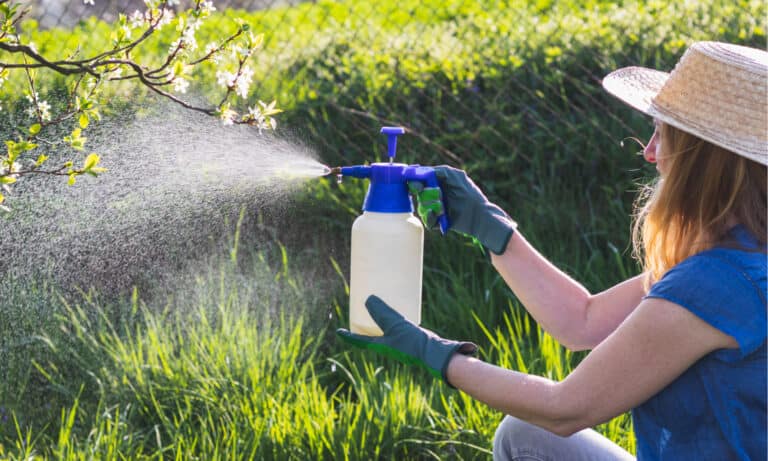

Indoor spraying is quite different from outdoor spraying because it happens inside a closed environment with limited airflow and many nearby surfaces. In homes and apartments, spray droplets can easily reach furniture, floors, walls, or people if the application is not controlled properly. Common indoor spraying activities include watering indoor plants, applying fertilizers or foliar feeds, managing plant pests, and disinfecting surfaces. Each task requires accuracy, proper control, and careful handling.
An Overview Of Garden Sprayers Suitable For Indoor Use
| Product | Title | Features | Explore |
|---|---|---|---|
 | Chapin 10031 Handheld Pump Sprayer |
| Check Price |
 | VIVOSUN 27oz Brass Nozzle Pump Sprayer |
| Check Price |
 | HIFAY ES2-PRO Electric Sprayer Spray |
| Check Price |
 | Kitsch Continuous Spray Bottle for Plants |
| Check Price |
An Overview of Garden Sprayers Not Suitable For Indoor
| Product | Title | Features | Explore |
|---|---|---|---|
 | FIELD KING 190328 Backpack Sprayer |
| Check Price |
 | Happybuy Stainless Steel High Pressure Pump Sprayer |
| Check Price |
 | VEVOR Backpack Gas Powered Fogger Sprayer |
| Check Price
|
 | FANHAO Garden Hose Nozzle Sprayer |
| Check Price |
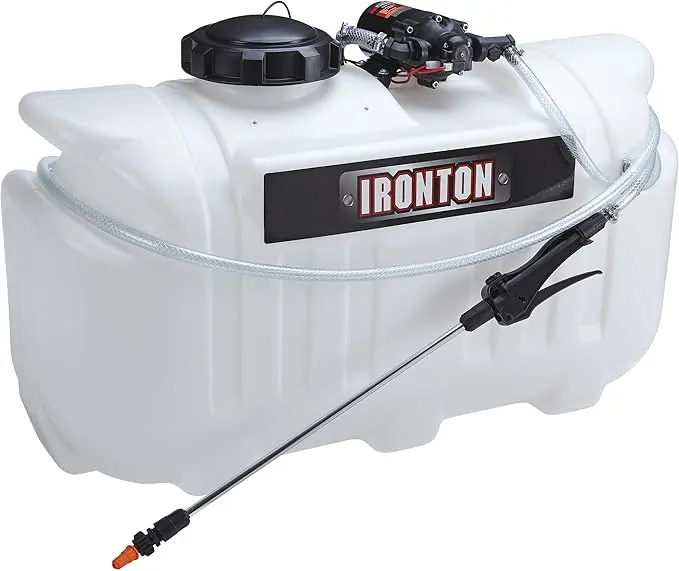 | Ironton ATV Spot Sprayer |
| Check Price |
Choosing the right sprayer for indoor use is essential for maintaining safety and achieving accurate results. According to the U.S. EPA, around 75% of homes in the United States use pesticides indoors every year, and nearly 80% of human exposure to pesticides occurs inside homes. This shows why selecting the correct equipment and following proper precautions is important when spraying indoors. A suitable indoor sprayer helps apply liquids accurately, such as on plant leaves, while reducing unnecessary drift, mess, and chemical exposure.
Key Considerations Before Using a Garden Sprayer Indoors
Before using any garden sprayer inside your home, it is important to understand that indoor conditions are very different from outdoor environments. Indoor areas usually have limited air movement, less space, and no natural drainage, which increases the risk of affecting furniture, floors, people, and pets. A sprayer that performs well outside may create problems indoors, such as excessive spray, leakage, or unwanted chemical spread. Considering a few important factors before use helps achieve accurate application, prevents damage, and makes indoor spraying safer and more efficient.
a. Spray pressure and mist control: Indoor sprayers should provide low to medium pressure for better control. High-pressure airless sprayers (such as paint sprayers operating between 1,500–3,000 psi) are not suitable for indoor applications because they break liquids into extremely fine droplets that can easily spread through the air. Most garden sprayers used indoors usually operate within the range of 20–60 psi.
For example, many fertilizers and pesticides provide effective coverage at around 40–60 psi. Lower pressure allows gentle spraying on plants and surfaces while reducing splashing and waste. Choose a sprayer with an adjustable nozzle so you can change between a fine mist for sensitive leaves and a stronger stream for focused applications.
b. Chemical compatibility and safety: Always confirm that the sprayer tank, seals, and internal parts are suitable for the chemical you want to apply. Standard plastic sprayers usually work well with water-based fertilizers and insecticides, but stronger chemicals such as acids, oil-based pesticides, or bleach may damage normal plastic materials.
Growers explain that “stronger chemicals (acids, oil-based sprays and solvents) require sprayers constructed of chemical-resistant materials such as heavy-duty polyethylene or stainless steel”. Avoid using one sprayer for chemicals that are not compatible because leftover residues may react with new solutions or damage the equipment. For indoor pest management, always use pesticides that are specifically labeled for indoor applications. Products marked as “outdoor use only” should never be sprayed inside.
c. Overspray, leaks, and runoff risk: Indoor spraying requires extra care because overspray can reach unwanted surfaces and create slippery or harmful areas. Spray slowly and carefully target the required location. Using a fine mist nozzle or adjustable spray pattern helps deliver liquid exactly where needed, whether on plants or surfaces. Regularly inspect seals, gaskets, and connections to prevent leaks.
As Chapin (a sprayer manufacturer) explains, keeping unused solutions inside a sprayer can lead to clogging and chemical buildup, which are common reasons for leaks and equipment failure. To prevent indoor accidents, test a new sprayer outdoors or on a sheet of paper before using it inside. Also, pump only according to the manufacturer’s recommended pressure because many sprayers include a pressure-relief valve to prevent excessive pressure buildup.
d. Noise level and ease of use: Quiet equipment makes indoor spraying more comfortable. Manual hand-pump sprayers and electric/battery-powered sprayers operate with very little noise. In comparison, gas-powered or large motorized backpack sprayers create loud sounds and fumes, making them unsuitable for indoor environments. For indoor applications, a rechargeable electric sprayer or small pump sprayer is usually the better choice. Comfort is also important, so select a model with an ergonomic handle or comfortable strap that allows easy movement around indoor plants.
e. Storage size and portability: Indoor storage space is often limited, so sprayer size matters. Small handheld bottles or pump sprayers with 1–2 liter tanks are easy to store on shelves or cabinets. If you have many plants, a slightly larger sprayer (2–3 gallons) may be useful, but carrying a 5-gallon backpack sprayer indoors is usually unnecessary because it requires more storage space. Growcycle recommends selecting the sprayer size according to the job: “For small jobs and small areas, a hand sprayer (up to 1–2 liters) is ideal. It is light, packable and doesn’t cost much”. Always consider where you will store the sprayer after use and choose a size that fits your available space.
Types of Garden Sprayers Suitable for Indoor Use
Not every garden sprayer type is suitable for indoor applications. Indoor environments require equipment that provides better control, lower pressure, and reduced chances of mess. The ideal indoor sprayer should apply liquids gently, minimize overspray, and remain easy to handle in compact areas. The following types of garden sprayers are commonly considered effective and safe for indoor use, with each type designed for specific tasks such as houseplant care, pest management, cleaning, and fertilizer application.
1. Handheld Trigger Sprayers
These are the traditional spray bottles, but they are usually stronger and more durable than regular cosmetic spray bottles. They contain a plastic or glass container with a manually operated trigger mechanism that pulls liquid upward and releases it as a fine mist or controlled spray. Many models include adjustable nozzles that allow switching between mist and stream settings. Their common capacity ranges from 0.5–1.5 liters (approximately 16–50 oz).
Best indoor uses: Handheld sprayers are perfect for small indoor tasks such as misting individual houseplants, applying mild cleaning solutions to windows, or treating pests on a limited number of leaves. They provide excellent control and help prevent unnecessary soaking of surrounding areas. Trigger sprayers are also useful for foliar feeding because they produce a fine spray that allows plants to absorb nutrients through their leaves.
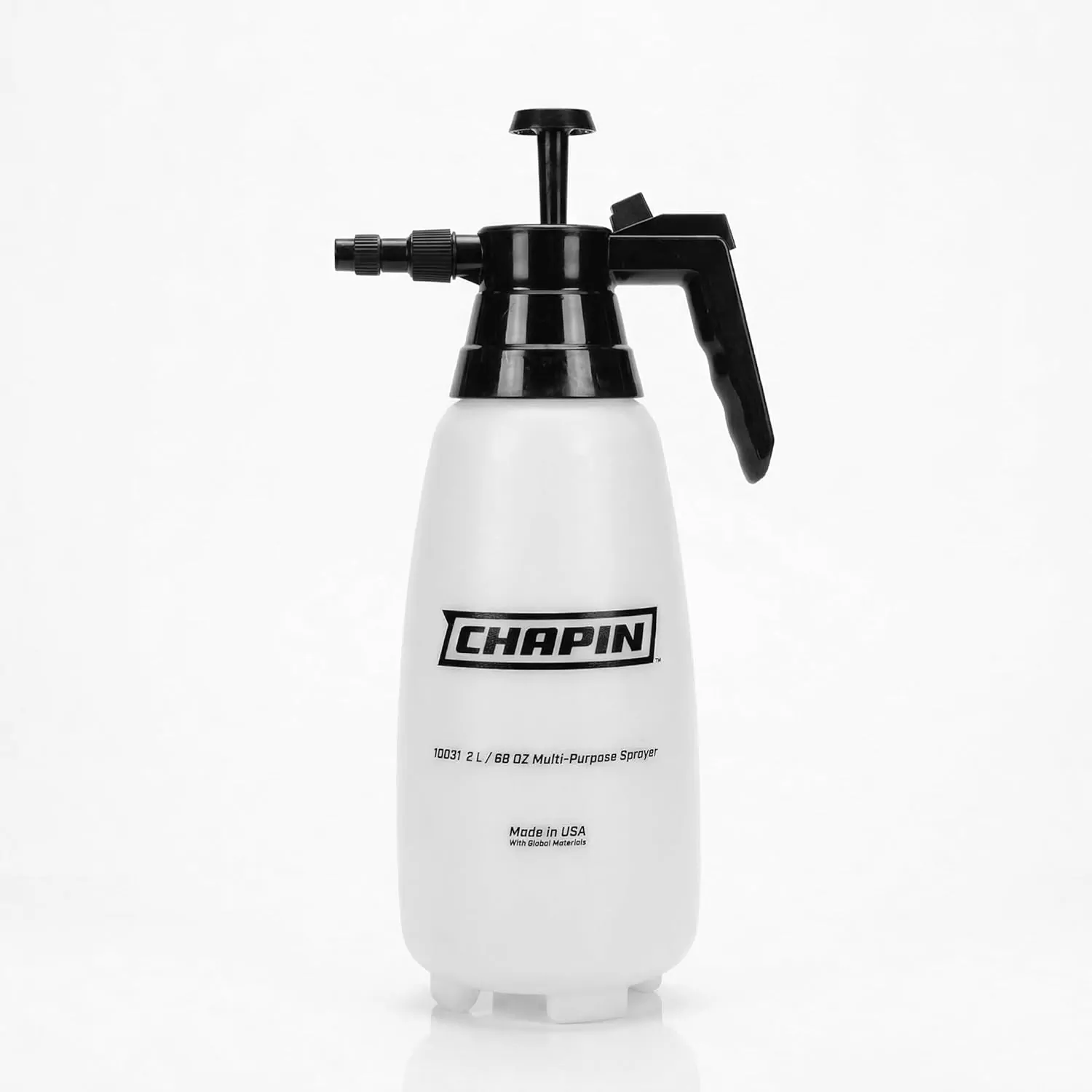
Chapin 10031 Handheld Pump Sprayer
The Chapin 10031 Handheld Pump Sprayer 68oz comes with an adjustable brass nozzle, translucent tank, and built-in filter system for smooth and reliable spraying. This Chapin 10031 Handheld Pump Sprayer 68oz provides an ergonomic design, thumb-trigger lock, and steady pressure control, making it suitable for fertilizers, weed treatments, and pest control tasks. From my experience, the Chapin 10031 Handheld Pump Sprayer 68oz performed well after a few small adjustments, offering comfortable handling, accurate spraying, and dependable performance for small gardening activities.
expert start
What is it & Its Features
The Chapin 10031 Handheld Pump Sprayer 68oz is a manual handheld sprayer designed for applying liquids such as fertilizers, pesticides, herbicides, and cleaning solutions. It features a translucent plastic tank that allows you to easily monitor the remaining liquid level during use. The adjustable brass nozzle is one of its main features, allowing users to change the spray pattern from a fine mist to a direct stream based on the application requirement. It also includes an in-tank filter that helps reduce clogging problems and maintains consistent spray performance. The ergonomic design and thumb-trigger lock improve comfort during extended use by reducing hand pressure. Its wide-mouth opening makes filling and cleaning easier, making it a convenient option for regular gardening activities.
Why It Matters
The Chapin 10031 Handheld Pump Sprayer 68oz is useful because it makes common gardening tasks more convenient, controlled, and efficient. Whether you are applying plant nutrients, managing weeds, or using pest control solutions, a dependable sprayer helps complete the work with less effort and better accuracy. The adjustable nozzle provides flexibility by allowing gentle misting for sensitive plants and stronger spraying for specific target areas. The built-in filter also helps prevent interruptions caused by blockages. For home gardeners with small lawns, indoor plants, balconies, or limited gardening spaces, this sprayer provides a practical and budget-friendly solution that improves daily plant care.
My Set-Up And My Experience
I used the Chapin 10031 Handheld Pump Sprayer 68oz for different gardening activities, including watering plants, applying liquid fertilizers, and managing minor pest problems. The setup process was simple, and the wide-mouth tank made filling the sprayer quick and convenient. During the first use, I noticed a small leakage problem, but after tightening the valves and adding a small amount of lubricant to the pump mechanism, the issue was resolved. After this adjustment, the sprayer operated smoothly. The translucent tank was especially helpful because it allowed me to check the remaining liquid without opening the container. I also found the thumb-trigger lock very useful because it made longer spraying sessions more comfortable and reduced hand tiredness.
Performance
The Chapin 10031 Handheld Pump Sprayer 68oz provides reliable performance for small-scale gardening tasks. It requires a few initial pumps to create pressure, but once pressurized, it maintains a steady spray and provides even liquid distribution. The adjustable nozzle performs effectively, allowing quick switching between a fine mist for delicate plants and a stronger stream for weeds or cleaning purposes. The anti-clog filter helps maintain smooth operation by reducing spray interruptions. However, the overall construction quality is average, and some users may need to make minor adjustments before achieving the best performance. Considering its price range, the sprayer delivers satisfactory results and works well for everyday household gardening needs.
Practical Tips
- Check and tighten all valves before the first use to prevent leakage
- Use a small amount of lubricant on the pump mechanism for smoother movement
- Wash and clean the tank after applying chemicals to increase product life
- Avoid filling the tank beyond its recommended level to maintain proper pressure
- Pump the handle around 5–6 times initially to achieve working pressure
expert end
pro start
| Pros | Cons |
|---|---|
| ✔️ Lightweight design and easy transportation | ❌ May need valve tightening to prevent minor leaks |
| ✔️ Adjustable nozzle supports different spraying requirements | ❌ Pump system may need small adjustments initially |
| ✔️ Transparent tank makes liquid level checking simple | ❌ Overall build quality is average |
| ✔️ Comfortable thumb-trigger lock improves usability | ❌ Not suitable for covering large garden areas |
| ✔️ Works well for small gardens and indoor applications | ❌ Some units may experience quality control problems |
pro end
2. Pump Sprayers (Small-Capacity)
These are medium-sized bottle sprayers that come with a hand pump system (usually a screw-on top with a pumping handle) and a spray wand or nozzle. Their capacity usually ranges from 1 gallon (≈3.8 L) to around 0.5 gallon (≈2 L). You create pressure inside the tank by pumping the handle, then press the trigger on the wand to release the spray. Many models include adjustable spray nozzles that can change the output from a soft mist to a focused stream.
Best indoor uses: Small pump sprayers are a great option when you have several plants or need extra spraying distance. For example, applying diluted insecticidal soap to multiple houseplants or spraying disinfectant on kitchen areas is much easier with a 1-gallon sprayer compared with a small spray bottle. They also hold enough liquid to treat several indoor plants without needing frequent refilling.
VIVOSUN 27oz Brass Nozzle Pump Sprayer
Compact 27oz tank, adjustable brass nozzle, pressure release valve, and transparent bottle markings provide accurate and controlled spraying. This multi-purpose sprayer can be used for watering plants, applying fertilizer, controlling pests, and cleaning tasks. Its durable construction, comfortable handle, and stable pressure delivery make it convenient for daily use. In my experience, it was simple to operate, lightweight, provided uniform spraying, and worked effectively for indoor plants and small weed control tasks.
expert start
What Is It & Its Features
The VIVOSUN 27oz Pump Sprayer is a handheld pressure sprayer that works manually and is designed for gardening and light cleaning purposes. It comes with a 0.2-gallon tank, which makes it suitable for indoor plants, small gardens, and targeted spraying jobs. A major feature of this sprayer is its adjustable brass nozzle, which allows users to change between a fine mist and a direct spray pattern. This flexibility makes it useful for different plant care requirements.
The sprayer features a transparent bottle with measurement markings, allowing you to check the liquid level easily and prepare solutions with accurate amounts. It also has an ergonomic locking handle that helps reduce hand strain during use and a pressure release valve for safer operation. The reinforced bottom design increases durability and keeps the bottle stable when placed on surfaces. It can also handle warm water temperatures up to 131°F, providing more flexibility for different gardening mixtures.
Why It Matters
The VIVOSUN 27oz Pump Sprayer is useful because proper spraying plays an important role in maintaining healthy plants. Instead of applying water or solutions directly, which may damage sensitive plants, this sprayer helps deliver an even and controlled amount. It is especially helpful for delicate flowers, seedlings, and indoor plants that need careful treatment. It also reduces unnecessary waste because you can spray only the required areas instead of using extra water or fertilizer.
Another important benefit is its versatile use. You can use this sprayer for watering plants, applying fertilizers, spraying pesticides, and cleaning gardening tools or surfaces. This makes it a practical and affordable tool for many gardeners. Its small size is also ideal for indoor gardening because larger sprayers can be difficult to handle in limited spaces. Overall, it helps improve efficiency, saves effort, and supports better plant maintenance.
My Set-Up And My Experience
In my gardening setup, I mainly use the VIVOSUN 27oz Pump Sprayer for indoor plants and a small backyard garden area. Filling the tank is fast and simple, and the built-in measurement markings help me prepare solutions accurately without guessing. I mostly use it for watering plants, applying neem oil solutions, and managing small weed problems. One feature I liked most is that it can be operated with one hand, allowing me to move leaves or adjust plants with the other hand while spraying.
The sprayer feels comfortable in the hand and remains lightweight even during extended use. Based on my experience, it worked smoothly from the first use and did not require any difficult installation or adjustment. Cleaning the bottle after use is also easy, which helps maintain its performance and extends its working life.
Performance
The VIVOSUN 27oz Pump Sprayer delivers strong performance considering its compact size. It reaches working pressure quickly after a few pumps and produces a steady spray output. The adjustable nozzle performs well and allows easy switching between a gentle mist for sensitive plants and a stronger stream for weeds or cleaning purposes. The spray coverage remains consistent, helping distribute liquids evenly across plant leaves without excessive moisture.
I also noticed that the sprayer can maintain pressure for a good period, reducing the need for repeated pumping. The overall construction feels durable, especially the brass nozzle and stable bottle base. Although it may produce a minor creaking noise during operation, this does not affect its functionality. Overall, it is a dependable option for regular gardening activities.
Practical Tips
- Clean and rinse the sprayer after applying fertilizers or chemicals
- Avoid filling the tank completely; leave some empty space for pressure formation
- Select mist mode when spraying indoor plants and delicate leaves
- Use direct spray mode for weeds and stronger cleaning applications
- Keep the sprayer stored in a dry location to improve durability
expert end
pro start
| Pros | Cons |
|---|---|
| ✔️ Lightweight design and easy portability | ❌ Small tank capacity is not ideal for large garden areas |
| ✔️ Adjustable brass nozzle provides different spray options | ❌ May produce a slight creaking sound while spraying |
| ✔️ Transparent bottle with measurement markings for accurate mixing | ❌ Requires refilling more often during larger spraying jobs |
| ✔️ Reliable pressure and consistent spray performance | ❌ Does not include a long hose for greater spraying distance |
| ✔️ Suitable for multiple gardening and cleaning applications | ❌ Plastic construction may feel less premium to some users |
pro end
3. Battery-Powered or Electric Sprayers (Indoor-Safe Models)
These sprayers use a rechargeable battery or an electric motor connected to power to create pressure, so you do not need to pump manually. They are usually designed as compact handheld devices or small backpack-style sprayers. Many models are made for plant care and include features such as fine mist settings and adjustable spray nozzles.
Best indoor uses: Battery-powered sprayers are most helpful for people who maintain larger indoor plant collections or regularly apply treatments, such as misting multiple plant trays or disinfecting indoor areas. For only a few plants, they may provide more power than needed. However, they are a convenient choice for users who want effortless spraying because they work with a simple button press instead of repeated hand pumping.
Indoor-friendly electric sprayers should include low-pressure settings and fine spray nozzles to reduce unwanted spray drift. Many models allow users to adjust the spray pattern between mist and stream and include continuous spray buttons for easier operation. A good electric sprayer should also have a leak-resistant design and work safely with common gardening solutions. For example, the top-rated battery sprayer (the HiFay ES-2 Pro) comes with an adjustable nozzle and can spray from different angles, making it easier to water or treat tall indoor plants. It can hold up to half a gallon of liquid and is designed to work with fertilizers and pesticides without frequent clogging.
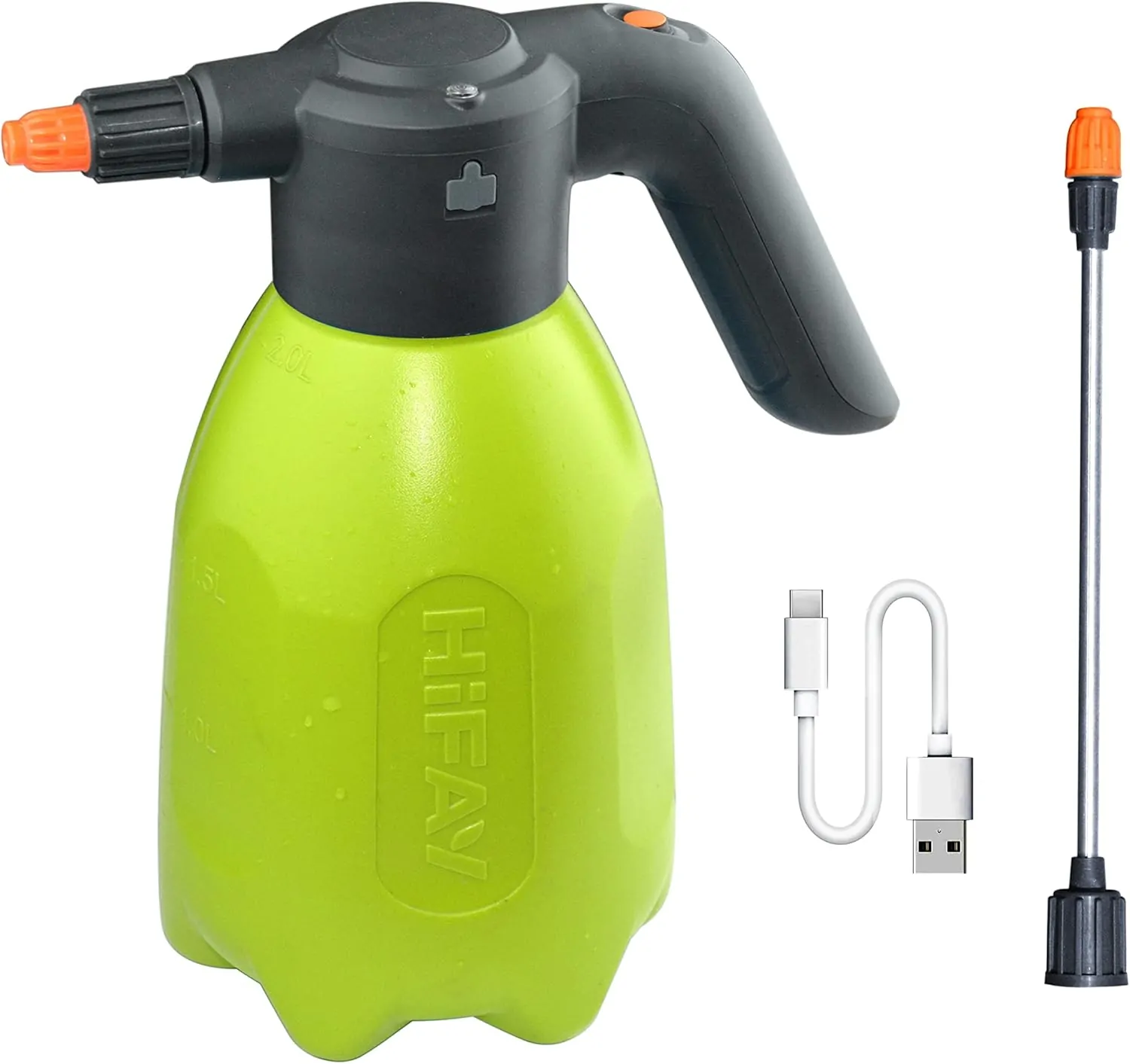
HIFAY ES2-PRO Electric Sprayer Spray
Electric one-button spraying system with adjustable nozzle, 2L tank, strong HDPE body, and rechargeable battery provide smooth and efficient spraying performance. It offers consistent spray patterns ranging from fine mist to stream, along with a comfortable handle, leak-resistant construction, and long battery runtime for regular plant care. I found it simple to operate, reduced hand tiredness, saved time, and worked very well for watering and misting plants.
expert start
What Is It & Its Features
The HIFAY ES2-PRO Electric Spray Bottle is designed to make watering and applying plant solutions faster and more convenient. It features a durable HDPE bottle and polypropylene handle, providing strength and reliable performance when used with fertilizers, insecticides, or disinfectants. The adjustable nozzle allows different spray patterns, including a gentle mist for sensitive plants and a stronger stream for soil watering.
Its automatic electric spray system removes the need for repeated manual pumping, helping reduce hand fatigue during longer tasks. The Type-C rechargeable battery provides extended working time, while the transparent side strip allows users to easily check the remaining liquid level. The ergonomic handle improves comfort, even when the tank is filled completely. This combination of features makes it a practical and efficient sprayer for gardeners of different experience levels.
Why It Matters
The HIFAY ES2-PRO Electric Spray Bottle is important because it saves time and reduces effort while allowing accurate plant care. Traditional hand sprayers require continuous pumping, which can cause hand tiredness and make spraying many plants a difficult task. With this electric sprayer, you can get continuous spraying by simply pressing a button.
Its adjustable spray patterns make it suitable for different gardening needs. The fine mist setting helps protect delicate indoor plants, while the stronger spray option allows targeted watering and soil applications. The long-lasting battery reduces interruptions during use, and the leak-resistant design helps prevent unwanted spills. For gardeners who want an easier way to maintain indoor or outdoor plants, this sprayer provides better comfort and efficiency.
My Setup And My Experience
In my gardening setup, I mainly used the HIFAY ES2-PRO Electric Spray Bottle for indoor plants and outdoor flowering plants. I also tested it with mild fertilizer solutions and disinfectants for cleaning gardening tools. The extended spray wand made it easier to reach tall plants and areas that were difficult to access.
The sprayer becomes slightly heavier when the tank is completely filled, but the ergonomic handle makes it comfortable to manage. I liked that after the first full charge, it continued working for multiple uses without needing frequent recharging. Compared with manual sprayers, this electric model allowed me to treat several plants quickly without causing hand strain. The wide bottle opening also made cleaning easier, which is very important after using fertilizers or pesticides.
Performance
The HIFAY ES2-PRO Electric Spray Bottle provides excellent performance for regular gardening needs. The spray output is smooth and consistent, which helps with proper watering and fertilizer application. Changing between mist and stream settings is quick and simple, and the pressure level is suitable for most plant care tasks.
Although it is not designed for heavy-duty pressure cleaning, it performs very well for watering plants, misting, and applying gardening solutions. The long battery life supports multiple spraying sessions without frequent charging, and the sprayer distributes liquids evenly throughout use. Its durable design and comfortable handling make it a reliable choice for both indoor and outdoor gardening.
Practical Tips
- Charge the battery completely before the first use to achieve better performance
- Clean the nozzle after applying fertilizers or chemicals to avoid blockage
- Select the fine mist option for sensitive indoor plants
- Avoid using thick liquids that may affect smooth spraying
- Store the sprayer with some battery charge to help maintain battery performance
expert end
pro start
| Pros | Cons |
|---|---|
| ✔️ Automatic one-button spraying helps reduce hand fatigue | ❌ Feels slightly heavy when completely filled |
| ✔️ Adjustable nozzle supports both mist and stream spraying | ❌ Not designed for high-pressure cleaning work |
| ✔️ Rechargeable battery provides long working time | ❌ Charger is not included |
| ✔️ Ergonomic handle makes operation more comfortable | ❌ Tank capacity may not be enough for large gardens |
| ✔️ 2L tank size works well for indoor plants and small gardens | ❌ Requires proper cleaning after using chemicals |
pro end
4. Continuous Spray Bottles
These bottles are designed to provide a steady spray as long as you keep pressing the trigger or button, unlike traditional sprayers that release only one short spray each time. Some models are manual, where you pump first to create pressure and then use a button or lock to continue spraying, while others use an electric push-button system. The main feature of these sprayers is their continuous mist output instead of a single spray with every trigger press.
Best indoor uses: Continuous spray bottles are especially useful when you need to mist many plants or cover a larger area quickly. For example, watering a collection of ferns, caring for multiple houseplants, or cleaning several windows becomes easier because the sprayer keeps working without repeated pumping. They are also helpful for spraying the lower sides of leaves, such as when treating aphids, because you do not need to keep squeezing the trigger again and again.
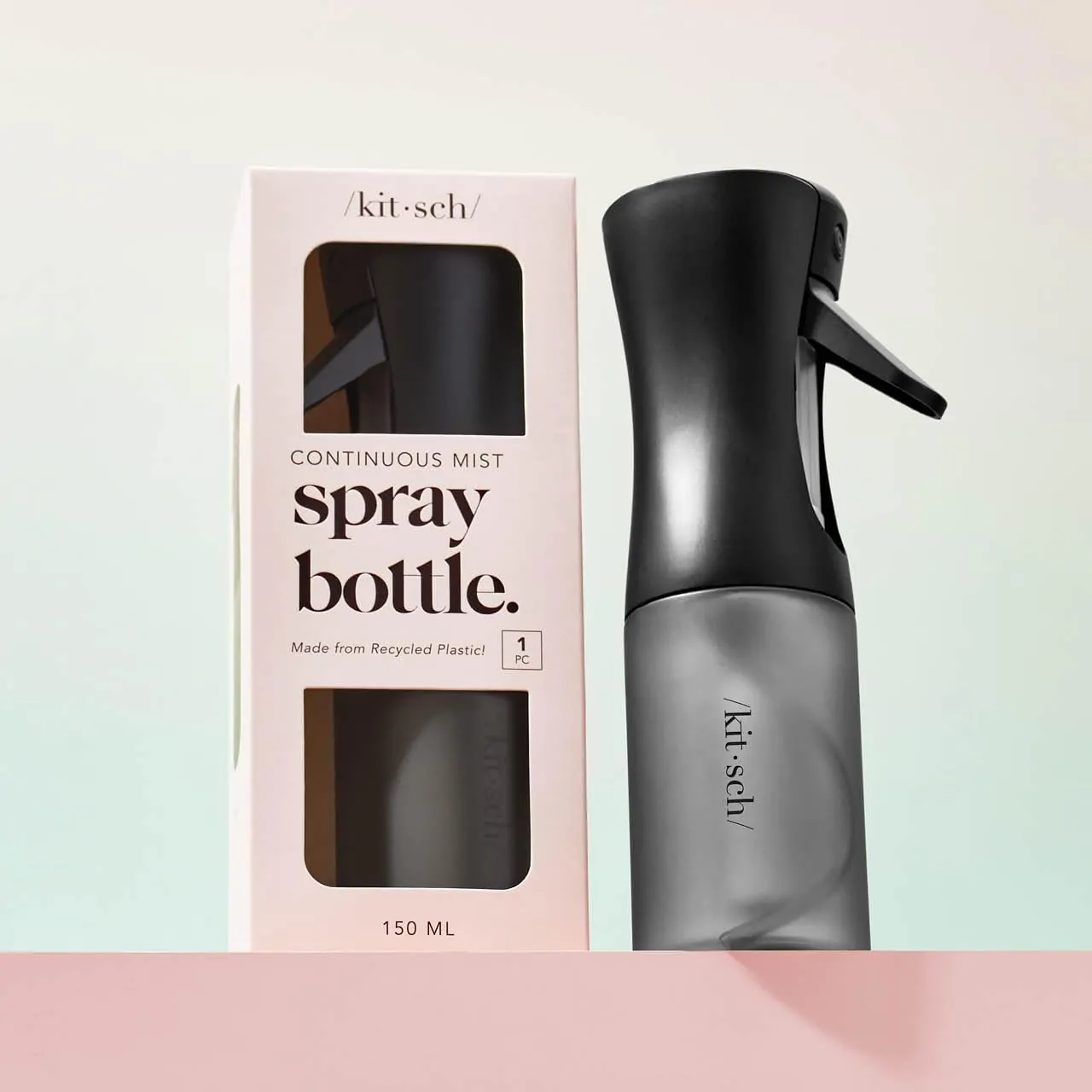
Kitsch Continuous Spray Bottle for Plants
The Kitsch Continuous Spray Bottle creates a smooth and consistent mist that is gentle enough for sensitive plants and delicate leaves. Its lightweight and refillable design makes it convenient for everyday plant care. It works best with water and provides even moisture distribution for seedlings, indoor plants, and small garden spaces. From my experience, it is comfortable to use, sprays evenly, reduces water waste, and makes regular plant maintenance quicker and easier.
expert start
What It Is & Its Features
The Kitsch Continuous Spray Bottle for Gardening is a practical misting tool made with strong recycled plastic. It uses a continuous spray system that produces a soft and even mist, making it suitable for small plants, succulents, seedlings, and indoor flowers. The trigger mechanism is smooth and requires very little effort, which makes it comfortable to use during longer gardening sessions. With a 150ml capacity, this bottle is small, portable, and easy to carry around balconies, indoor gardens, or small outdoor areas. It is mainly designed for water or light liquid solutions, helping plants receive gentle moisture without excessive watering.
Why It Matters
A gentle mist is important for many types of plants, especially young seedlings and delicate indoor flowers, because strong watering can damage leaves, disturb soil, or affect plant growth. The Kitsch Continuous Spray Bottle for Gardening helps prevent these issues by delivering a controlled and balanced mist. It makes plant care cleaner, simpler, and more effective. The compact body and comfortable design allow gardeners to spray regularly without experiencing hand strain. For people who prefer accurate and convenient plant watering, this bottle is a useful gardening accessory.
My Set-Up And My Experience
I use the Kitsch Continuous Spray Bottle for Gardening to care for my indoor plants and small herb garden. I usually fill it with clean water and apply a light mist to my plants every day. The fine spray covers leaves and soil evenly, helping maintain proper moisture levels while reducing the risk of overwatering. I also use it when watering newly planted seeds because the gentle mist keeps them moist without moving them from their place. The bottle feels strong and comfortable in my hand, and the trigger operates smoothly. After repeated daily use, it continues to provide consistent spraying without leaking or blocking.
Performance
The Kitsch Continuous Spray Bottle for Gardening offers excellent performance for daily plant care. It produces a soft and continuous mist that covers plants effectively with minimal effort. Even with frequent use, the trigger remains easy to press and does not create discomfort. The fine mist is suitable for delicate seedlings and indoor plants because it provides moisture without causing dripping or excessive water buildup. I have also tested it with light fertilizer mixtures, and it worked well without nozzle problems. Overall, it provides reliable performance and is a convenient choice for regular gardening tasks.
Practical Tips
- Use clean or distilled water to achieve the best mist quality.
- Clean the nozzle frequently to avoid spray blockage.
- Keep the bottle around 6–12 inches away from plants for better coverage.
- Refill when needed because the 150ml size is suitable for small and medium plant care.
- Avoid using thick fertilizers or heavy solutions that can block the spray system.
expert end
pro start
| Pros | Cons |
|---|---|
| ✔️ Creates a fine mist that is gentle on delicate plants | ❌ Small tank size requires more frequent refilling |
| ✔️ Continuous spraying helps reduce hand tiredness | ❌ Not designed for thick liquids or concentrated fertilizers |
| ✔️ Lightweight design makes it easy to use | ❌ Heavy daily use may reduce its lifespan |
| ✔️ Made with recycled plastic for a more eco-friendly design | ❌ Not suitable for covering large garden spaces |
| ✔️ Compact size makes it easy to carry and store | ❌ Works mainly with water and light solutions |
pro end
Sprayers Not Recommended for Indoor Use
Any sprayer that is described as “for large areas”, “backpack”, or “commercial” is generally better suited for outdoor work. These models are designed for bigger spraying tasks and are usually too large and powerful for indoor environments. As experts explain, backpack sprayers have shoulder straps and much larger tanks compared with handheld sprayers, showing that they are built for heavy-duty applications rather than small indoor spaces. Although some larger sprayers can technically be used carefully indoors, the following types are usually not recommended:
1. Backpack sprayers: These large-capacity sprayers, commonly holding 3–6 gallons, are designed for extensive outdoor spraying jobs. They become heavy when filled, require carrying on your back, and may use manual pumping or battery-powered systems. Experts note that “larger models, such as backpack and wheeled sprayers, usually fall within the 3- to 6-gallon range”. For normal indoor plant care, this amount of liquid is unnecessary and carrying several gallons of pesticide inside a home can be difficult and unsafe. Backpack sprayers are better used for outdoor areas such as fields, property borders, gardens, and large landscapes.
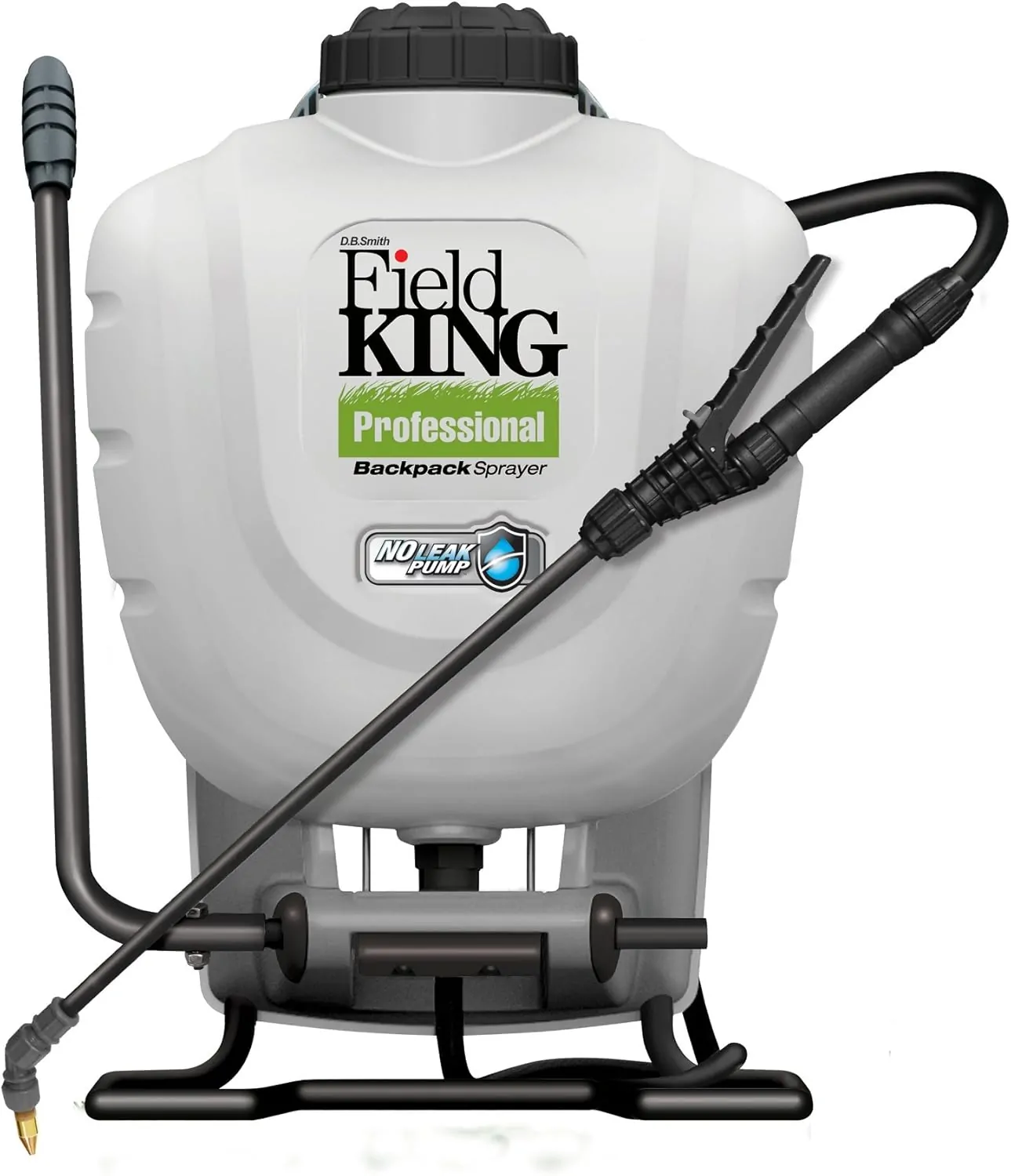
FIELD KING 190328 Backpack Sprayer
The FIELD KING 190328 Backpack Sprayer provides powerful spraying performance with up to 150 PSI pressure, an internal leak-resistant pump, and six different nozzles for flexible application. Its built-in paddles and Viton seals help maintain proper chemical mixing, improve durability, and allow easy maintenance without requiring special tools. Based on my experience using this sprayer on a 20-acre property, it made pasture and boundary spraying faster, easier, and more efficient while providing excellent coverage with less chemical waste.
expert start
What It Is & Its Features
The FIELD KING 190328 is a manual backpack sprayer that combines piston and diaphragm pump technology to deliver reliable spraying performance. Its 4-gallon tank provides enough capacity to cover large areas without needing frequent refills. The internal pump structure helps prevent leaks and keeps chemicals away from the user’s back during operation. An internal agitator with built-in paddles keeps powders, liquids, and water-soluble mixtures evenly combined for consistent spraying.
This sprayer includes a high-quality brass shut-off valve with a locking feature that helps reduce hand fatigue during long spraying sessions. It also comes with an in-line removable filter that helps prevent nozzle blockage and six interchangeable nozzles for different spray patterns, including adjustable brass, wide fan, narrow fan, high-volume wide fan, jet stream, and foaming options. The tank features a wide opening with a filtration basket for easy filling, a pressure chamber for steady spray output, and a pump design that can be serviced quickly without tools. Comfortable padded shoulder straps, a waist belt, and chest strap provide better support when carrying the sprayer while it is full.
Why It Matters
For people managing large properties, including farms, pastures, barns, and wooded edges, the FIELD KING 190328 makes chemical application more efficient and controlled. Its 150 PSI pressure allows users to spray difficult areas such as tall weeds, bushes, and hard-to-reach plants. The internal mixing paddles keep the solution properly blended, ensuring each spray application remains consistent. Compared with small handheld sprayers that require frequent pumping and refilling, this backpack sprayer reduces physical effort, improves coverage, and helps use chemicals more efficiently, especially when applying costly herbicides or weed-control products.
The strong construction of this sprayer supports long-term use, while features like serviceable pumps and durable Viton seals help reduce maintenance problems and repair needs. Overall, it is a reliable investment for users who need powerful, accurate, and dependable spraying performance for outdoor applications.
My Set-Up and My Experience
I have used several different sprayers before, including models ranging from 1 to 3 gallons, but they became difficult to manage when covering larger areas. My property includes three pastures covering 20 acres, along with 26 acres of wooded land, a 300 ft barn lane, and a 400 ft driveway. Maintaining these areas usually requires around 6 gallons of spray solution.
The FIELD KING 190328 Backpack Sprayer performed very well from the first use. The wide tank opening made filling simple, and the built-in screen helped prevent unwanted debris from entering the tank. I mixed chemicals directly in the field and sprayed around pastures and barn lanes without experiencing leaks. The tank required only around 5–6 pumps to build pressure, and the wand easily reached heights of about 10 ft with an additional 3 ft spray distance. Compared with my older sprayers, I noticed better chemical efficiency because of the improved coverage, while the internal paddles kept the mixture evenly prepared throughout spraying.
Performance
The FIELD KING 190328 provides excellent performance in terms of spray consistency, coverage, and user comfort. Once carried on the back, it maintains steady pressure with occasional pumping and can produce different spray patterns, from a fine mist to a strong jet stream. The brass shut-off valve feels comfortable during operation, and the locking feature helps reduce hand strain during extended use.
In my experience, the 4-gallon tank size works well for medium to large spraying tasks, although a completely filled tank weighs close to 40 lbs, which may feel heavy for some users. I found that filling it halfway or placing it on a raised surface such as a potting bench made handling easier. The different nozzles allow quick changes between wide-area spraying for pastures and focused spraying for weeds, fence lines, and specific targets. Overall, this is a professional-quality backpack sprayer suitable for serious gardening, landscaping, and farm applications.
Practical Tips
- Clean the sprayer after every use to increase pump and seal durability.
- Apply Vaseline to O-rings to maintain smooth operation.
- Begin with a partially filled tank if the full weight is difficult to carry.
- Select the correct nozzle depending on the task: wide fan for larger areas and jet stream for tall weeds.
- Keep extra Viton seals available for quick replacement during field work.
expert end
pro start
| Pros | Cons |
|---|---|
| ✔️ Large 4-gallon tank covers bigger areas with fewer refills. | ❌ A full tank can become heavy and difficult to lift. |
| ✔️ Internal leak-resistant pump prevents chemicals from reaching your back. | ❌ Not the best choice for very tight spaces or dense vegetation. |
| ✔️ High pressure (150 PSI) helps reach tall weeds and difficult areas. | ❌ Manual pumping is needed to maintain pressure. |
| ✔️ Built-in paddles keep spray mixtures evenly combined. | ❌ Putting it on when fully loaded may require extra effort. |
| ✔️ Six interchangeable nozzles provide multiple spraying options. | ❌ New users may need time to learn nozzle and wand settings. |
pro end
2. High-pressure/commercial sprayers: Power washers, airless paint sprayers, and tractor-mounted sprayers should never be operated indoors. These machines work at extremely high pressure (thousands of psi), producing very fine aerosols that can spread like a mist or fog. In an enclosed area, this can cause unwanted chemical movement, poor spray control, and contamination of surfaces that were not intended to be sprayed.
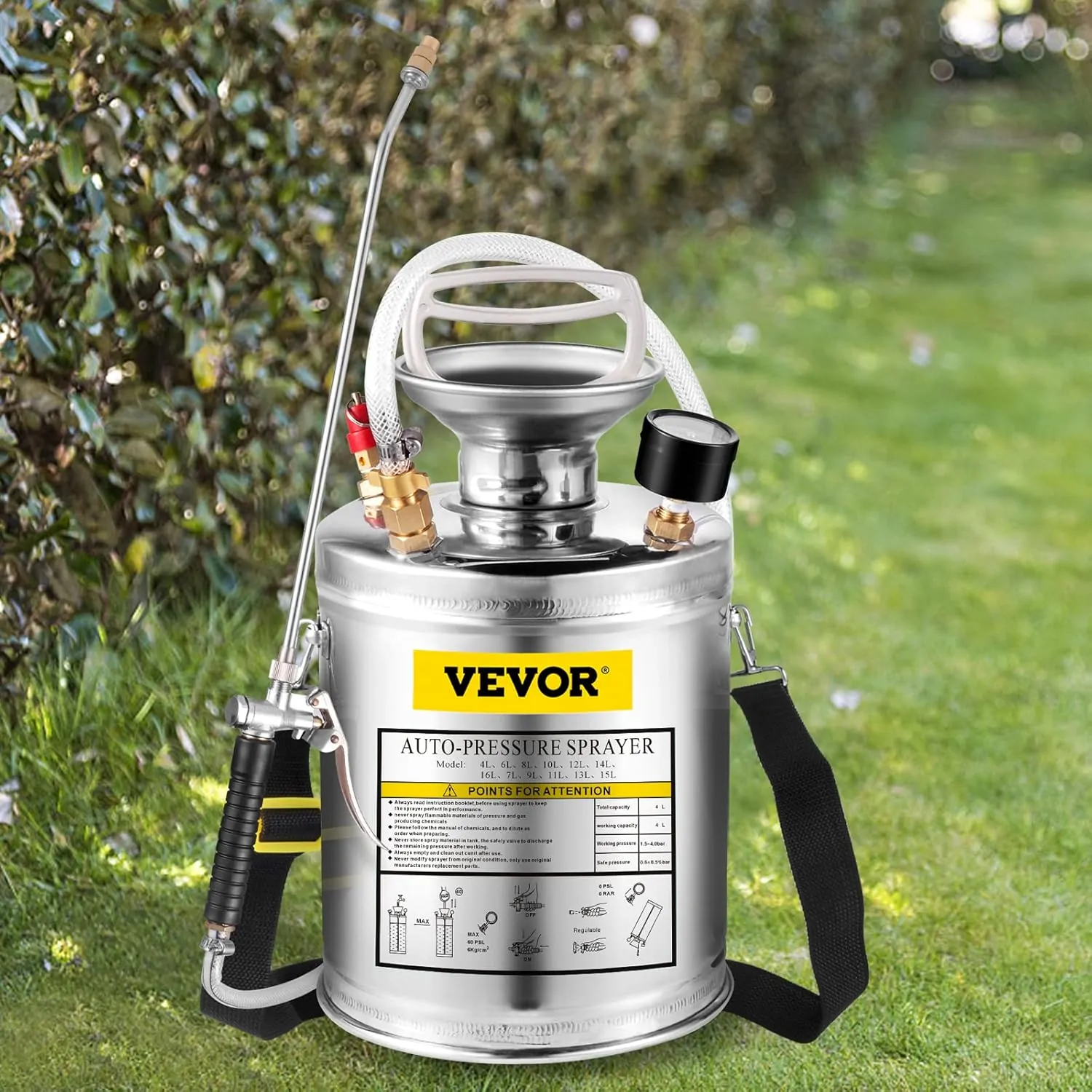
Happybuy Stainless Steel High Pressure Pump Sprayer
The Happybuy 1 Gallon Stainless Steel Pump Sprayer comes with a strong stainless steel body, adjustable brass nozzle, pressure gauge, and safety valve for controlled and secure spraying. It allows users to switch between a fine mist and direct spray according to their needs. With its portable design, 3-foot hose, and simple air pressure pumping system, it provides convenient operation. From my experience, it sprays evenly, works efficiently, feels dependable, and helps complete gardening tasks more quickly and easily.
expert start
What Is It & Its Features
The Happybuy 1 Gallon Stainless Steel Pump Sprayer is a manual 1-gallon sprayer built with rust-resistant stainless steel. This strong construction improves durability and helps prevent corrosion, making it suitable for water, liquid fertilizers, and many other garden solutions. It includes a 12-inch brass nozzle that can be adjusted from a gentle mist to a stronger direct stream. The sprayer also comes with a 3-foot reinforced hose, built-in pressure gauge, and safety valve to maintain stable and secure internal pressure.
The user-friendly handle makes air pumping quick and comfortable, while the bowl-shaped inlet design allows easier filling. It also includes an adjustable shoulder strap that improves portability while working around gardens or yards. This sprayer is simple to use and supports different tasks, including plant watering, disinfection, cleaning, and pet bathing.
Why It Matters
The Happybuy 1 Gallon Stainless Steel Pump Sprayer is valuable because it makes gardening work more accurate, convenient, and efficient. Compared with low-quality plastic sprayers, this stainless steel model can manage higher pressure levels and provides a more stable spray performance. The adjustable nozzle helps deliver precise watering or misting, which is especially useful for sensitive plants that may be harmed by strong water pressure.
The built-in pressure gauge helps prevent excessive pressure buildup, improving user safety during operation. Its multi-purpose design allows it to be used for different indoor and outdoor applications, not only gardening. A strong and reliable sprayer can reduce workload, save time, and support healthier plant growth.
My Set-Up & My Experience
In my gardening setup, the Happybuy 1 Gallon Stainless Steel Pump Sprayer has become an important tool for daily tasks. I mainly use it for watering vegetable plants, flower beds, applying liquid fertilizers, and managing pests. The stainless steel body feels strong and long-lasting, while the brass nozzle creates a fine mist that reaches different areas of my garden effectively.
The flexible hose provides enough movement without making spraying difficult, and the shoulder strap makes carrying more comfortable, especially when covering wider garden spaces. Filling and pressurizing the sprayer is simple, and the pressure gauge helps me use it with confidence. I also like that cleaning and maintenance are easy, allowing the sprayer to remain useful for a long time.
Performance
The Happybuy 1 Gallon Stainless Steel Pump Sprayer performs better than many standard sprayers I have used. Its 1-gallon capacity is enough for small to medium gardening jobs without frequent refilling. The pressure builds quickly and delivers a smooth, controlled spray that can be adjusted according to the task.
The brass nozzle provides both a soft mist and a stronger stream, making it suitable for different applications. Although the hose length is slightly limited, it performs well, and I improved the reach by replacing it with a braided metal hose. Overall, this sprayer handles pressure better than plastic models, remains leak-free, and feels strong during operation. The shoulder strap also allows easier hands-free movement between different garden areas.
Practical Tips
- Always check the pressure gauge before spraying to maintain safe operation.
- Adjust the nozzle properly to select between mist and direct spray.
- Avoid storing the sprayer in freezing conditions to protect internal parts.
- Clean the sprayer after every use to prevent chemical or residue buildup.
- Use the shoulder strap to improve comfort while moving around the garden.
expert end
pro start
| Pros | Cons |
|---|---|
| ✔️ Strong stainless steel construction with rust resistance for long-lasting use. | ❌ Hose length may feel short when working in larger garden areas. |
| ✔️ Adjustable brass nozzle provides both mist and direct spray options. | ❌ Rubber components may not handle highly acidic or corrosive solutions. |
| ✔️ Pressure gauge and safety valve improve secure operation. | ❌ Shoulder strap connection may need adjustment at the beginning. |
| ✔️ Comfortable handle makes filling and pumping easier. | ❌ Pump handle can be damaged if exposed to freezing temperatures. |
| ✔️ Portable design with adjustable shoulder strap. | ❌ Manual pumping may become tiring during long spraying sessions. |
pro end
3. Gas-powered sprayers: Any sprayer that uses a gasoline engine, including handheld foggers, releases carbon monoxide and harmful exhaust fumes. These machines are highly unsafe for indoor use because toxic emissions can build up quickly in enclosed areas. They are also loud during operation and are designed mainly for outdoor applications.
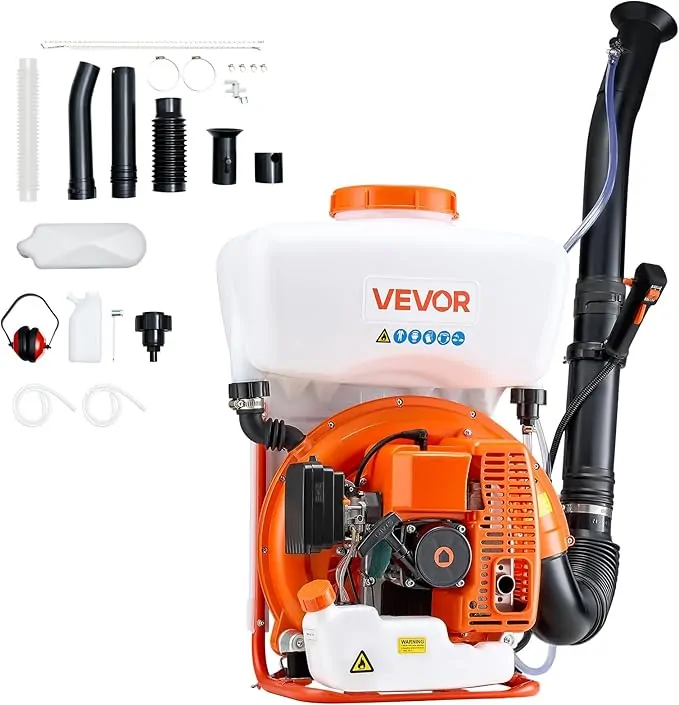
VEVOR Backpack Gas Powered Fogger Sprayer
The VEVOR Backpack Gas Powered Fogger Sprayer is equipped with a powerful 63CC 3HP engine that provides extended spraying distance, wide coverage, and adjustable nozzle control for efficient large-area applications. Its 4-gallon tank supports longer working sessions with fewer refills, while the durable metal construction and dual liquid and powder spraying system offer flexibility for different gardening needs. In my experience, it delivered strong performance, provided even coverage, and reduced refill frequency, although the weight became noticeable during longer spraying periods.
expert start
What Is It & Its Features
The VEVOR Backpack Fogger Sprayer is a gasoline-powered misting and dusting machine designed for agricultural and gardening applications. It is powered by a 63CC 3HP engine that provides strong spraying performance and extended reach. The spray distance can reach approximately 38 feet, making it useful for covering large gardens, trees, and tall plants.
It comes with a large 4-gallon tank, allowing users to continue working for longer periods without frequent refilling. The machine supports both liquid spraying and powder dusting, which makes it suitable for different tasks such as pest management, fertilizer application, and plant protection.
The design also focuses on user comfort. It includes padded shoulder straps and a ventilated back cushion that help reduce pressure during carrying. The metal spray tube provides strength and durability, while its leak-resistant design improves reliability during regular use.
Why It Matters
The VEVOR Backpack Fogger Sprayer is important because it helps save time and physical effort, especially when managing larger gardening areas. Instead of repeatedly using small manual sprayers, this powerful machine allows faster application with wider coverage.
Based on my experience, the strong engine provides better spray penetration and more uniform distribution across plants. This improves pest control efficiency and allows more effective treatment of large areas. The bigger tank capacity is also helpful because it reduces interruptions caused by frequent refilling.
Another useful feature is the ability to apply both liquids and powders. This versatility allows gardeners to handle different spraying requirements with one machine instead of purchasing multiple separate tools.
My Set-Up And My Experience
Setting up the VEVOR Backpack Fogger Sprayer was straightforward. The assembly process was simple, and the instructions were easy to understand. Starting the engine was also convenient and did not require excessive effort.
When I first used it in my garden, I noticed that the machine feels heavy, especially when the tank is completely filled. However, the padded straps helped distribute the weight more comfortably across my shoulders. I used it for plant spraying and insect control, and it performed effectively for both purposes.
During extended spraying work, I needed occasional breaks because of the weight, but the backpack design made handling easier. In my opinion, this machine is better suited for larger gardens, farms, or bigger outdoor areas rather than small home gardening tasks.
Performance
The performance of the VEVOR Backpack Fogger Sprayer is excellent for large-scale spraying work. The spray output is powerful and consistent, allowing quick coverage of wide areas. I tested it on plants, garden edges, and open spaces, and the mist distribution remained even throughout.
The adjustable nozzle is one of its most useful features because it provides control over spray intensity. I used a lighter mist for delicate plants and stronger coverage settings for areas requiring more treatment.
The powder application function also worked effectively. It distributed dry materials evenly without frequent blockage. The engine continued running smoothly during extended operation and maintained strong power without noticeable performance loss.
Practical Tips
- Adjust the shoulder straps correctly before use to reduce pressure on your back.
- Avoid filling the tank beyond the recommended level to maintain better balance.
- Clean the tank and spray system after every use to prevent blockages.
- Select the correct spray setting according to plant type and application needs.
- Take short breaks during long spraying periods to reduce fatigue.
expert end
pro start
| Pros | Cons |
|---|---|
| ✔️ Powerful engine provides strong and long-distance spraying. | ❌ Becomes heavy when the tank is filled completely. |
| ✔️ Large tank capacity reduces the need for repeated refilling. | ❌ Not ideal for small gardening tasks. |
| ✔️ Supports both liquid spraying and powder applications. | ❌ Long operation may cause back and shoulder fatigue. |
| ✔️ Durable metal construction supports regular outdoor use. | ❌ Gas-powered engine needs regular maintenance. |
| ✔️ Adjustable nozzle allows different spray patterns. | ❌ Large design requires more storage space. |
pro end
8. Hose-connected sprayers
Sprayers that attach directly to an outdoor hose (or home faucet) are usually too powerful for small gardening needs. These hose-based systems can release a large amount of water or cleaning solution, which may create puddles and unwanted spray. For most home gardening tasks, a handheld or pump sprayer made for controlled application is a better choice.
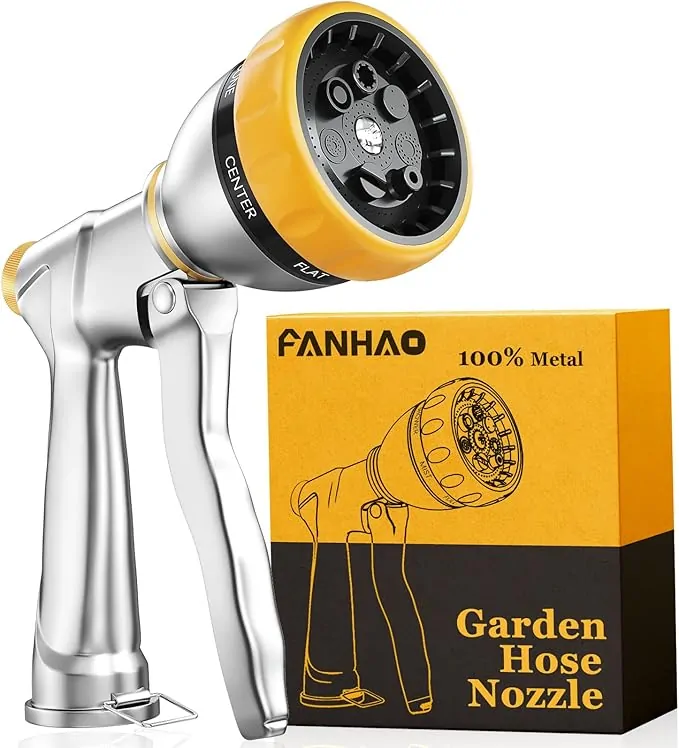
FANHAO Garden Hose Connected Nozzle Sprayer
Built with strong zinc alloy metal construction, this sprayer offers a leak-resistant design, 7 spray patterns, and simple pressure adjustment for reliable gardening performance. It connects with standard ¾ inch hoses without requiring extra adapters, comes with rubber washers for a secure seal, and includes a locking clip for comfortable continuous watering. In my experience, it feels solid, operates smoothly, has no leakage problems, provides easy spray control, and works well for everyday gardening activities.
expert start
What is it & Its Features?
The FANHAO Garden Hose Nozzle Sprayer is a durable metal hose attachment made from high-quality zinc alloy. Compared with plastic nozzles, it is designed for better strength, longer use, and improved resistance against rust, corrosion, and daily wear. It fits standard ¾-inch garden hoses directly without needing any adapter, making installation simple and convenient. The nozzle provides 7 different spray patterns, including mist, shower, flat, jet, and other options, which makes it suitable for various gardening jobs. It also features a leak-proof design with rubber washers that help prevent water loss. The handle locking clip allows continuous spraying without keeping the trigger pressed, reducing hand strain during longer watering sessions.
Why It Matters?
The FANHAO Garden Hose Nozzle Sprayer is useful because it addresses many common issues found in cheaper garden nozzles. Low-quality plastic models often crack, leak, or lose their spraying strength after regular use, while this metal construction provides better durability and stable performance. Multiple spray patterns allow gardeners to provide the correct amount of water for different plants because seedlings and delicate plants need gentle sprays, while cleaning tasks may require stronger pressure. The leak-resistant design also helps reduce water waste, making gardening more economical and environmentally friendly. Overall, it provides a simpler, smoother, and more efficient watering experience.
My Set-Up And My Experience
I tested the FANHAO Garden Hose Nozzle Sprayer in my home garden using a regular hose connection. Setting it up was quick because it attached easily without requiring additional tools. During use, I found the nozzle comfortable to hold, even when watering for longer periods. The trigger operated smoothly, and the locking clip was helpful because it reduced continuous hand pressure. I used it for watering plants, cleaning garden walkways, and removing dirt from pots and outdoor surfaces. The spray pattern selector worked properly, and changing between different modes was simple. I also liked that the connection remained secure without leaks, which is a problem I have experienced with many other nozzles.
Performance
The FANHAO Garden Hose Nozzle Sprayer delivers strong and reliable performance for everyday gardening work. The jet mode provides powerful water flow for cleaning soil deposits, outdoor surfaces, and garden equipment. At the same time, softer spray settings are gentle enough for watering flowers, seedlings, and sensitive plants without causing damage. The nozzle maintains steady water pressure, while the flow adjustment feature allows easy control of water output. After regular use, it continues to work effectively without noticeable performance decline. The durable metal body also improves its lifespan, making it a dependable tool for long-term gardening needs.
Practical Tips
- Use mist mode for seedlings and delicate plants
- Use jet spray for cleaning garden tools and outdoor surfaces
- Check rubber washers regularly to maintain leak-free operation
- Use the locking clip during extended watering sessions
- Store the nozzle in a dry location to improve durability
expert end
pro start
| Pros | Cons |
|---|---|
| ✔️ Strong and long-lasting metal construction | ❌ Heavier compared with plastic nozzles |
| ✔️ Secure hose connection with minimal leakage | ❌ Metal surface may feel cold during winter |
| ✔️ 7 practical spray patterns for different gardening needs | ❌ Spray selector may require some initial adjustment |
| ✔️ Simple and effective water pressure adjustment | ❌ Needs proper storage for maximum lifespan |
| ✔️ Comfortable handle with locking function | ❌ Less suitable for systems with very low water pressure |
pro end
9. Wheeled or ATV sprayers
Similar to backpack sprayers, these models are designed to hold several gallons of liquid and are mainly used for farms, large lawns, or golf courses. They are usually too large and difficult to move for normal home gardening, and using them indoors can easily create excessive water or chemical runoff.
Ironton ATV Spot Sprayer
A large 26 gallon tank combined with a 2.1 GPM pump and 60 PSI pressure provides strong and steady spraying performance for large garden areas. The adjustable nozzle offers up to 17 feet vertical and 25 feet horizontal spray distance, making it suitable for weeds, fences, and plant applications. In my experience, it was simple to set up, reduced the need for frequent refilling, and made large-area spraying faster, although I noticed occasional pressure changes and small leakage problems during operation.
expert start
What Is It and Its Features?
The Ironton ATV Spot Sprayer, 26 Gallon Capacity is a battery-operated sprayer that can be installed on an ATV, UTV, lawn mower, or garden tractor. It includes a durable 26-gallon polymer tank that provides good resistance against chemicals, sunlight, and outdoor conditions. The sprayer uses a 2.1 GPM on-demand pump capable of producing up to 60 PSI pressure. The automatic shutoff system activates when spraying stops, helping protect the pump and improve battery efficiency.
One important feature is its adjustable spray gun nozzle, which allows users to change between a concentrated stream and a wider cone spray based on the application requirement. It can spray up to 17 feet vertically and 25 feet horizontally, making it useful for reaching tall plants, fence areas, and difficult locations. The unit also includes a 15-foot hose, bottom drain system for easier cleaning, and visible tank markings to monitor liquid levels. The in-line switch and 8-foot battery harness provide convenient control while operating the sprayer.
Why It Matters?
The Ironton ATV Spot Sprayer, 26 Gallon Capacity is valuable because it reduces the time and physical effort required for large spraying tasks. When maintaining a large garden, lawn, or farm area, small hand sprayers can become tiring because they require frequent refilling. This larger sprayer allows users to cover more area with fewer interruptions.
The powerful pump and extended spray distance make it easier to treat weeds, fence borders, and areas that are difficult to reach. This helps improve weed management and supports healthier plant growth. The automatic shutoff feature also helps increase pump life by preventing unnecessary operation. For people managing large outdoor spaces, this sprayer provides faster and more efficient spraying compared with smaller equipment.
My Set-Up And My Experience
I used the Ironton ATV Spot Sprayer, 26 Gallon Capacity mainly for weed control and spraying around garden boundaries. Instead of permanently attaching it to an ATV, I placed it on a small trolley with a 12V battery, which made transportation easier. The large tank capacity was very helpful because I could prepare the spray mixture once and complete most of the work without stopping for refilling.
During my use, I found the spray pressure strong enough for regular applications, and the adjustable nozzle performed well for both targeted spraying and wider coverage. However, I noticed that the hose became slightly rigid in colder conditions, and sometimes the spray output was not completely consistent. Despite these small issues, it significantly improved my workflow compared with using smaller sprayers, especially when working over larger areas.
Performance
The Ironton ATV Spot Sprayer, 26 Gallon Capacity provides good performance for common outdoor applications such as weed control and fertilizer spraying. The 2.1 GPM pump delivers strong liquid flow, while the 60 PSI pressure level is suitable for most gardening and lawn maintenance requirements. The long spray range allows users to cover distant areas without constantly changing positions.
However, performance may change slightly with extended use. Some users may experience variations in pressure or reduced pump performance over time. The tank construction is strong and dependable, but smaller components such as the nozzle or drain connection may require occasional adjustment. Overall, it remains a practical option for medium to large spraying jobs.
Practical Tips
- Clean the tank with fresh water after each spraying session
- Inspect hose connections regularly to prevent leaks
- Use cone spray for large areas and stream spray for targeted applications
- Keep the battery charged to maintain stable spray pressure
- Store the sprayer in a covered area to protect its components
expert end
pro start
| Pros | Cons |
|---|---|
| ✔️ Large 26-gallon tank minimizes refill frequency | ❌ Hose may become stiff in colder temperatures |
| ✔️ Powerful 2.1 GPM pump with reliable pressure | ❌ Nozzle adjustment could offer better control |
| ✔️ Extended spray reach for larger areas | ❌ Pump performance may vary after long-term use |
| ✔️ Adjustable nozzle supports different spraying needs | ❌ Drain connection may develop leakage issues |
| ✔️ Works easily with a 12V battery connection | ❌ Heavy to move when the tank is completely filled |
pro end
Best Indoor Uses by Sprayer Type
When using garden sprayers inside your home, each sprayer type is designed for different purposes. Selecting the right sprayer helps you apply liquids more effectively, prevents unnecessary waste, and keeps your plants and indoor areas protected. Below are some common indoor tasks and the sprayer types that work best for each one:
1. Houseplant watering and foliage care
For regular watering and leaf misting, a handheld trigger sprayer or a small pump sprayer is usually the most suitable option. Handheld misters (fine-spray bottles) work well for increasing humidity and gently spraying plant leaves. A quality mister “is a useful tool for keeping small plant leaves clean and helping leaves receive the moisture they need.” Pump sprayers (1–2 L) are helpful when you need to water multiple plants or reach leaves that are higher up with an attached wand.
2. Indoor pest control
For applying insecticidal soaps, miticides, and other plant protection products, pump sprayers or continuous sprayers are effective choices. For instance, if several indoor plants have an aphid problem, a continuous sprayer can make treatment faster by covering both sides of the leaves properly. Experts recommend treating the upper and lower leaf surfaces (360° spray coverage) because many pests hide underneath leaves. Choose a sprayer (such as a 1 L pump sprayer or battery-powered mister) that can safely hold the required pesticide solution. Always wear PPE and follow the product label instructions carefully. (Remember: only use pesticides that are approved for indoor plant applications.)
3. Fertilizing/nutrient sprays:
Foliar feeding (applying nutrients directly onto plant leaves) can be done using the same type of sprayers used for watering. A fine mist provides uniform coverage while reducing runoff. A small pump sprayer with a mist nozzle is a good choice because it helps prevent excessive fertilizer application. Generally, plants respond better to lower nutrient concentrations and gentle spray settings when applying foliar treatments.
4. Disinfecting and cleaning
Garden sprayers can also be used for applying disinfectants or cleaning solutions on indoor surfaces. A small pump sprayer (one gallon or smaller) can easily cover areas such as kitchen counters or bathroom tiles without the mess caused by pouring liquids directly. Handheld sprayers are also widely used for disinfectant applications. However, if a sprayer has previously contained garden chemicals, it is safer to use a separate, clearly labeled sprayer only for cleaning products. Chapin recommends labeling sprayers according to their contents to prevent accidental misuse. (Never use a pesticide sprayer for bleach or powerful cleaning agents unless chemical compatibility has been confirmed.)
Safety Tips for Using Garden Sprayers Indoors
Using garden sprayers indoors can make houseplant care, fertilizer application, and pest management easier. However, indoor environments are enclosed spaces, and incorrect sprayer use can result in chemical exposure, accidents, or damage to household items. Following proper safety practices helps protect you, your family, pets, and your home while allowing accurate and effective spraying.
1. Ventilate well: Always improve airflow by opening windows or using fans while spraying indoors. The EPA recommends increasing ventilation during and after indoor pesticide applications. For example, spray only in areas with good air movement and avoid using the room immediately after treatment. Whenever possible, move plants and pets away from the area or perform spraying outdoors.
2. Wear protective gear: Indoor spraying still requires careful handling of garden chemicals. Wear gloves, long sleeves, and eye protection whenever applying sprays. As one pest control expert explains, “make sure you are protected: goggles, face mask, chemical resistant gloves, long sleeve shirts and long pants” when operating any sprayer. Avoid breathing spray droplets—a simple dust mask or respirator can help reduce exposure. Always follow the PPE instructions provided on the product label.
3. Use pesticides only as directed: Carefully read and follow all instructions written on pesticide labels. The EPA emphasizes that pesticides should only be used according to label directions and at the recommended rates. Applying extra product does not improve results; instead, overuse can increase indoor chemical exposure. Only use products approved for residential use. If a product requires certified applicator permission, it should not be used by untrained individuals.
4. Avoid cross-contamination: Do not combine different chemicals unless the product labels specifically approve mixing them. Avoid using the same sprayer for incompatible solutions without proper cleaning. Users are advised to clearly label sprayers to prevent accidental chemical combinations. After spraying pesticides or fertilizers, clean the tank, hose, and nozzle with fresh water (and a neutralizing solution when required). This removes leftover chemicals and prevents reactions during future applications.
5. Clean and maintain the sprayer: Clean your sprayer immediately after every use. Rinse the tank and hose completely with water (and use soap or a neutralizing solution when working with strong chemicals). Remove and wash filters or strainers if present. Regularly inspect seals, gaskets, and o-rings for wear or damage. Keep the sprayer dry when storing it. Chapin also recommends avoiding storage of spray solutions inside the sprayer because leftover chemicals can cause corrosion, blockages, and equipment failure. Proper cleaning improves performance and increases the working life of your sprayer.
6. Store safely: Store all sprayers and chemicals in a secure location away from children and pets. The EPA highlights that many children are exposed to household pesticides every year, often because chemical containers are left accessible. After completing spraying, release any remaining pressure from the sprayer and store it in a locked cabinet or a high storage area. Always keep the original label attached to chemical containers so the product can be identified correctly.
How to Choose the Best Indoor Garden Sprayer
Selecting the best indoor garden sprayer is important for maintaining healthy houseplants while keeping your indoor environment safe and clean. Indoor spraying requires better control compared with outdoor applications because excessive pressure, mist, or chemical spread can damage furniture, flooring, and plants. Since many options are available—including handheld trigger sprayers, small pump sprayers, electric models, and continuous spray bottles—choosing the correct one depends on your specific needs.
i. Match the sprayer to the task: Think about the number of plants you need to treat and the size of the area. For a small collection of houseplants, a compact handheld mister is usually enough. If you have many indoor plants, a 1–3 L pump sprayer provides better efficiency. Larger sprayers (4+ gallons) are generally unnecessary indoors unless you manage a greenhouse or a large indoor planting area. Most indoor gardening tasks are better handled with handheld or small pump sprayers.
ii. Tank capacity vs. frequency: A bigger tank reduces the need for frequent refilling but can become heavier to carry. Consider how often you will use the sprayer and how much liquid you need. For occasional spot treatments, a small 1-L sprayer works well. For regular watering or treating many plants, a 2–3 L model may save time by reducing refill trips.
iii. Adjustable nozzles and spray patterns: Select a sprayer with an adjustable nozzle that offers different spray options. A fine mist setting provides gentle coverage for leaves, while a stronger stream works better for soil applications or cleaning tasks. Models like the RL FloMaster and Fertilome 1-gallon are appreciated because their nozzles can easily change between mist and stream settings. An anti-clog filter is also useful when applying fertilizers or oil-based solutions.
iv. Ease of cleaning and refilling: A wide-mouth tank opening makes filling and cleaning much easier. Transparent or translucent containers allow you to monitor the remaining liquid level. Features such as anti-drip valves and trigger locks help prevent spills. For example, a 48-oz Chapin sprayer includes an anti-clog filter and a clear container that allows users to check the solution level, making indoor spraying more convenient.
v. Portability and ergonomics: Choose a sprayer that feels comfortable during use. Handheld models should have an ergonomic design with an easy-to-operate trigger or pump mechanism. If you use a backpack-style sprayer (which is uncommon indoors), ensure the straps are comfortable and properly adjusted. Electric sprayers should provide balanced weight distribution to reduce hand and arm fatigue.
vi. Chemical compatibility: Always confirm that the sprayer materials are suitable for the chemicals you plan to use. Manufacturers usually mention whether a sprayer can handle pesticides, fertilizers, or other solutions. Strong cleaners and solvents may require specialized chemical-resistant sprayers. Before use, check both the sprayer instructions and chemical label to ensure compatibility.
Common Mistakes to Avoid
Using a garden sprayer indoors may look simple, but many users make common mistakes that can damage plants, stain household surfaces, or create safety problems. Understanding these errors helps you spray more effectively while protecting your home environment. Choosing the wrong sprayer, applying too much pressure, or using unsuitable chemicals can reduce results and create unnecessary risks.
a. Using the wrong sprayer indoors: One of the biggest mistakes is bringing large outdoor sprayers inside the home. Backpack sprayers, gas-powered units, and high-pressure equipment are not designed for indoor applications. They may cause overspray, leaks, or release unwanted fumes. For indoor gardening, small handheld or pump sprayers are the safer choice. Experts also point out that backpack sprayers are often too heavy and oversized for small indoor gardens.
b. Over-pressurizing: Avoid pumping a sprayer beyond its recommended pressure range. Most garden sprayers include a safety relief valve to release excess pressure. Frequently activating this valve can increase the risk of damaged seals or equipment failure. Follow the manufacturer’s instructions regarding pumping levels. As one guide humorously states, “the pressure is killing me!”—meaning excessive pressure should not be ignored. Always release pressure before storing the sprayer.
c. Mixing up chemicals: A common mistake is filling a sprayer with the wrong chemical or reusing a sprayer for a different purpose without cleaning it properly. For example, using acidic solutions like vinegar in a sprayer that is not acid-resistant can damage the equipment. Similarly, spraying bleach through a sprayer previously used for pesticides may create harmful reactions. Clean the sprayer thoroughly between products and use separate sprayers whenever possible.
d. Poor maintenance leading to leaks: Ignoring regular cleaning and drying can create many sprayer problems. Chemical residues may build up, block components, and damage internal parts. Growcycle recommends cleaning sprayers after each use to prevent buildup and extend equipment life. Poor maintenance can eventually turn a useful sprayer into a leaking and unreliable tool.
e. Skipping protective gear: Not wearing gloves and eye protection is another frequent mistake, even when spraying indoors. Small splashes or fine droplets may still cause irritation or injury. Using proper PPE is always the safer approach when handling garden chemicals.
Conclusion
In conclusion, the safest and most practical indoor sprayers are compact, hand-operated models that provide better control. Handheld and small pump sprayers (with capacities of a few liters) are usually the best choices for indoor gardening activities. They allow you to mist leaves, apply nutrients, manage plant pests, and even clean indoor surfaces with accuracy. Continuous-spray bottles and battery-powered sprayers can also be helpful for larger indoor tasks, but they should always be operated carefully.
Always select a sprayer according to the job, maintain moderate pressure, and follow proper safety practices. With the correct equipment, good ventilation, and suitable protective gear, you can maintain healthy indoor plants while keeping your living space safe. Choosing a compact, low-pressure sprayer made for indoor applications—and cleaning and storing it correctly after every use—will reduce risks and help you achieve better results in your indoor garden.
Frequently Asked Questions (FAQs)
Can I use a regular garden sprayer indoors?
Yes, you can use a small garden sprayer indoors when it is suitable for the specific task, but it should be used carefully. A standard pump sprayer (1–2 L) designed for general gardening purposes can work well for houseplants and small treatments. However, large “regular” sprayers, such as backpack models or professional-grade equipment, are not suitable for indoor environments. Always confirm that both the sprayer and the chemical solution are approved for indoor use. When unsure, choose a smaller sprayer designed for indoor gardening.
What pressure is safe for indoor spraying?
The safest approach is to use the lowest pressure required to complete the task effectively. Unlike outdoor applications that may require stronger spraying power, indoor sprayers commonly operate around 20–60 psi. Many plant care and pest control products require a minimum pressure level (often around 40 psi) for the nozzle to work correctly. Keeping pressure within this moderate range helps reduce spray drift and unnecessary mist formation. Always check whether your sprayer has adjustable pressure control and avoid exceeding the manufacturer’s recommended pumping limits. Most sprayers include a built-in relief valve to improve safety.
Are electric sprayers safe for apartments?
Yes, electric sprayers, including battery-powered and plug-in models, are generally safe for apartment use when operated correctly. They do not produce exhaust fumes and usually operate more quietly compared with gas-powered equipment. These sprayers provide consistent spraying and help achieve even coverage without the carbon monoxide concerns associated with gasoline engines. However, users should still select a model with suitable low-pressure settings to avoid creating excessive spray mist. Remember that electric sprayers can still apply chemicals, so they require the same safety precautions and PPE as other sprayers.
What’s the best sprayer for houseplants?
For most houseplants, a small handheld sprayer (around 1–2 liters) with a fine mist nozzle is usually the best option. It is lightweight, easy to control, and provides gentle coverage without damaging delicate leaves. During product testing, a 20-oz adjustable sprayer (such as the ExtremeMIST) received positive feedback as “every gardener’s dream” for indoor plant care. However, a simple 1-liter garden pump sprayer can provide similar results for many users. Growcycle also mentions that a handheld 48-oz sprayer is an ideal size for indoor applications. If you have a large plant collection or need more frequent spraying, a small battery-powered mister can be useful. For everyday misting and watering, a manual handheld sprayer with a fine-adjustable nozzle remains one of the best choices.
references:
1. Mekruksavanich, K., Thamchaikul, N., Muentabutra, P., & Sutthipornmaneewat, N. (2024, August). Design and Development of a Vertical Garden Station with Plants and an Automatic Fogging System for PM2. 5 Reduction. In 2024 5th International Conference on Big Data Analytics and Practices (IBDAP) (pp. 161-165). IEEE.
2. Uddin, I., Rakib, A., Ali, M., Mahfooz Ul Haque, H., & Uddin, A. (2024). A semantic-based approach to modelling smart indoor kitchen garden. Mobile Networks and Applications, 29(4), 1295-1310.
3. Rahmawati, D., Setiawan, H., Hardiwansyah, M., Alfita, R., Nahari, R. V., Sukri, H., & Setiawibawa, R. (2024, July). Design of smart pest control for ornamental plants indoor vertical farming. In AIP Conference Proceedings (Vol. 3176, No. 1, p. 030019). AIP Publishing LLC.
4. Meyer, G. (2023). Testing Various Poisons and Substances Against Indoor Home-Garden Aphids. ScienceOpen Preprints.
5. Ribeiro, R. V., Fonseca, N., Neto, M. D. L., Duprat, I., & Delbin, M. A. (2024). The first large-scale indoor tropical garden with Brazilian native tree species: Challenges and lessons. Trees, Forests and People, 15, 100479.
6. Rion, M. S. I., Coe, C., Xiao, Z., & Shen, C. (2026). Electrostatic and Garden Spraying Eugenol and Trans-cinnamaldehyde for Reducing Salmonella Typhimurium, Listeria monocytogenes, and Enterococcus faecium on Cilantro. Journal of Agriculture and Food Research, 103207.
7. Wang, X., Wang, S., Huang, J., Lv, S., & Li, X. (2022, March). Design of an autonomous navigation intelligent spraying robot. In 2022 IEEE 6th Information Technology and Mechatronics Engineering Conference (ITOEC) (Vol. 6, pp. 496-499). IEEE.

