
Hose End Garden Sprayers vs Tank Sprayer: Which Is Best for You?
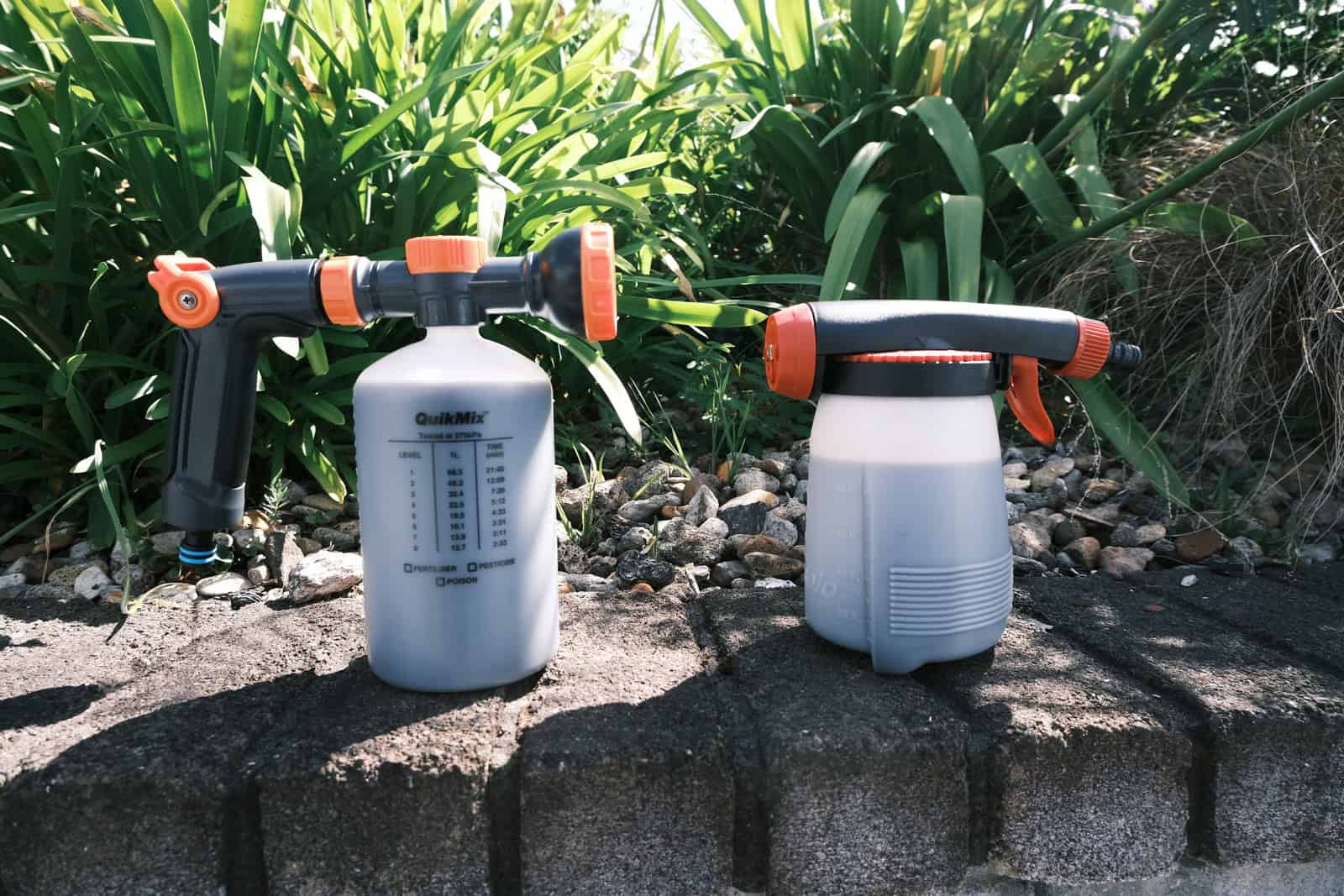

When I started comparing hose end garden sprayers vs tank sprayers, my main concern was not simply which equipment could spray faster. I wanted to understand which sprayer could handle my lawn, vegetable beds, seasonal flowers and young fruit trees without wasting water, increasing chemical exposure or making routine gardening unnecessarily difficult. Both types could apply suitable garden liquids, but their working methods, mixing systems and operating limitations were quite different.
A hose end garden sprayer connects directly to a garden hose and normally uses flowing water to dilute and distribute a compatible liquid concentrate. A tank sprayer carries its own spray mixture and uses manual or powered pressure to deliver it through a nozzle. This fundamental difference affects almost everything, from portability and coverage to application accuracy, cleaning and long-term maintenance.
Initially, I liked the idea of covering my lawn without repeatedly filling a tank. However, when I considered spraying individual tomato plants, delicate petunias and reachable branches of young lemon trees, I realised that fast coverage and controlled application were not necessarily the same thing. My buying decision therefore depended on the actual gardening task rather than one sprayer being universally superior.
An Overview Of Best Hose End and Tank Garden Sprayers
| Product | Title | Features | Explore |
|---|---|---|---|
 | Chapin Insecticide Hose Sprayer |
| Check Price |
 | RL Flo-Master Chameleon Hose End Sprayer |
| Check Price |
 | Andersons Refillable Multipurpose Sprayer |
| Check Price |
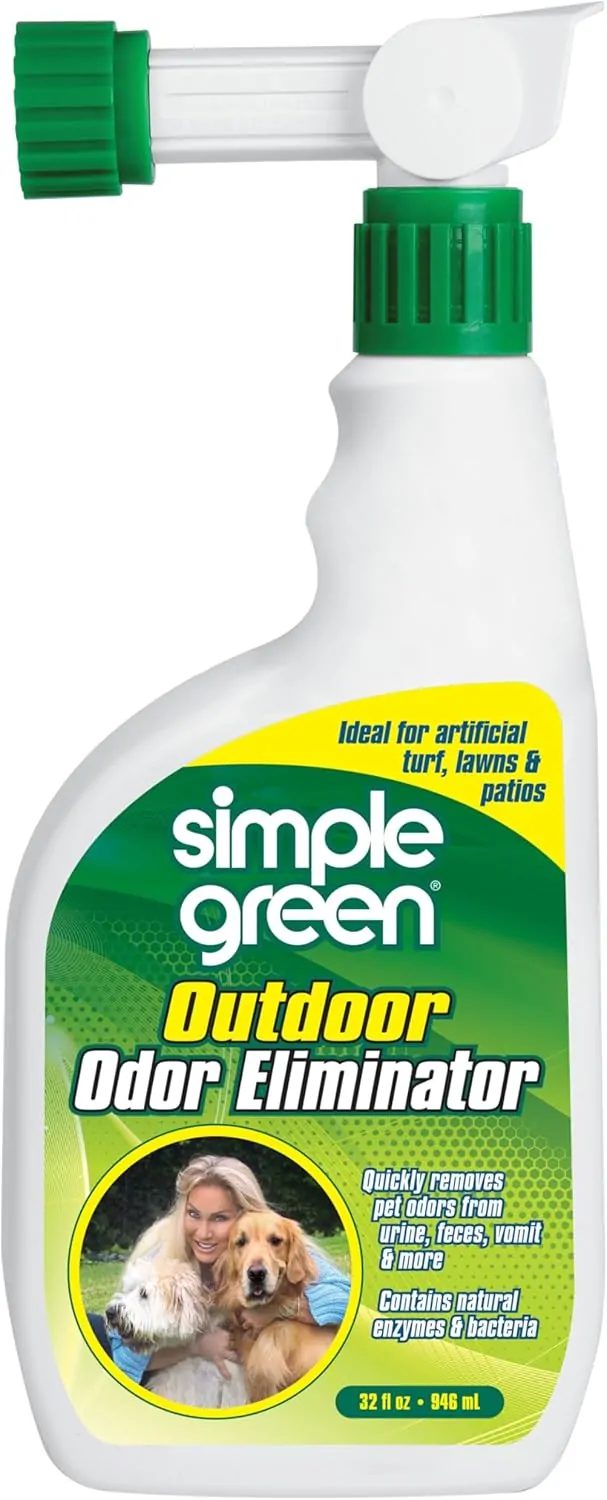 | Simple Green Outdoor Odor Eliminator Hose End |
| Check Price |
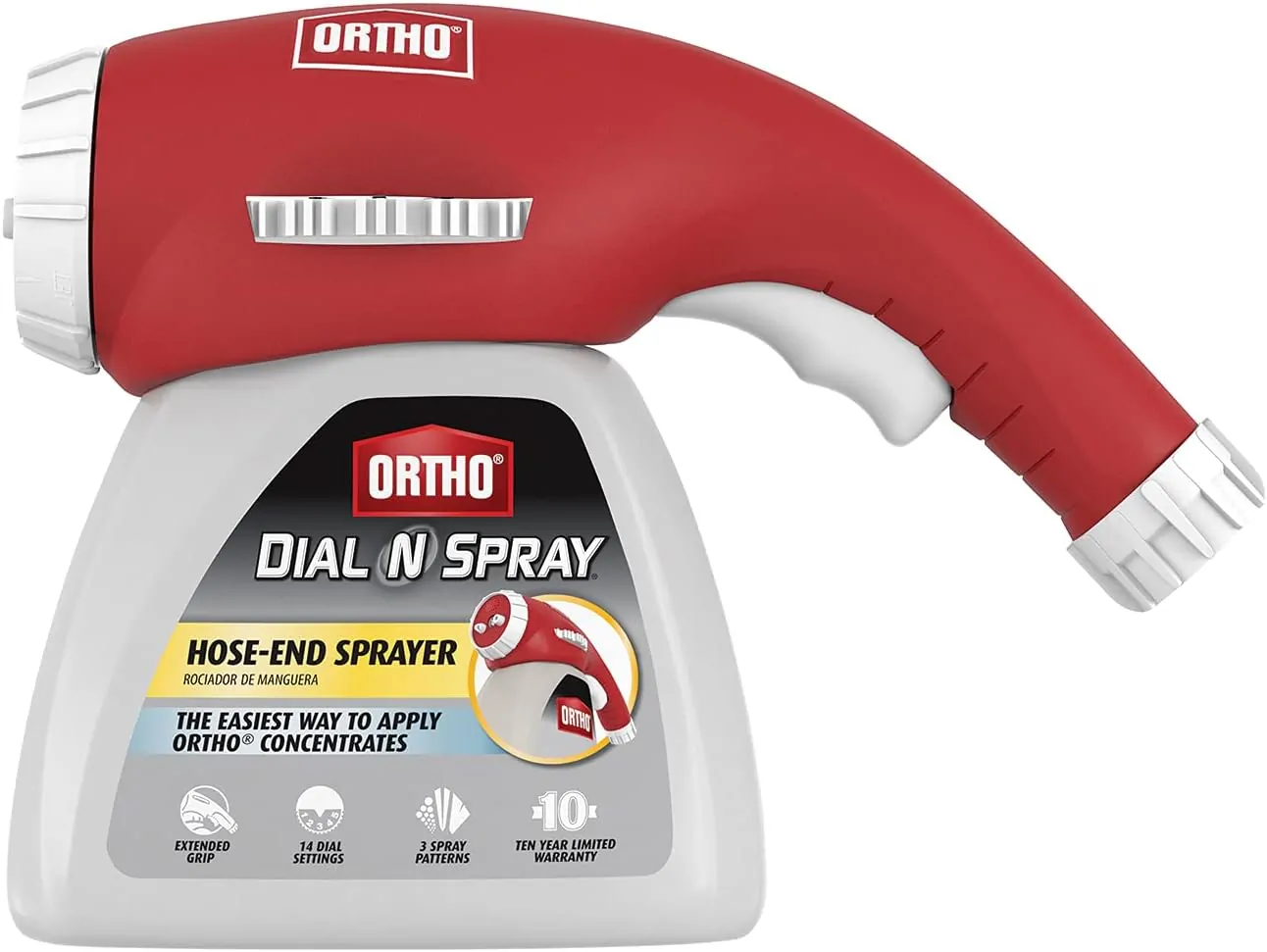 | Ortho Dial N Sprayer |
| Check Price |
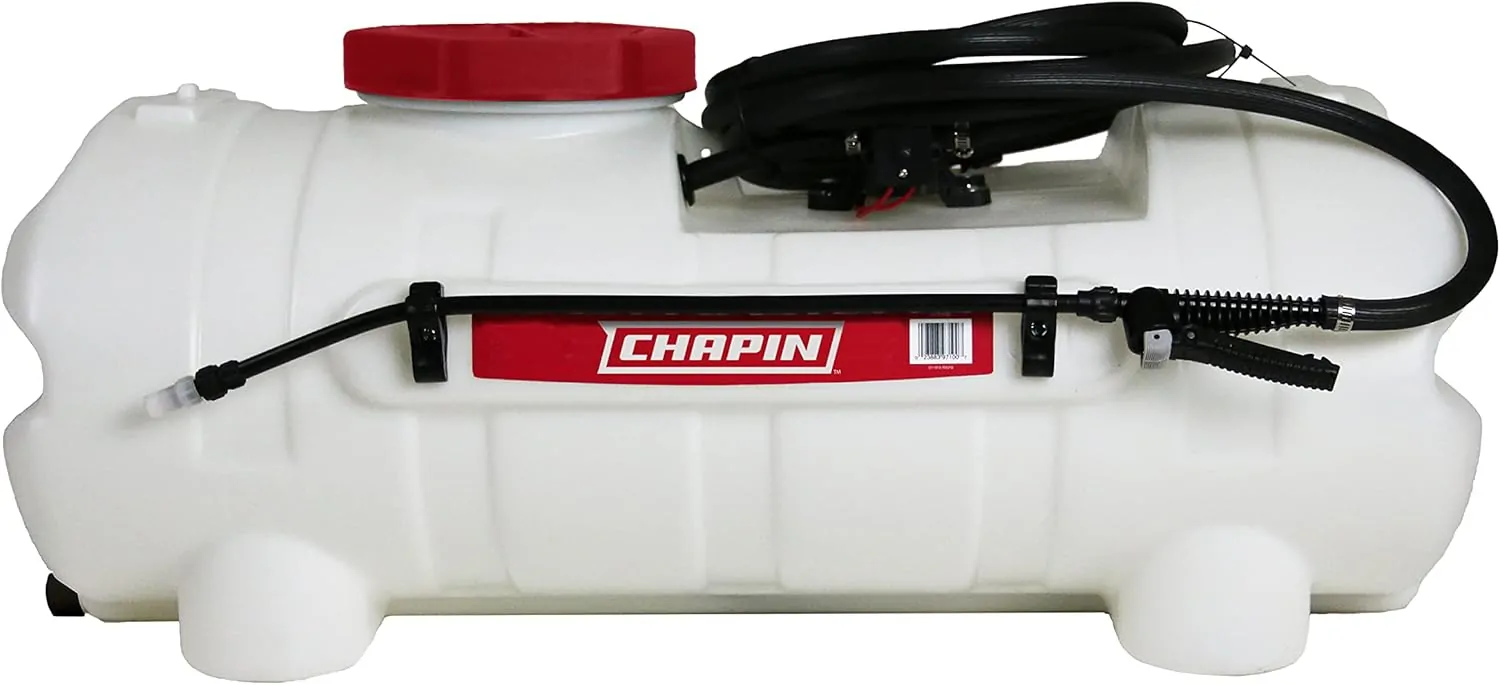 | Chapin 97154 Tank |
| Check Price |
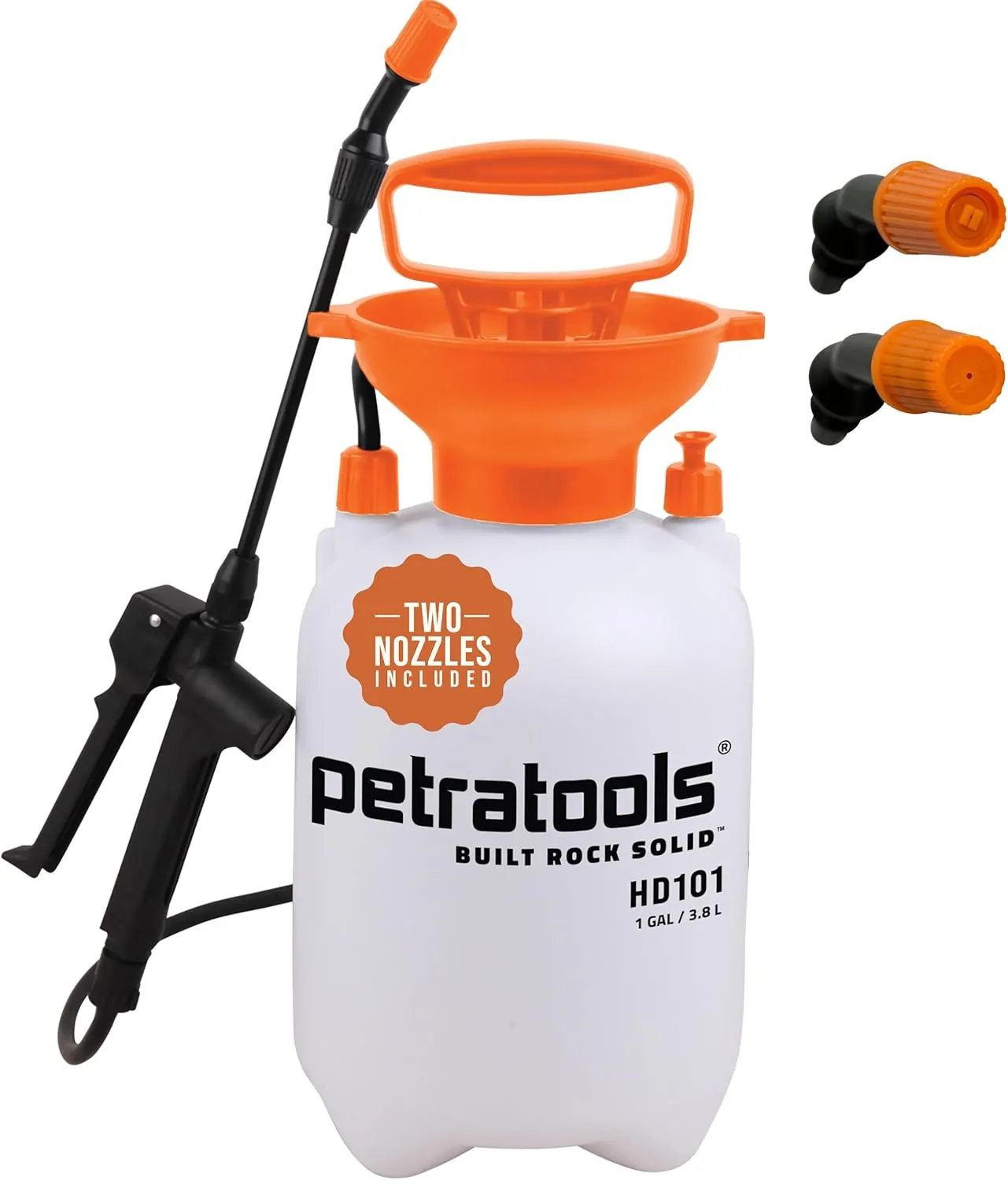 | Petratools 1 Gallon Tank |
| Check Price |
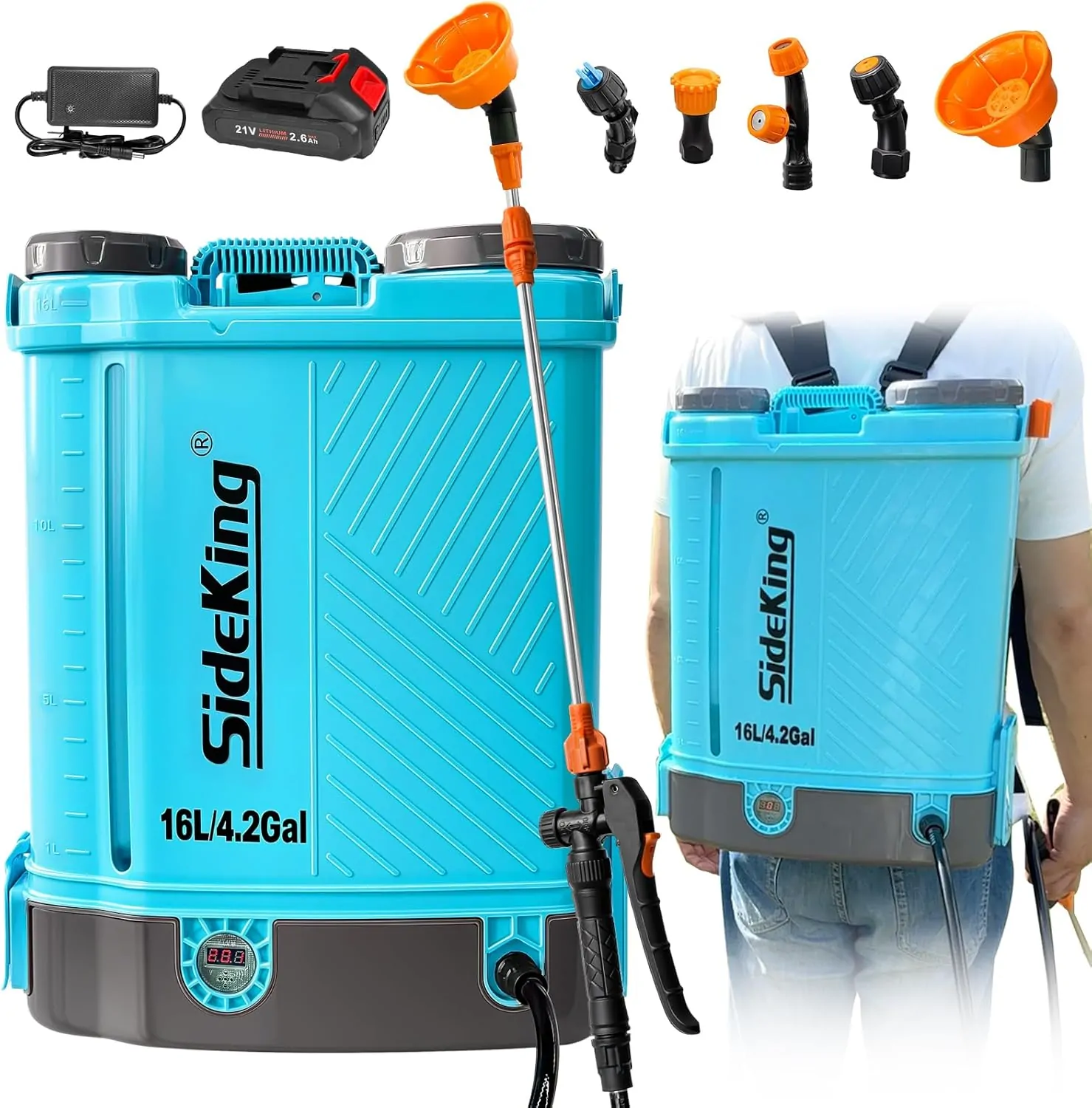 | SideKing Battery Powered Backpack Tank Sprayer |
| Check Price |
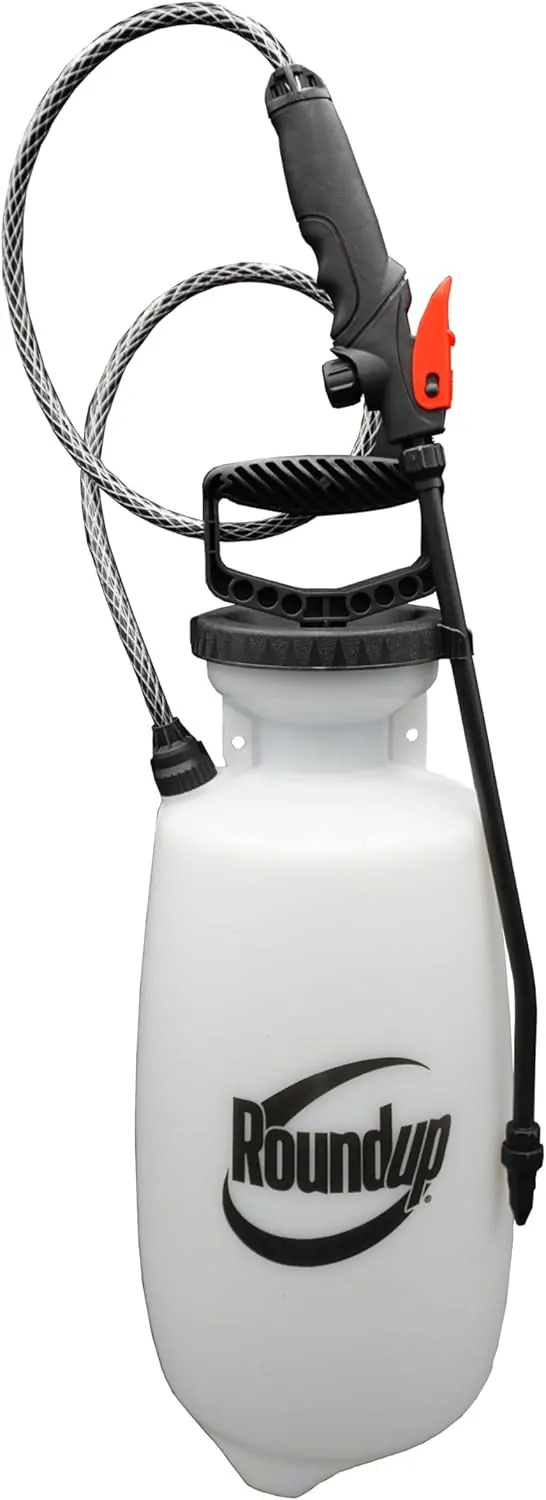 | Roundup 190260 2-Gallon Lawn Sprayer |
| Check Price |
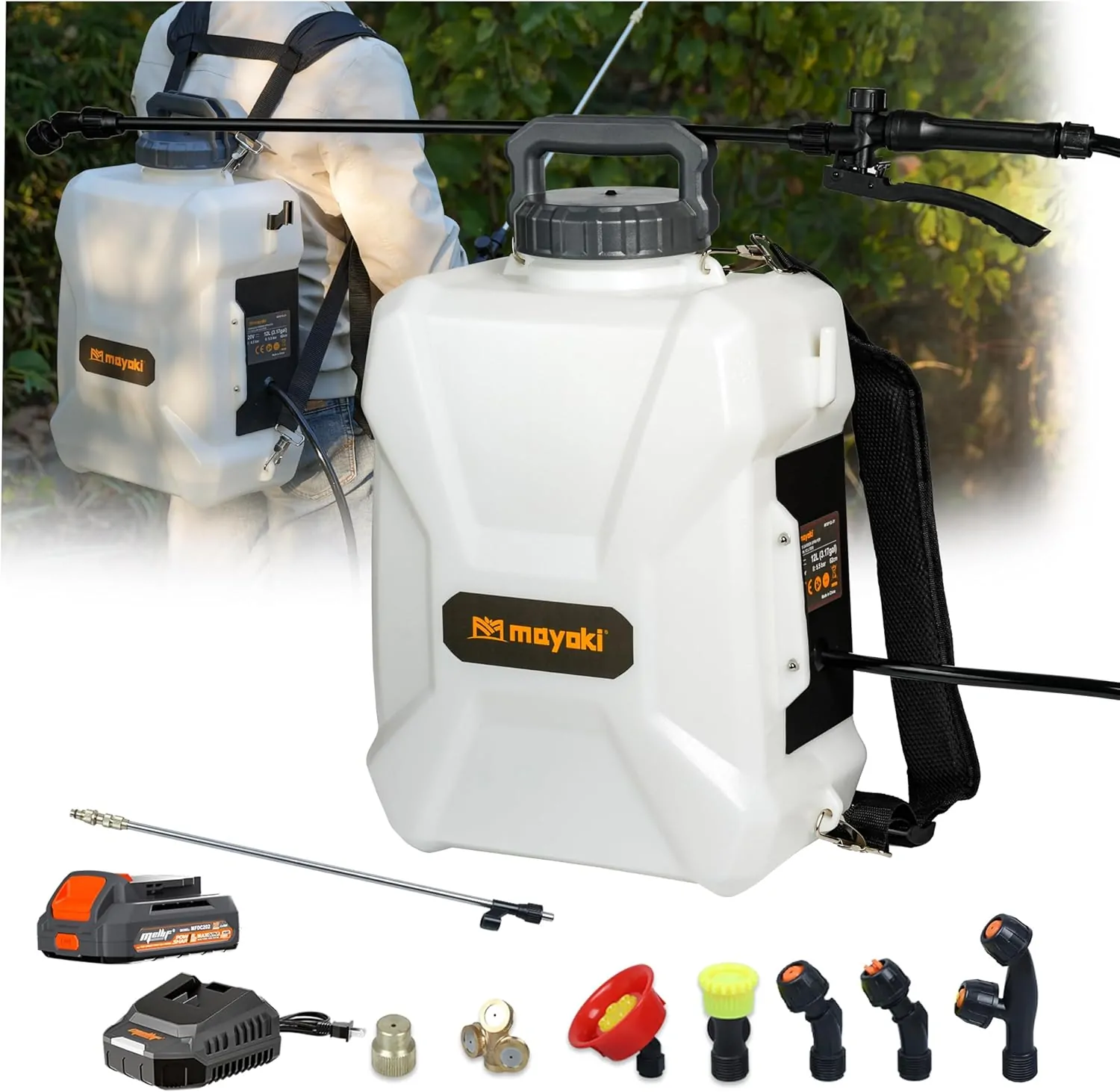 | Mayoki 3-Gallon Lawn Garden Sprayer |
| Check Price |
Why I Compared Both Garden Sprayers
My first priority was understanding my workload. A lawn might need relatively uniform treatment across a broad area, while vegetable plants often require careful spraying around stems, leaf surfaces and neighbouring crops. A sprayer that performed comfortably on open grass could become inconvenient between closely planted beds.
For planning purposes, I considered a garden with a 150-square-metre lawn, several vegetable beds, seasonal marigolds and two reachable young fruit trees. These figures formed a useful comparison scenario rather than a record of my own garden measurements.
I wanted equipment that could handle occasional liquid feeding, approved pest treatments and ordinary maintenance without requiring complicated preparation. I also considered how frequently I would spray, where my water taps were located and whether I could safely carry a filled tank.
- Garden size: Larger open areas favoured convenient continuous water delivery.
- Plant arrangement: Closely spaced vegetables required better directional control.
- Water availability: Hose end equipment needed a suitable pressurised supply.
- Application accuracy: Treatments with strict mixing instructions required reliable calibration.
- Operating effort: Carrying liquid, pumping and moving hoses created different workloads.
These considerations helped me identify an important buying principle: I needed to select the spraying system around the treatment and growing area, not select the treatment around the sprayer.
How Both Sprayer Systems Actually Work
Before comparing specifications, I examined how both systems delivered liquid. Although their spray patterns could sometimes look similar, their internal mechanisms were different enough to affect application consistency.
How Hose End Garden Sprayers Work
A hose end garden sprayer attaches to a compatible garden hose. Water passes through its spray head, while a proportioning mechanism draws liquid concentrate from an attached reservoir. Depending on the design, the system may use a venturi effect, another aspiration arrangement or a calibrated metering mechanism.
In a venturi-type design, flowing water creates a pressure difference that helps draw concentrate into the water stream. The mixture then leaves through the spray outlet. Some models provide adjustable dilution settings, while others operate at a fixed ratio.
For example, a setting described as 1 fluid ounce per gallon generally indicates a concentrate-to-water delivery relationship defined by the manufacturer. However, the dial setting is not proof that the sprayer is delivering that exact concentration. Water pressure, flow, concentrate properties and equipment condition may affect actual performance.
The concentrate bottle also should not be confused with the total amount of spray produced. A 1-litre reservoir could theoretically contribute concentrate to many litres of finished spray, depending on the metering ratio. The exact output must be calculated using the manufacturer’s ratio definition and verified through calibration.
This arrangement appealed to me for open lawn work because the water supply was continuous. Nevertheless, I needed to confirm that the hose could reach the treatment area and that the equipment maintained an acceptable dilution rate under my available water pressure.
How Tank Garden Sprayers Work
A tank sprayer operates differently. I would prepare the permitted mixture according to its product label, place it inside the tank and pressurise the delivery system.
In a manual compression sprayer, pumping compresses air above the liquid or pressurises a separate chamber. When the trigger opens, pressure forces the solution through the hose, wand and nozzle. Backpack and battery-powered models may use different pump arrangements, including diaphragm or piston systems.
A typical 4-gallon tank holds approximately 15.1 litres when the gallon is the US liquid gallon. Water alone at that volume weighs roughly 15.1 kg, before accounting for the sprayer, battery and other contents. This was an important consideration when comparing backpack equipment with a lightweight hose end attachment.
However, the larger tank offered another benefit: I could prepare a known mixture before starting and apply it without remaining connected to a water tap. That was especially useful for isolated beds and carefully targeted spraying.
Best Hose-End Garden Sprayers Recommended in 2026
Choosing the right hose-end sprayer can greatly improve garden maintenance and help keep plants healthy and attractive. These sprayers make it easier to apply fertilizers, weed killers, insecticides, and fungicides with better speed and accuracy while reducing effort.
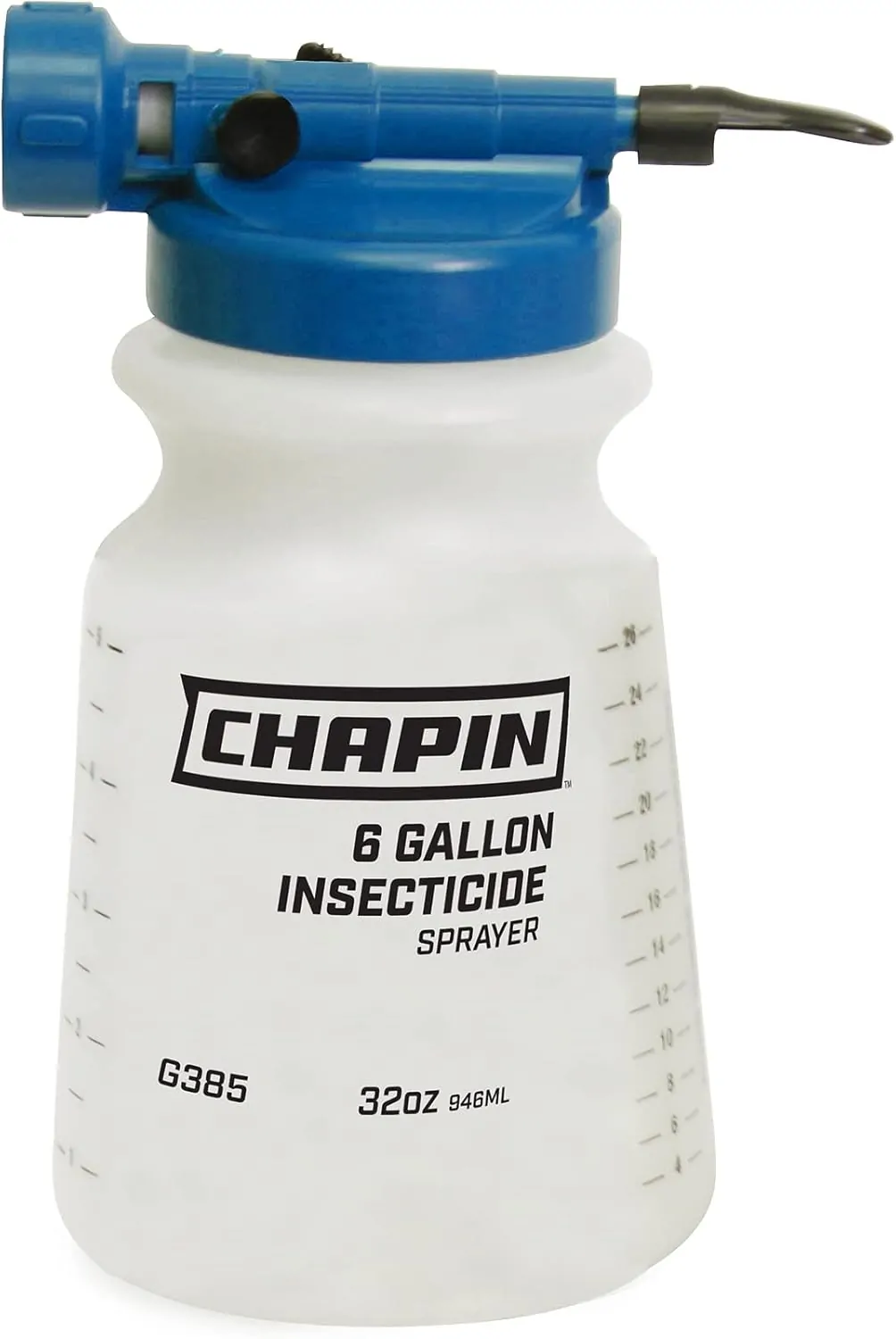
Chapin Insecticide Hose End Sprayer
The large 32-ounce tank can spray up to 6 gallons of solution and works directly with hose pressure. It comes with a fan nozzle, anti-siphon protection, and easy thumb control for convenient operation. Its universal hose connection and removable nozzle allow you to switch between a wide fan spray and a direct stream, making it suitable for different gardening applications. In my experience, it saves effort and makes spraying faster, but proper attachment and regular cleaning are necessary to prevent leaks and uneven spray performance.
expert start
What is it and its features
The Chapin G385 Hose End Sprayer is a hose-attached sprayer designed to mix water with liquid chemicals automatically and apply them to lawns, gardens, and plants. It includes a 32-ounce chemical tank made from chemical-resistant plastic, which is suitable for pesticides, fertilizers, and weed killers. The sprayer comes with a removable fan spray nozzle that creates a wider spray pattern for covering larger areas. When the nozzle is removed, it changes into a direct stream spray that can reach farther distances. It also has a built-in anti-siphon valve for improved safety and a thumb control switch that makes operation simple. Based on my experience, it performs best when connected properly and used with stable water pressure.
Why it matters
The Chapin G385 Hose End Sprayer is useful because it makes garden spraying quicker and easier compared to traditional pump sprayers. You do not need to manually pump pressure; simply connect it with a hose and begin spraying. This feature saves time, especially when treating large lawns or several plants at once. It also helps reduce direct handling of chemicals, improving safety during application. In my experience, it made pest control tasks more efficient, but the final results depend on correct installation and consistent water pressure. Incorrect attachment can lead to leakage or uneven chemical distribution.
My Set-Up And My Experience
I used the Chapin G385 Hose End Sprayer to apply insecticide and liquid fertilizer in my garden. Setting it up was straightforward: I connected it to a regular garden hose and added the required chemical mixture into the tank. The first thing I noticed was the convenience of spraying without needing to pump manually. The thumb control system made it easy to start and stop spraying while moving around different plants. The fan spray was effective for covering garden beds, although the droplets were larger and felt more like gentle rain instead of a fine mist. I experienced a minor issue during hose attachment because the connection needed careful adjustment to prevent leaks. After proper fitting, the sprayer worked smoothly. With continued use, I noticed that spray consistency can decrease if the unit is not cleaned and maintained regularly.
Performance
The Chapin G385 Hose End Sprayer provides reliable performance for basic gardening applications. It covers areas quickly, making it useful for lawns, garden beds, and larger plant groups. The spray distance is moderate and generally reaches around 7–10 feet depending on the available water pressure. Removing the nozzle allows a longer spray distance, which helps with targeted applications. However, the spray pattern cannot be adjusted like some advanced sprayers. I also noticed that performance may become less consistent over time if the internal mixing system becomes blocked or worn. Overall, it is a good choice for occasional gardening tasks but may not be the best option for regular commercial-level spraying.
Practical Tips
- Make sure the hose connection is properly aligned to prevent leaks
- Clean the tank after every use to avoid chemical buildup and clogging
- Maintain steady water pressure for more consistent spraying
- Perform a test spray before applying chemicals to plants
- Remove the nozzle when you need a longer direct spray distance
expert end
pro start
| Pros | Cons |
|---|---|
| ✔️ Simple operation without manual pumping | ❌ Plastic hose connection may require careful adjustment |
| ✔️ Quickly covers large areas using hose pressure | ❌ Spray pattern cannot be adjusted |
| ✔️ Transparent tank makes chemical level checking easier | ❌ Produces larger droplets instead of a fine mist |
| ✔️ Anti-siphon valve improves safety during application | ❌ Spray consistency may reduce with long-term use |
| ✔️ Thumb control provides comfortable and quick handling | ❌ Less suitable for frequent heavy-duty spraying |
pro end
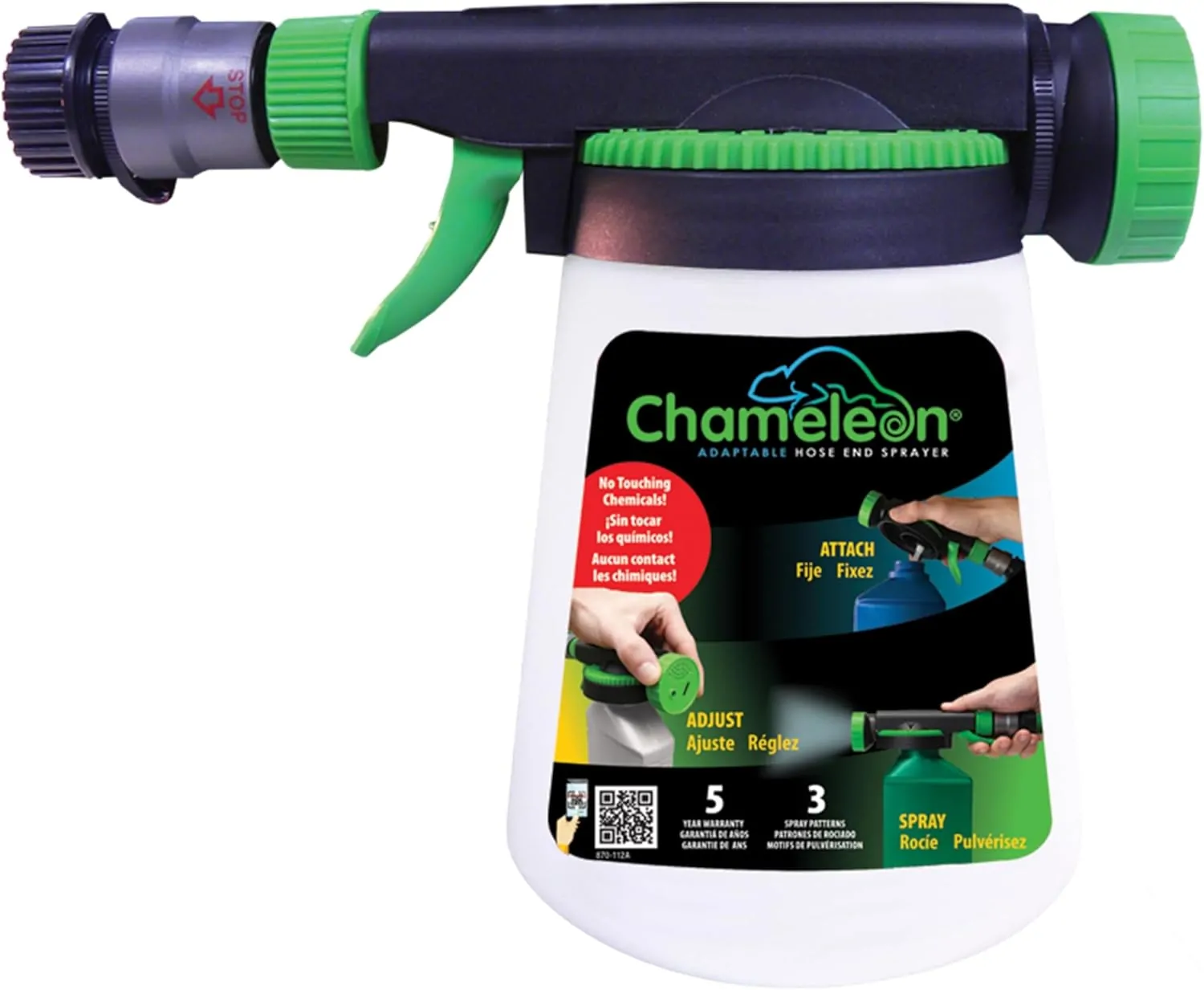
RL Flo-Master Chameleon Sprayer
The RL Flo-Master Chameleon Sprayer comes with an adjustable mixing dial, three spray patterns, a quick connect system, and a 32-ounce bottle for easy and controlled garden chemical application. It removes the need for manual mixing, lowers direct chemical contact, and works with fertilizers, weed killers, fungicides, and insecticides, making it a versatile tool for different gardening tasks. In my experience, it feels comfortable to use, provides an even spray, but performs better with diluted liquids and may have some difficulty with thicker fertilizer solutions.
expert start
What Is It and Its Features
The RL Flo-Master Chameleon Hose End Sprayer is a hose-connected sprayer that automatically combines water with liquid garden chemicals. It removes the need for manual mixing, measuring, or pouring, making gardening work simpler and safer. The adjustable dial allows you to set the mixing ratio from 1 teaspoon to 8 ounces per gallon, providing flexibility for different products. It also includes a quick-connect inlet that allows fast attachment to the hose. One feature I found useful is that it helps reduce direct contact with chemicals, which is especially important when applying strong fertilizers or pesticides.
Why It Matters
The RL Flo-Master Chameleon Hose End Sprayer is important because it saves time and reduces effort while making gardening safer. Instead of preparing chemical mixtures separately, this sprayer automatically mixes the solution while you spray. This makes it very useful for larger gardens, lawns, and farming areas. In my experience, it helped make fertilizer and insect killer applications faster and more uniform. It also lowers the chances of chemical spills or direct contact, which benefits both beginners and experienced gardeners.
My Set-Up And My Experience
I attached the RL Flo-Master Chameleon Hose End Sprayer to my garden hose using the quick-connect feature, and the setup was simple and completed within seconds. I added liquid fertilizer into the bottle and adjusted the dial according to the product requirements. During spraying, I found the trigger comfortable, even during extended use. The spray patterns performed well—fan spray covered larger areas, shower spray provided gentle coverage for plants, and stream spray helped reach slightly higher areas. However, I noticed that thicker liquid fertilizers reduced the flow speed, and the bottle did not empty completely unless the solution was diluted with water. I also experienced a minor fitting issue with my brass hose connector, but it worked properly with standard plastic fittings.
Performance
The RL Flo-Master Chameleon Hose End Sprayer provides good performance for common gardening activities, including plant feeding, pest control, and fungicide application. It produces a consistent and balanced spray, helping cover plants effectively. The adjustable dial is a useful feature, but finding the correct mixing setting may require some adjustment, especially with thicker or organic solutions. The sprayer works best for low to medium height plants because the stream spray does not reach very high—around 5 feet based on my experience. For taller trees, a more powerful sprayer may be required. Overall, it provides dependable performance without leakage during regular use and offers good value for everyday gardening needs.
Practical Tips
- Always dilute thick fertilizers before using the RL Flo-Master Chameleon Hose End Sprayer
- Test the spray pattern before applying chemicals to plants
- Use shower mode when spraying delicate plants
- Clean the bottle after every use to prevent clogging
- Check the hose connection properly to avoid leakage
expert end
pro start
| Pros | Cons |
|---|---|
| ✔️ Easy connection with the quick-connect system | ❌ Not ideal for spraying tall trees |
| ✔️ Comfortable trigger design for extended use | ❌ Can struggle with thicker liquid fertilizers |
| ✔️ Includes three useful spray patterns | ❌ Plastic connector may not work with some brass hoses |
| ✔️ Helps reduce direct chemical contact | ❌ Mixing dial requires practice for accurate adjustment |
| ✔️ Suitable for regular garden spraying tasks | ❌ Does not include an additional storage bottle |
pro end
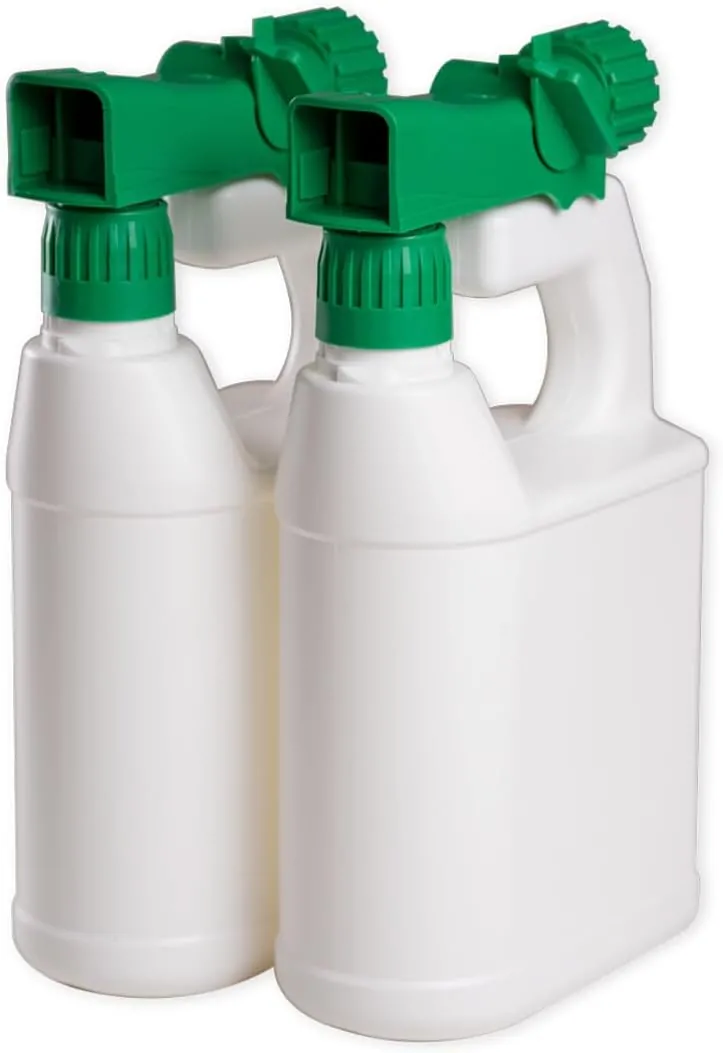
Andersons Refillable Multipurpose End Sprayer
The Andersons Hose-End Sprayer comes with a 32oz refillable bottle and a 20:1 ratio that provides broad and consistent liquid coverage. Its K1 spray head offers simple control with three options: off, water only, or water mixed with product, helping users apply lawn and garden treatments accurately. From my experience, this sprayer is simple to operate, dependable, reduces clogging problems, saves valuable time, and makes gardening tasks more efficient.
expert start
What Is It and Its Features
The Andersons Refillable Multipurpose Hose-End Sprayer 32oz is a versatile garden sprayer made for different lawn and garden applications. The bottle can hold 32 ounces of liquid and attaches easily to a regular garden hose. Its K1 spray head includes three settings: off, water only, and water plus product. These options give you complete control over spraying plain water, applying a mixed solution, or stopping the spray completely. The 20:1 spray ratio helps deliver a balanced and even application over a large area.
The clear bottle design allows you to check the remaining liquid level easily, while the refillable feature makes it suitable for repeated use. Compared with many dial-based sprayers, this model provides stronger pressure for a longer and more effective spray, helping reduce the time required for garden treatments. It works effectively with fertilizers such as Doc’s Super Juice, insecticides, and other soluble liquid products, making it useful for many gardening needs.
Why It Matters
The Andersons Refillable Multipurpose Hose-End Sprayer 32oz is valuable because it makes lawn and garden maintenance faster and easier. Many gardeners face issues like uneven spraying or sprayers that become blocked frequently. This model addresses these problems by offering a steady spray pattern and a design that helps minimize clogging. The 32-ounce bottle capacity means fewer refills, while the transparent container helps prevent excessive product use and accidental spills.
It also makes it easier to mix and apply concentrated products, helping reduce costs compared with ready-to-use options. Because it distributes liquids evenly, fertilizers and pest control products can reach plant leaves and soil more effectively, supporting healthier growth and improved lawn quality. Its flexible use and simple operation make it a useful choice for gardeners who want reliable performance.
My Set-Up and My Experience
I have used the Andersons Refillable Multipurpose Hose-End Sprayer 32oz for different gardening activities, and it has improved my overall spraying routine. Usually, I add liquid fertilizer or insecticide solution into the bottle, connect it with my garden hose, and begin application. The adjustable settings are very convenient because I can choose plain water spraying or combine water with fertilizer depending on the requirement.
The sprayer feels comfortable to use, and the 32oz bottle capacity is suitable because it reduces the need for constant refilling. I like that it produces a strong and consistent spray without frequent clogging, even when working with thicker solutions. Its simple design makes cleaning easy after use. Overall, this sprayer has reduced my workload and helped me achieve more uniform garden care results.
Performance
The Andersons Refillable Multipurpose Hose-End Sprayer 32oz delivers excellent performance during regular lawn and garden applications. The K1 spray head produces a smooth and wide spray pattern that allows large areas to be covered quickly. One feature I found especially useful is its extended reach, which helps treat difficult areas of the garden without unnecessary bending or stretching. The 20:1 ratio maintains the correct balance between water and product, ensuring proper application.
During use, I experienced no leakage issues, and the trigger and dial controls worked smoothly without getting stuck. Compared with other hose-end sprayers I have tried, this model provides more stable pressure and better spray consistency. Whether applying fertilizer, controlling pests, or watering plants, it performs reliably and efficiently.
Practical Tips
- Always check product labels for proper mixing instructions.
- Use warm water to help products dissolve more effectively.
- Filter liquids before use to reduce the chance of clogging.
- Begin spraying at a slower speed and adjust the dial when required.
- Clean and rinse the sprayer after every use for better durability.
expert end
pro start
| Pros | Cons |
|---|---|
| ✔️ Wide spray pattern helps cover bigger areas quickly. | ❌ The safety latch can be difficult for some beginners to operate. |
| ✔️ Connects easily with standard garden hoses without requiring extra tools. | ❌ The bottle does not include measurement markings for exact mixing. |
| ✔️ Multiple settings provide options for water only, product only, or mixed spraying. | ❌ Liquid visibility is limited from the handle side of the bottle. |
| ✔️ Strong plastic construction provides long-lasting seasonal use. | ❌ Thick solutions may cause clogging because it is designed mainly for soluble liquids. |
| ✔️ Clear bottle allows users to check liquid quantity during application. | ❌ The bottle capacity may require more refills when treating very large lawns. |
pro end
Simple Green Outdoor Odor Eliminator Hose Sprayer
Simple Green Outdoor Odor Eliminator removes pet odors from grass, artificial turf, and garden spaces with the help of natural enzymes. The hose-end sprayer or watering can makes it easy to treat lawns, patios, and outdoor areas with complete coverage. Regular application helps maintain clean and fresh-smelling gardens and lawns without causing damage to plants or grass.
expert start
What is it and its Features
Simple Green Outdoor Odor Eliminator for Pets is a specially designed outdoor spray that helps remove unpleasant smells caused by urine, stool, vomit, and other organic matter. It comes in a 32 oz milky white bottle with a hose-end attachment, allowing users to cover large outdoor areas quickly and easily. The formula contains natural enzymes and microbes that break down odor sources instead of simply hiding them with artificial fragrances. This makes it a safe choice for pets, plants, and outdoor surfaces. The fresh floral scent helps create a cleaner and more pleasant environment. It can be applied on grass, artificial turf, gravel, concrete, brick, and many other outdoor surfaces.
Using this product is simple and convenient. Shake the bottle properly before use, attach it to a garden hose, turn on the water, and spray the affected area completely. For stronger odors, you may repeat the treatment or gently scrub the surface with a brush. The enzymes and microbes continue working after application by breaking down the materials responsible for odors. This helps keep gardens, lawns, and outdoor spaces fresh for a longer period.
Why it Matters
Maintaining a fresh and odor-free garden or yard is essential for enjoying outdoor spaces comfortably. Pet odors can remain on grass, turf, patios, and other surfaces, reducing the enjoyment of your outdoor area. Simple Green Outdoor Odor Eliminator for Pets helps solve this issue by targeting and removing the odor source instead of only covering it with fragrance. It is especially useful for homes with pets or children who regularly play outside.
This product is valuable because it offers a combination of safety, effectiveness, and ease of use. Some chemical odor removers may affect plants or create discomfort for pets, but this spray provides a gentler solution. It works well for patios, decks, dog areas, and other places where unwanted smells can build up. Regular use helps maintain a clean, comfortable, and welcoming outdoor environment without harsh chemical odors.
My Set-Up and My Experience
I tested Simple Green Outdoor Odor Eliminator for Pets in a small side yard measuring around 200 square feet where my dogs usually relieve themselves. Because I live in an apartment, I used a watering can with a one-to-one mixture of product and water instead of attaching it to a hose. This method worked well and helped me apply the solution evenly across the entire area.
In my experience, the product is very simple to use. The floral fragrance is light and pleasant without being too strong like many chemical sprays. After the first application, I noticed that the unpleasant odors disappeared completely. Using it occasionally every few months helps maintain a fresh-smelling area. I also appreciate that it is safe for grass, turf, and pets. Overall, it performed better than I expected and proved useful for maintaining a clean outdoor space.
Performance
Simple Green Outdoor Odor Eliminator for Pets delivers strong performance by using enzymes and microbes to break down odor-causing materials. After application, it continues working to provide long-lasting odor control. Even in areas used regularly by multiple dogs, applying enough product helped remove unwanted smells effectively. Unlike some other odor removers, it does not leave behind an overpowering chemical fragrance. The spray distributes easily, and the hose attachment makes it practical for treating larger gardens, lawns, and patios. It performs well for both small and medium-sized outdoor areas.
Practical Tips
- Shake the bottle thoroughly before applying to distribute enzymes evenly.
- Clean solid waste from the area before spraying for better results.
- Use a watering can with a diluted solution when treating smaller spaces.
- Apply the spray generously and allow it to work for a few minutes for deeper odor removal.
- Repeat the treatment in areas with heavy buildup or persistent odors.
expert end
pro start
| Pros | Cons |
|---|---|
| ✔️ Removes pet odors by targeting the source instead of only covering smells. | ❌ Needs a water connection when using the hose-end sprayer method. |
| ✔️ Safe for grass, artificial turf, gravel, and patio surfaces. | ❌ Strong odors may require more than one application. |
| ✔️ Pleasant floral scent keeps outdoor areas fresh. | ❌ The bottle size may not be enough for very large spaces. |
| ✔️ Simple application with the included hose-end sprayer. | ❌ Works best when solid waste is removed before treatment. |
| ✔️ Provides long-lasting odor control with little effort. | ❌ Mixing the correct dilution for watering cans may require some practice. |
pro end
Ortho Dial N Spray Hose End
Ortho Dial N Spray comes with 14 dilution settings, three spray options, and accurate liquid control for different garden applications. Its comfortable trigger, rotating hose connector, and anti-backflow protection make gardening tasks easier, safer, and more efficient. During testing, it provided steady spraying, even coverage, accurate pH adjustment, and helped make lawn and garden care quicker and simpler.
expert start
What Is It and Its Features
The Ortho Dial N Spray Hose-End Sprayer is a hose attachment designed to apply liquid products like fertilizers, weed killers, insecticides, and fungicides directly from the bottle without requiring separate mixing or measuring. It includes three spray patterns—Shower, Jet, and Broadcast—so you can choose the right option for different gardening needs, from watering delicate plants to covering large lawn areas.
The sprayer offers 14 dilution settings, from 1 teaspoon to 8 ounces per gallon, allowing accurate control over product concentration. It features an ergonomically designed trigger, an extended-grip handle for comfortable use, and a rotating hose connector that makes installation simple. The built-in anti-backflow device helps prevent contaminated water from entering your home water supply, providing additional safety during garden applications.
Why It Matters
The Ortho Dial N Spray Hose-End Sprayer is useful because it makes liquid garden treatments easier and more accurate. In the past, applying liquid products often required manual measuring and mixing, which could take extra time and increase the risk of applying too much or too little product. This sprayer helps deliver the correct amount consistently, supporting healthier plant growth and better lawn care results. Its multiple spray patterns allow it to handle different garden areas, while the anti-backflow feature adds protection for your water system. Overall, it is a practical tool that saves effort, minimizes application errors, and improves gardening efficiency.
My Set-Up and My Experience
I mainly use the Ortho Dial N Spray Hose-End Sprayer in my garden for applying liquid fertilizers and managing pH levels for container plants. The setup process is very simple. I connect it to my garden hose, select the required dilution setting, and choose the spray pattern that matches my task. I first tested it with a pH Down solution to reduce the pH of my alkaline tap water, and the results were impressive. The sprayer maintained a consistent pH level of 6.7, and the adjustment dial helped me fine-tune it to 6.4, which was suitable for better plant growth.
I also tested it with Image Weed Killer on my lawn. The measurements were accurate, the spray coverage was uniform, and the hose connection remained secure without any blockage. The first unit had a small leak near the swivel area, but after contacting the company, I received a replacement that has performed very well. The sprayer feels durable, remains comfortable during use, and provides strong water flow, making it suitable for treating larger garden spaces quickly.
Performance
The Ortho Dial N Spray Hose-End Sprayer delivers strong and reliable performance. Each spray setting locks into position properly, and the powerful flow helps cover larger areas in less time. The spray pattern remains even, clogging is rare, and the anti-backflow system functions effectively. Even after using it in warm and humid weather without immediate cleaning, it continued working properly after a simple rinse. Compared with other handheld sprayers I have used, this model provides better power and more consistent liquid measurement. It works well for spraying flowers, treating trees, and controlling weeds, making it a dependable choice for different gardening tasks.
Practical Tips:
- Clean the sprayer with fresh water after every use to prevent product residue from building up.
- Select the correct spray pattern according to your needs: Shower for delicate plants, Jet for reaching higher areas,
- Broadcast for covering larger spaces.
- Adjust the 14 dilution settings carefully to prevent over-application and maintain plant health.
- Keep the sprayer stored indoors during very hot weather to increase its working life.
- Always use garden chemicals carefully and follow the product label instructions.
expert end
pro start
| Pros | Cons |
|---|---|
| ✔️ Connects easily with standard garden hoses. | ❌ Some first-use units may experience leakage around the swivel area. |
| ✔️ Provides 14 dilution settings for accurate application. | ❌ The plastic body may not feel as strong after long-term heavy use. |
| ✔️ Offers three spray patterns for different gardening tasks. | ❌ Regular cleaning is needed to maintain proper performance. |
| ✔️ Comfortable ergonomic design reduces hand fatigue. | ❌ Designed only for liquid applications. |
| ✔️ Anti-backflow protection helps keep the home water system safe. | ❌ Strong water flow may not be ideal for very small or sensitive plants. |
pro end
Best Tank Garden Sprayers Recommended in 2026
Choosing the right tank sprayer can greatly improve your gardening experience and make spraying tasks easier. I have tested and reviewed different sprayers for fertilizer application, weed control, and pest management.
Chapin 97154 Tank Sprayer
Powerful 12V diaphragm pump with a 15-gallon tank provides steady pressure, excellent coverage, and efficient spraying for fertilizers, weeds, and pest control. Its triple filtration system, adjustable nozzle, long hose, and large tank opening help prevent clogging, make filling easier, and provide flexible spraying options. In my experience, it delivers smooth spraying, covers large areas quickly, does not leak, and makes gardening work much simpler.
expert start
What Is It and Its Features
The Chapin 97154 Tank Sprayer is a high-capacity ATV/UTV-mounted sprayer built for large-area gardening tasks. It comes with a 15-gallon translucent tank that lets you check the liquid level easily during operation. A major advantage of this sprayer is its 12V 1.0 GPM diaphragm pump, which eliminates the need for manual pumping and maintains stable pressure while spraying. It also features a triple filtration system, including a basket filter, in-tank filter, and shut-off filter, which helps reduce clogging problems when applying different gardening solutions.
During my use, this filtration system helped maintain a smooth and uninterrupted spray flow. The 6-inch wide tank opening is another practical feature because it makes filling, mixing, and cleaning much more convenient. The 15-foot reinforced hose and 18-inch wand provide extra reach, allowing you to spray plants, fence areas, and difficult corners without constantly repositioning the machine. It can also be easily attached to an ATV, UTV, or lawn tractor, making it a suitable choice for larger gardens and outdoor areas.
Why It Matters
The Chapin 97154 Tank Sprayer is valuable for gardeners who want to reduce effort and complete spraying tasks faster while achieving professional-quality results. From my experience, using a manual sprayer over large areas can become exhausting because constant pumping takes extra time and energy. This sprayer solves that issue with its powered pump system, which provides continuous pressure and helps deliver an even spray for better fertilizer and pesticide application.
The 15-gallon tank capacity is another important benefit because it allows you to cover larger lawns and gardens without stopping frequently for refilling. The filtration system also plays a key role by helping the sprayer operate smoothly without frequent blockages. In my experience, these features saved time and improved overall efficiency. It is especially helpful for gardeners who regularly need dependable spraying equipment for different applications.
My Set-Up And My Experience
I installed the Chapin 97154 Tank Sprayer on my lawn tractor, and the installation process was straightforward. The EZ mount system helped secure the sprayer properly, while the included wiring connected easily to the battery. I found the built-in on/off switch very convenient because it allowed quick control during spraying. When I started using it, the pump worked smoothly and automatically switched on and off according to pressure requirements, which made operation more efficient. I mainly used it for weed management and liquid fertilizer spraying, and it performed well for both tasks.
The spray distance was impressive, and I could cover larger areas without moving around frequently. I also noticed that the hose connections and fittings remained leak-free, showing good construction quality. One minor drawback I noticed was that the suction hose inside the tank could be a little longer to help use the remaining liquid completely, but this did not significantly affect performance. Overall, my experience with this sprayer was very positive, and it made routine gardening jobs much easier.
Performance
The Chapin 97154 Tank Sprayer offers reliable and effective performance for different gardening applications. Its 1.0 GPM diaphragm pump produces enough pressure to spray up to approximately 10 feet, which helps reach plants, borders, and hard-to-access areas. The adjustable nozzle allows you to change the spray pattern between a fine mist and a stronger stream based on the requirement. This feature is useful when handling different plants and treatment solutions.
The triple filtration system performed effectively during my use, and I did not face clogging problems even while applying thicker mixtures. The pump maintained consistent pressure, which helped provide uniform coverage throughout the garden. I also liked that the pump operated quietly and smoothly during use. Overall, this sprayer provides dependable performance and makes large gardening projects easier to manage.
Practical Tips
- Always filter your spraying solution before adding it to the Chapin 97154 Tank Sprayer to improve performance
- Adjust the nozzle according to the spray requirement and plant type
- Clean the tank and filters after every use to prevent buildup and clogging
- Securely mount the sprayer on an ATV or tractor to avoid movement during operation
- Inspect the battery connection before use to ensure smooth pump performance
expert end
pro start
| Pros | Cons |
|---|---|
| ✔️ Large 15-gallon tank helps cover wide gardening areas efficiently | ❌ Suction hose inside the tank could be longer |
| ✔️ Powerful 12V pump eliminates the need for manual pumping | ❌ Some users may find small manufacturing debris inside the tank |
| ✔️ Triple filtration system helps prevent clogging problems | ❌ Boom attachment is not included for extra-wide spraying |
| ✔️ Long hose and wand provide better reach and spraying flexibility | ❌ Needs a battery connection to operate |
| ✔️ Durable construction with reliable leak-free performance | ❌ Can feel bulky for very small garden spaces |
pro end
Petratools 1 Gallon Pump Sprayer
The Petratools 1-gallon sprayer is a strong and lightweight model that includes a 52-inch hose, adjustable and fan nozzles, built-in filters, and a pressure release valve for safer use. Its ergonomic handle, clear tank design, and wide filling opening make it simple to fill, operate, and maintain steady pressure. Based on my experience, it provides smooth spraying performance, dependable pressure control, and comfortable handling, making weed removal and fertilizer application easier.
expert start
What Is It and Its Features
The Petratools HD101 is a manual 1-gallon pump sprayer made for small and medium gardening jobs. It comes with a 52-inch hose and a 16-inch spray wand, allowing you to reach plants more easily without frequently moving the tank. The sprayer includes two nozzle options—a flexible adjustable nozzle for changing spray patterns and a fan tip nozzle for covering larger areas. The tank is built from durable plastic with a translucent design, allowing you to quickly check the remaining liquid level. It also features a wide funnel-style opening that makes filling and mixing solutions easier with less mess. The built-in pressure release valve improves safety by removing extra pressure before opening the tank. Internal filters help reduce clogging problems, especially when applying fertilizers or pesticide mixtures.
Why It Matters
The Petratools HD101 is useful because it makes spraying work more convenient, safe, and effective. Many low-quality sprayers can develop leaks, blockages, or pressure problems during use, which can waste time and materials. During my testing, this sprayer maintained steady pressure and provided smooth spraying performance even during extended use. Its lightweight body helps reduce hand strain, while the ergonomic handle makes pumping easier. The safety valve is also a valuable feature because it lowers the risk of sudden pressure release when opening the tank. For gardeners who frequently apply weed killers, fertilizers, or pest control solutions, a dependable sprayer like this can improve efficiency and safety.
My Set-Up And My Experience
I mostly used the Petratools HD101 for applying liquid fertilizers and controlling weeds in my garden. The setup process was simple. I filled the tank through the wide opening, prepared my solution, and started pumping. The handle felt comfortable and durable, even after multiple pumping cycles. The extended hose provided better flexibility, allowing me to spray different areas without carrying the tank constantly. The adjustable nozzle was one of my favorite features because it allowed me to change between a gentle mist for sensitive plants and a stronger spray for weeds. During my use, the sprayer worked without leaks and maintained pressure effectively. The only minor drawback was the wand length, which felt slightly short when working on lower areas. However, for regular home gardening activities, it performed very well.
Performance
The Petratools HD101 offers reliable and consistent performance for everyday gardening needs. The sprayer reaches working pressure quickly and maintains it long enough for small garden areas without repeated pumping. The different nozzle settings provide flexibility—the fine mist option is suitable for delicate plants and foliar applications, while the stronger stream helps target weeds. The fan nozzle is helpful when covering wider sections such as lawns or garden beds. The built-in filter system improves reliability because it helps prevent clogging when using different liquid solutions. The pressure release valve also adds convenience by making the sprayer safer and easier to handle after spraying. Overall, it performs better than many basic entry-level sprayers.
Practical Tips
- Clean the sprayer after every fertilizer or pesticide application to avoid blockages
- Select the mist setting when spraying delicate plants to reduce possible damage
- Pump at a steady pace to keep spray pressure consistent
- Inspect and clean the filter regularly for better operation
- Release built-up pressure before opening the tank for safer handling
expert end
pro start
| pros | Cons |
|---|---|
| ✔️ Lightweight construction makes it comfortable to carry during extended gardening work | ❌ The spray wand length may not provide enough reach for very low areas |
| ✔️ Adjustable nozzle allows different spray patterns for various applications | ❌ Does not include a padded shoulder strap for additional carrying comfort |
| ✔️ Long hose improves reach and reduces the need to move the tank frequently | ❌ Plastic construction may feel less premium compared with metal sprayer models |
| ✔️ Wide opening makes filling and preparing mixtures quick and simple | ❌ Manual pumping is required to create spray pressure |
| ✔️ Pressure release valve provides improved safety during operation | ❌ Not designed for large-scale gardens or professional heavy-duty spraying |
pro end
SideKing Battery Powered Backpack Tank
The 0–100 PSI adjustable pressure system, 4 gallon tank, and Makita compatible battery provide smooth and effective spraying for different gardening needs. It comes with a telescopic stainless steel wand, five nozzles, extended battery performance, and a digital display for better control. In my experience, it provides uniform spraying, reduces manual effort, saves time, and works well for large lawn applications with dependable overall performance.
expert start
What Is It and Its Features
The SideKing 4 Gallon Battery Powered Backpack Sprayer is an electric sprayer designed for gardening, lawn maintenance, and basic cleaning jobs. Its 4-gallon tank capacity makes it suitable for medium to large garden areas. The sprayer uses an 18V battery system and supports Makita batteries, making it a useful option for users who already have compatible batteries. It offers adjustable pressure between 0 and 100 PSI, allowing users to select the right spray strength for different applications. The stainless steel telescopic wand makes it easier to reach distant areas without unnecessary bending, while the 5 included nozzles provide different spray options. It also features a digital voltage display and automatic shut-off protection to help maintain battery safety.
Why It Matters
This sprayer is valuable because it reduces the time and physical work needed for gardening tasks. Manual pump sprayers can become exhausting when covering large areas, but this battery-powered model makes the process much easier. Its strong pressure helps provide better coverage when applying pesticides, herbicides, and fertilizers, leading to more effective results. The adjustable pressure control gives users better accuracy, helping avoid chemical waste and protecting sensitive plants. Based on my experience, using a dependable sprayer like the SideKing Backpack Sprayer makes regular garden maintenance easier, quicker, and more consistent.
My Set-Up And My Experience
Setting up the SideKing Battery Backpack Sprayer was quick and straightforward. Most components connected easily, and I was able to prepare it for use within a few minutes. I tested it on my lawn while applying herbicide and insecticide. The first thing I noticed was the strong spraying power, especially when using the highest pressure setting. I used the yellow nozzle, which produced a fine mist and provided even coverage throughout the lawn. The telescopic wand was also useful because it reduced the need for bending or reaching.
The battery performance was impressive, running for nearly two hours and allowing several tank refills during my work. I did notice a minor leak from the hose connection during the first use, but it was fixed after tightening the connection properly. A completely filled 4-gallon tank can feel heavy, but the padded shoulder straps helped make carrying it more comfortable. Overall, my experience has been very satisfying, and it feels like a reliable choice for regular gardening activities.
Performance
The SideKing 4 Gallon Electric Sprayer delivers efficient and reliable performance during use. The adjustable pressure control makes it easy to switch between a gentle mist for plants and a stronger spray for weed control. Depending on the selected nozzle, the spray distance can reach around 10–25 feet. I found that it covers larger areas faster than traditional manual sprayers, helping save considerable time. The motor operates smoothly and maintains consistent pressure without frequent interruptions. The battery provides enough power for multiple spraying jobs in a single session. The included nozzles are practical for different applications, including fine mist, fan spray, and direct spraying. Overall, it offers dependable performance for everyday gardening requirements.
Practical Tips
- Check the nozzle and hose connections before starting to prevent possible leaks.
- Choose a lower pressure setting when spraying delicate plants to avoid damage.
- Fully charge the battery before beginning large spraying projects.
- Place the tank on a raised surface before lifting it onto your back.
- Wash and clean the tank and nozzle after every use for better long-term performance.
expert end
pro start
| Pros | Cons |
|---|---|
| ✔️ Powerful 0–100 PSI pressure provides effective spraying | ❌ A full tank may become heavy during extended use |
| ✔️ Works with Makita batteries for added convenience | ❌ Hose connection may leak initially if not properly tightened |
| ✔️ Good battery life for longer gardening sessions | ❌ Backpack design may not suit users with larger body sizes |
| ✔️ Includes multiple nozzles for different spraying tasks | ❌ Hose length may be slightly limited for some applications |
| ✔️ Padded straps improve comfort while carrying | ❌ May need initial priming before achieving smooth spraying |
pro end
Roundup 190260 2-Gallon Lawn Sprayer
The Roundup 190260 Sprayer delivers stable pressure and includes three flexible nozzles for accurate weed and pest control applications. Its durable 2-gallon poly tank, comfortable handle, lockable shut-off system, and leak-resistant seals provide safe, dependable, and efficient spraying performance for long-term use. During my testing, I found the Roundup 190260 Sprayer simple to operate, comfortable to use, and effective for different garden maintenance tasks.
expert start
What is it and its Features
The Roundup 190260 2-Gallon Lawn and Garden Sprayer is a manual pump sprayer designed for small to medium-sized gardening jobs. It features a strong 2-gallon poly tank that can handle regular applications of garden chemicals. A major advantage of this sprayer is its simple one-step assembly process. You only need to fill the tank, pump it to create pressure, and begin spraying. The comfortable grip handle and lockable shut-off valve make extended spraying easier by allowing continuous operation without constant hand pressure.
Another useful feature is the three included nozzle options. The adjustable nozzle allows you to change between a fine mist and a focused stream, making it suitable for sensitive plants and precise weed treatments. The flat fan nozzle helps spray wider areas efficiently, such as lawns and garden beds. The foaming nozzle makes sprayed areas easier to identify, which is especially helpful when treating weeds around borders, pathways, or cracks. It also includes a pressure release cap that safely removes built-up pressure before opening the tank, improving overall user safety.
Why It Matters
The Roundup 190260 2-Gallon Lawn and Garden Sprayer is valuable for gardeners because it provides better control during plant care and weed management. When applying fertilizers, insecticides, or herbicides, accurate application is essential. This sprayer helps distribute solutions evenly, reducing chemical waste and lowering the risk of harming plants through excessive application.
In my regular gardening work, using a dependable sprayer like this saves time and reduces physical effort. The consistent pressure helps deliver spray exactly where it is required without frequent pumping. The multiple nozzle options also make it a versatile tool for different gardening needs. Whether treating insect problems on plants or applying weed control solutions in unwanted areas, it allows faster and more efficient work. It can also be used with concentrated mixtures, helping reduce costs and minimize unnecessary chemical usage over time.
My Set-Up and My Experience
Preparing the Roundup 190260 2-Gallon Lawn and Garden Sprayer was quick and straightforward. The assembly process only required a few minutes, and the wide tank opening made filling easier while reducing the chance of spills. I normally prepare my fertilizer or weed control mixture directly inside the tank and then pump the handle to build pressure. The pumping mechanism operates smoothly and needs fewer pumps compared with some older sprayers I have worked with.
During practical use, I found this sprayer dependable and comfortable. The wand feels strong, and the hose provides enough length for moving around plants without difficulty. The lockable trigger was one of my favorite features because it allowed continuous spraying without keeping my hand pressed on the trigger. The only minor issue I noticed was that the sprayer becomes heavier when filled completely, especially during extended spraying sessions. However, this is normal for a 2-gallon tank. Overall, it has provided reliable performance and completed my gardening tasks without leakage or major problems.
Performance
The Roundup 190260 2-Gallon Lawn and Garden Sprayer performs well during different gardening applications. Its pressure remains steady, which helps maintain uniform coverage when spraying plants or controlling weeds. I tried each of the three nozzles, and all performed effectively for their intended purposes. The adjustable nozzle works well for both gentle misting and stronger spray streams, while the flat fan nozzle makes covering larger spaces much quicker.
This sprayer is also effective for pest management. I used it for applying insecticide to vegetable plants, and the fine mist provided good leaf coverage without excessive dripping. For weed treatment, the targeted stream allowed precise application while protecting nearby plants. The durable seals are another positive feature because they help prevent leaks even after repeated use with different solutions. Overall, it is a reliable gardening tool that maintains consistent performance across various spraying tasks.
Practical Tips
- Always release pressure before opening the Roundup 190260 Sprayer to prevent unexpected spray release.
- Choose the adjustable nozzle for sensitive plants to avoid excessive spraying or possible damage.
- Wash the tank and nozzle after each use to maintain smooth operation and prevent blockages.
- Avoid filling the tank beyond its limit to improve carrying comfort during longer spraying jobs.
- Use the foaming nozzle for weed applications because it helps identify already treated areas.
expert end
pro start
| Pros | Cons |
|---|---|
| ✔️ Provides strong and steady pressure for uniform spraying | ❌ Can become heavy when filled with the full 2-gallon capacity |
| ✔️ Includes three practical nozzles for various applications | ❌ Small nozzle components may get lost without proper storage |
| ✔️ Comfortable handle and lock feature support longer spraying sessions | ❌ Instructions may not be very beginner-friendly |
| ✔️ Simple setup process and easy operation | ❌ Understanding the lock system may require some initial adjustment |
| ✔️ Strong construction with reliable leak-resistant seals | ❌ Manual pumping can become tiring when covering very large areas |
pro end
Mayoki 3Gallon Garden Tank
The Mayoki 3-Gallon Sprayer features adjustable pressure, seven nozzles, and a spray distance of up to 25 feet, making it suitable for different gardening tasks. It is battery-powered and works with Dewalt 20V batteries, providing reliable performance, low-voltage protection, and simple liquid-level monitoring through its translucent tank. During my use, I covered large areas faster, sprayed tall trees with ease, and completed mosquito control tasks without experiencing hand fatigue.
expert start
What Is It and Its Features
This Mayoki 3-Gallon Lawn Garden Sprayer is a battery-powered backpack sprayer designed to make garden care easier. It comes with a 3-gallon translucent tank that allows users to quickly check water or liquid levels. The sprayer supports Dewalt 20V MAX batteries, and the included 2.0Ah battery can operate for up to 11 complete tanks on a single charge. It includes two spray wands, seven nozzles, and an adjustable rod that extends between 20 and 38 inches, helping users spray difficult-to-reach areas comfortably.
The sprayer provides adjustable pressure up to 79 PSI with a flow rate of 0.33 gallons per minute, making it suitable for lawns, plants, and weed control applications. Its lightweight construction, padded back support, and wide shoulder straps improve comfort during longer spraying sessions. The handle includes a lock ring that allows continuous spraying without constant pressure on the trigger. Low voltage protection helps protect the battery, and every unit is leak-tested before leaving the factory. A five-year warranty also provides additional reliability.
Why It Matters
The Mayoki 3-Gallon Lawn Garden Sprayer is useful because it helps make gardening tasks quicker, simpler, and more accurate. Traditional hand pump sprayers and hose-end sprayers often do not provide enough pressure, distance, or comfort when working on larger areas, trees, or thick shrubs. With this sprayer, I was able to cover wider spaces in less time, apply liquids more accurately, and avoid the tiredness caused by repeated manual pumping. The low voltage protection and built-in filtration system also improve safety and help protect the equipment. For homeowners and gardeners who want better control and efficiency, this sprayer offers a good combination of power, portability, and ease of use.
My Set-Up and My Experience
Setting up the Mayoki 3-Gallon Lawn Garden Sprayer was quick and straightforward. I connected my Makita battery, filled the translucent tank with water, and attached the stainless steel wand for extended spraying distance. The wide-mouth opening made filling the tank simple and prevented unnecessary spills. I mainly used it for applying mosquito control liquids with the SUMMIT Mosquito and Gnat Barrier product. Compared with handheld sprays such as Cutter Backyard Mosquito Repellent, this sprayer covered the same area in nearly half the time. The spray distance reached around 25 feet and worked much better for reaching bushes and trees.
The shoulder straps can be attached when needed, but I found the sprayer comfortable even without using them. The adjustable pressure settings and different nozzle options allowed me to easily switch between a powerful stream and a fine mist based on the requirement. The battery maintained strong performance after multiple uses, and I did not notice any leakage. Overall, it reduced effort and made spraying more controlled and efficient.
Performance
The Mayoki 3-Gallon Lawn Garden Sprayer delivers strong performance for many gardening applications. The spray output is steady and powerful enough to reach tall branches and thick shrubs. The pressure adjustment and flow control work accurately, helping users apply the correct amount of liquid.
I used this sprayer for weed control, plant watering, and mosquito spraying, and it handled each task effectively. The variety of nozzles and adjustable wand made changing spray patterns and distances simple. During use, I did not face clogging, leakage, or battery-related problems. Its balanced design and lightweight body make longer spraying sessions more comfortable. The extended battery life also allows users to complete multiple jobs without frequent charging. Overall, it performs according to its features and works as a dependable tool for both residential and professional gardening needs.
Practical Tips
- Use the stainless steel wand when spraying trees and tall shrubs that require extra reach.
- Fill the translucent tank carefully to prevent spills and easily check liquid levels.
- Choose the correct pressure setting: use lower pressure for sensitive plants and higher pressure for weeds or mosquito control.
- Clean the nozzles after every use to avoid blockage and maintain consistent spraying.
- Keep the battery stored separately in a cool and dry location to extend battery performance.
expert end
pro start
| Pros | Cons |
|---|---|
| ✔️ Lightweight design makes it easy to carry | ❌ Tank measurement markings are difficult to see |
| ✔️ Strong spray performance with up to 25 feet reach | ❌ Battery performance may decrease if it is not completely charged |
| ✔️ Works with Dewalt 20V MAX batteries | ❌ 3-gallon tank may require refilling when covering very large areas |
| ✔️ Several nozzles provide different spray options | ❌ Plastic wand may not handle some heavy-duty cleaning jobs |
| ✔️ Padded support and shoulder straps improve comfort during use | ❌ Not recommended for corrosive chemicals |
pro end
Understanding The Main Sprayer Types
Not every hose end sprayer works in the same way, and tank sprayers also vary considerably. I therefore separated the equipment into practical categories before comparing individual specifications.
Among hose end sprayers, I considered fixed-ratio models, adjustable-dial models and designs with interchangeable or preset metering arrangements. A fixed-ratio sprayer could be straightforward for a compatible treatment requiring its specified dilution. An adjustable model offered more flexibility, but the settings needed to be clearly marked and supported by calibration instructions.
Tank sprayers included small handheld trigger bottles, manually pressurised compression sprayers, larger backpack models, battery-powered backpack sprayers and wheeled systems. The correct choice depended on workload, tank size, nozzle requirements and the pressure system.
- Fixed-ratio hose end sprayer: Suitable when its predetermined ratio matches the treatment requirements.
- Adjustable hose end sprayer: Offers selectable dilution settings that require verification.
- Handheld tank sprayer: Useful for small, targeted applications.
- Compression tank sprayer: Provides portable spraying with manual pumping.
- Battery-powered tank sprayer: Reduces repeated pumping but introduces battery and pump maintenance.
I found that the category name alone was insufficient. Two sprayers with similar capacities could have very different nozzles, operating pressures, seals and maintenance requirements.
Hose End Sprayers vs Tank Sprayers
Once I understood the mechanisms, I compared the practical differences side by side. The following table summarises the characteristics that mattered most during my selection.
| Feature | Hose End Sprayer | Tank Sprayer |
|---|---|---|
| Water supply | Requires a compatible running water connection | Carries prepared spray mixture |
| Mixing | Usually dilutes concentrate during spraying | Usually uses a premixed solution |
| Portability | Limited by hose length and access | Independent of a hose during application |
| Coverage | Convenient for suitable broad-area applications | Suitable for targeted or broad spraying, depending on model |
| Pressure source | Water supply pressure and internal design | Manual pump, battery or powered system |
| Application control | Depends on metering and spray-head design | Depends on mixing, calibration, pressure and nozzle |
| Carried weight | Generally lighter at the spray head | Increases with tank contents |
| Cleaning | Concentrate path, reservoir and spray head | Tank, pump, hose, wand and nozzle |
| Main limitation | Water dependence and proportioning restrictions | Refilling, carried weight and pressure management |
For my decision, the most important difference was not maximum spray distance. It was whether I could deliver the correct quantity of a permitted solution to the intended target without unnecessary drift or runoff.
Pressure And Flow Change Spray Performance
One of the first specifications I investigated was pressure. Garden water supplies can vary considerably, and tank sprayers also operate across different pressure ranges. I did not consider a high pressure figure automatically beneficial because excessive pressure can create finer droplets and increase drift.
A hose end sprayer might operate within a manufacturer-specified inlet pressure range, for example 30–60 psi on a particular model. That is only a specification example, not a universal requirement. I needed to check the actual pressure range and flow requirement of the equipment I was considering.
Water pressure and flow are related but not interchangeable. A supply may show adequate static pressure while delivering insufficient flow through a long or narrow hose. Restrictions, connectors and partially closed valves can also affect performance.
For tank equipment, pressure may gradually decline during spraying in a manually pressurised system. Battery-powered models can provide more consistent pumping under suitable conditions, although their actual output still depends on the pump, regulator, battery state and nozzle.
To understand the practical difference, I considered a clean-water test in which 2 litres were collected over one minute. The measured discharge would be 2 litres per minute. At that rate, applying 12 litres would require approximately six minutes of actual spraying, excluding walking, turning and interruptions.
- Check working pressure: Compare the manufacturer’s recommended range with the available supply or pump.
- Measure discharge: Collect clean water for a timed interval using a suitable measuring container.
- Observe spray patterns: Look for uneven delivery, excessive misting or unstable flow.
- Repeat calibration: Recheck after changing nozzles, pressure settings or major operating conditions.
These checks would help me judge real application performance more reliably than comparing pressure figures alone.
Choosing Capacity Without Wasting Effort
Capacity initially seemed straightforward, but it represented different things in the two systems. A hose end sprayer’s bottle usually holds concentrate, while a tank sprayer holds the prepared spraying liquid.
For a tank sprayer, I calculated carrying weight before deciding on capacity. A 2-gallon tank contains approximately 7.6 litres, while a 4-gallon tank contains approximately 15.1 litres. The difference in liquid weight alone is around 7.5 kg when filled with water.
That extra capacity could reduce refill stops, but it could also increase fatigue during repeated movement between vegetable beds. A smaller tank might therefore be more practical for occasional targeted work even if a larger model appeared more efficient on paper.
With hose end equipment, the main questions were different. I needed to know the concentrate reservoir volume, metering ratio, expected finished-spray output and whether the reservoir could empty consistently without altering the application rate.
For instance, a hypothetical 500 ml concentrate reservoir dispensing 10 ml of concentrate per litre of finished spray could theoretically provide approximately 50 litres of finished spray. This calculation assumes a verified concentration expressed per litre of finished mixture and complete usable concentrate delivery. Actual output could differ.
My capacity recommendation was simple: choose tank volume according to comfortable working weight and calibrated treatment area, while choosing hose end reservoir capacity according to verified concentrate consumption and intended coverage.
Comparing Nozzles And Spray Control
When I considered spraying tomatoes, marigolds and young lemon trees, nozzle control became especially important. Different plants and treatments require different coverage patterns, and a nozzle that produces a wide lawn spray may be unsuitable for directing liquid beneath foliage.
Hose end sprayers often use adjustable spray heads or preset patterns. These can be convenient for broad applications, but they may offer less precise directional control than a suitable tank sprayer fitted with a wand and specialised nozzle.
Tank sprayers may accept adjustable cone, flat-fan or other application-specific nozzles. Their usefulness depends on the treatment label, required droplet size, operating pressure and target surface.
For a spring lawn treatment, I would prioritise a consistent pattern that could cover the intended area without excessive overlap. For an approved treatment on tomato foliage, I would focus on controlled placement, avoiding unnecessary wetting of neighbouring plants.
Spray reach also required realistic expectations. A long visible spray stream did not necessarily mean effective or safe coverage. Wind, droplet size, nozzle angle and pressure could substantially change where the liquid landed.
- Wide patterns: Can simplify suitable broad-area treatments.
- Directed patterns: Help target individual plants and specific surfaces.
- Adjustable nozzles: Require recalibration after significant setting changes.
- Replaceable nozzles: Improve serviceability when compatible parts are available.
For my mixed garden, I gave greater importance to consistent coverage and controlled placement than to maximum advertised spray distance.
Chemical Compatibility Deserves Careful Checking
Chemical compatibility was one of the strongest reasons I could not choose equipment based only on convenience. Liquid fertilizers, insecticides, fungicides and herbicides differ in formulation, mixing instructions and application requirements.
Some hose end sprayers are intended for specific water-soluble or liquid concentrates. Other formulations may contain suspended particles, oils or ingredients that do not meter reliably through a particular proportioning mechanism. Even products that appear physically compatible may not be approved for hose end application.
A tank sprayer can provide greater flexibility for properly prepared mixtures, but this does not mean every chemical is suitable for every tank, pump, hose or seal. I needed to check both the treatment label and the equipment manufacturer’s compatibility information.
For foliar feeding on suitable vegetables, I would confirm the fertilizer’s crop instructions, concentration, application timing and equipment requirements before preparing any solution. For an insecticide or fungicide, I would additionally verify the approved crop, target pest or disease, application method, personal protection requirements and harvest restrictions where relevant.
I would not create a convenient dilution rate merely because a sprayer had a matching dial marking. The treatment label determines the permitted application, while calibration determines whether the equipment can deliver it accurately.
Herbicides required particular care. Residues can damage sensitive vegetables, flowers and fruit trees even after a sprayer appears clean. Dedicated herbicide equipment can therefore be a sensible precaution, especially where complete residue removal cannot be assured.
Backflow protection was another important issue for hose end systems. A suitable approved backflow prevention arrangement helps protect the water supply from contamination. I would confirm the required device and installation arrangement rather than assume an ordinary hose connector provided adequate protection.
How I Would Calibrate Both Sprayers
Calibration connects equipment specifications with actual gardening results. Without it, even an expensive sprayer may apply too much or too little liquid.
For a tank sprayer, I would begin with clean water, a measured area and a consistent walking speed. Suppose a 20-square-metre practice area required 1.6 litres of water for uniform coverage using the selected nozzle and technique. The calculated spray volume would be:
1.6 litres ÷ 20 square metres × 100 = 8 litres per 100 square metres.
If the approved treatment required a particular product quantity per unit area, I would use that label rate together with the calibrated spray volume to calculate the correct tank mixture. I would not assume that a concentration suitable for one crop or treatment was suitable for another.
For a hose end sprayer, I would separately verify the amount of water discharged and the amount of concentrate drawn over a measured period. For example, if 10 litres of finished spray were collected and the reservoir lost 100 ml of concentrate, the approximate concentrate consumption would be 10 ml per litre of finished spray, assuming accurate volume measurements and no losses.
This measurement could then be compared with the manufacturer’s stated metering method and the treatment’s application instructions. The calculation alone would not establish that the formulation was suitable or that the correct amount had reached the target area.
In either system, I would repeat the clean-water test after changing important operating conditions. A hose end sprayer may respond to water-flow changes, while a tank sprayer may respond to pressure, nozzle wear or walking speed.
Calibration helped me understand why a known mixing ratio and a known application rate are two different requirements. Both matter when a treatment specifies how much product must reach a particular area.
Comparing Sprayers Across Garden Activities
I wanted my buying decision to reflect actual garden work rather than one demonstration on an empty surface. Lawns, vegetables, flowers and young fruit trees each created different spraying requirements.
For a broad lawn application, a compatible hose end sprayer could reduce repeated tank refilling. However, the treatment still needed a permitted hose end application method, suitable water pressure and verified coverage.
For chilies and tomatoes, a tank sprayer with a suitable wand could make it easier to direct approved treatments towards particular plant surfaces. This was useful where I needed to avoid nearby flowers or restrict application to a smaller area.
With marigolds and petunias, I considered the risk of excessive pressure damaging delicate flowers or creating unnecessary drift. A controlled low-pressure application with an appropriate nozzle could be preferable to a powerful, poorly directed spray.
For reachable young lemon or guava trees, the choice depended on canopy size, required coverage and treatment instructions. Neither system should be used to force spray into high branches where safe, controlled application is not possible.
| Gardening Situation | Practical Choice | Main Reason |
|---|---|---|
| Broad lawn liquid feeding | Compatible hose end sprayer | Continuous water supply and convenient coverage |
| Small vegetable beds | Tank sprayer | Portable, directed application |
| Individual pest-affected plants | Small tank sprayer | Better control over treatment placement |
| Delicate seasonal flowers | Suitable low-pressure tank sprayer | Controlled droplet delivery |
| Large connected garden areas | Hose end sprayer where approved | Less interruption for refilling |
| Areas without hose access | Tank sprayer | Independent liquid supply |
| Precisely premixed treatments | Compatible tank sprayer | Measured mixture preparation |
| Mixed garden with varied treatments | Both, where justified | Different equipment for different tasks |
This comparison showed me that equipment versatility depended on the task. A hose end sprayer could be more convenient for one application, while a small tank sprayer could provide better practical control for another.
Build Quality And Long-Term Durability
After understanding performance, I examined construction quality. I did not assume that heavier plastic, metal fittings or a higher selling price automatically guaranteed durability. Material selection, chemical resistance, assembly quality and spare-part availability mattered more.
Hose End Sprayer Components And Wear
For hose end equipment, I concentrated on the concentrate reservoir, threaded connector, metering dial, siphon tube, seals and spray head.
The bottle needed to resist the formulations approved for the equipment and remain securely attached during operation. The connector needed reliable threads and a suitable sealing washer. Poorly aligned threads could create leaks or damage plastic fittings.
I also looked closely at the metering mechanism. A dial that moved loosely or had unclear markings would make repeatable settings difficult. The siphon tube needed to remain properly positioned and unobstructed.
For a basic inspection, I could assemble the equipment, check the threads, examine the seals and perform a permitted clean-water demonstration. However, a short demonstration would not establish long-term resistance to sunlight, chemical exposure or repeated seasonal use.
Tank Sprayer Components And Wear
Tank sprayers contained more components that could require maintenance. I examined the tank body, pump assembly, seals, pressure chamber, hose, trigger valve, wand, nozzle and filtration system.
A translucent tank with clear volume markings could make filling easier. A wide opening could improve cleaning, although the lid still needed a reliable seal. The pump should operate smoothly within its intended pressure range.
For backpack equipment, I considered shoulder straps, back support and weight distribution. Even a well-built sprayer could become uncomfortable when carrying approximately 15 litres of liquid for an extended period.
Seal material also deserved attention. Materials such as EPDM, nitrile and fluoroelastomers can have different chemical resistance characteristics. Their suitability depends on the exact formulation, concentration, temperature and manufacturer’s specifications. I would not assume that one seal material was compatible with every garden chemical.
Stainless steel or brass components could offer useful durability in appropriate applications, but corrosion resistance depended on the metal grade and chemical exposure. Metal construction alone did not guarantee compatibility.
- Inspect seals: Check material specifications and replacement availability.
- Examine fittings: Look for reliable connections and accessible parts.
- Check filtration: Confirm filters can be cleaned or replaced.
- Review repairability: Prefer equipment with obtainable service components.
My durability decision therefore depended on serviceability and material compatibility rather than appearance alone.
Safety Matters More Than Spraying Speed
Both sprayer types could create exposure risks when used with garden chemicals. I considered operator protection, drift, runoff, water supply protection and contamination of nearby plants.
Before applying any treatment, I would read its label for approved uses, protective equipment, mixing instructions, weather restrictions and re-entry requirements. Gloves, eye protection, suitable clothing and respiratory protection, where required by the label, needed to match the actual hazard.
With hose end sprayers, I would pay particular attention to leaks around the hose connection, unexpected concentrate discharge and backflow prevention. I would also avoid leaving a connected chemical applicator unattended.
With tank sprayers, I would check pressure relief arrangements, hose condition, lid security and trigger operation. A pressurised tank should never be opened before pressure is released according to the manufacturer’s instructions.
Weather was equally important. Wind can move droplets beyond the intended target, while high temperatures and unsuitable application conditions can increase crop injury risks for some treatments.
- Prevent drift: Follow label weather restrictions and use suitable nozzles.
- Avoid runoff: Stop application before liquid accumulates or moves off target.
- Protect water: Use required backflow prevention and safe filling practices.
- Prevent contamination: Keep food, children, pets and untreated plants away as required.
For me, a sprayer that delivered slightly slower but more controlled coverage was preferable whenever it reduced unnecessary exposure or off-target application.
Cleaning And Storage Affect Equipment Life
Cleaning was another area where the two systems differed. A hose end sprayer might appear simple because it had a small reservoir, but concentrate could remain in the metering passages, siphon tube and spray head.
Tank sprayers required attention to the tank interior, pump, filters, hose, trigger valve, wand and nozzle. Residues left inside these components could cause blockages, damage seals or contaminate later treatments.
I would follow the chemical label and equipment manufacturer’s cleaning procedure rather than assume plain water was sufficient for every formulation. Cleaning liquids and rinsate also needed proper handling and disposal according to applicable instructions.
For a clean-water maintenance check, I could operate the sprayer briefly, examine connections and verify that the nozzle produced a consistent pattern. Such a check would help identify immediate problems, but it would not prove that internal components were free from chemical residue.
Storage conditions mattered as well. Direct sunlight, freezing temperatures, trapped moisture and chemical residues could affect materials over time. Battery-powered sprayers additionally required battery storage and charging practices consistent with their manufacturer’s instructions.
I preferred equipment that could be drained, cleaned, inspected and stored without complicated disassembly. Accessible replacement seals and filters could also extend useful service life.
Where And How To Buy
Once I had identified my requirements, I considered where to purchase the equipment. Local garden suppliers and equipment shops offered the advantage of physical inspection, while manufacturer websites and reputable online sellers could provide detailed specifications and replacement-part information.
In a shop, I would inspect the hose threads, reservoir attachment, trigger operation, nozzle adjustment and overall assembly. For a tank sprayer, I would also examine the pump, lid, straps, wand and hose connections.
A clean-water demonstration could help identify obvious leaks or operating problems if the seller permitted it. However, I would not treat a short demonstration as evidence of accurate chemical metering or long-term reliability.
For online purchases, I would verify the exact model number, seller identity, included accessories, warranty conditions, return policy and delivered cost. Product photographs alone were insufficient because different versions of a sprayer could have different connectors, nozzles or seals.
- Confirm package contents: Check bottles, wands, nozzles, hoses and included accessories.
- Verify compatibility: Match hose threads, fittings, formulations and replacement parts.
- Check warranty: Understand regional coverage and exclusions.
- Keep purchase records: Retain the invoice and model information.
After delivery, I would inspect the equipment for damage, confirm all parts were present and complete the manufacturer’s recommended assembly and clean-water checks before introducing any approved treatment.
Which Sprayer Costs Less Over Time?
Initial price was only one part of my decision. A simple hose end sprayer could have fewer components and require less carrying effort, but it might also need compatible hoses, connectors, replacement bottles or specialised metering parts.
A manual tank sprayer could avoid battery expenses but require periodic pump and seal maintenance. A battery-powered model could reduce pumping effort while introducing charging, battery replacement and electrical-component costs.
I considered a three-year ownership period as a planning horizon. Rather than invent equipment prices, I would compare the actual purchase cost, expected replacement parts, maintenance supplies and any additional accessories required for each option. The basic calculation was:
Total ownership cost = Purchase cost + Accessories + Maintenance + Replacement parts + Operating expenses.
Operating time also had value. If a hose end sprayer reduced refilling during suitable lawn applications, that could justify its purchase even if I still needed a separate tank sprayer for targeted treatments.
However, owning two sprayers would not automatically save money. For a small garden with infrequent applications, one versatile, compatible tank sprayer might provide better overall value.
My Final Sprayer Buying Decision
After comparing the systems, I no longer looked for one sprayer that could handle every possible task equally well. The more useful question was which equipment matched the treatments I actually needed to apply.
My final recommendation was to prioritise application accuracy, chemical compatibility, safe handling and maintenance before speed or capacity. A sprayer that saves five minutes but cannot reliably deliver the required treatment is not a useful upgrade.
The comparison helped me understand that hose end garden sprayers and tank sprayers solve different practical problems. Hose end models can simplify suitable broad-area applications, while tank sprayers can provide independent operation and more controlled placement. By checking the treatment requirements, calibrating the equipment and considering long-term ownership costs, a gardener can choose the system that genuinely fits the work rather than buying on specifications alone.

