
5 Best Handheld Garden Sprayers in 2026: Tested Picks
- A handheld garden sprayer is a simple yet powerful tool that makes plant care easier and more precise.
- From watering seedlings to applying fertilizers and pest solutions, the right sprayer helps gardeners save time and reduce waste.
- Choosing the best handheld sprayer depends on your garden size, spraying needs, and the level of control you want.
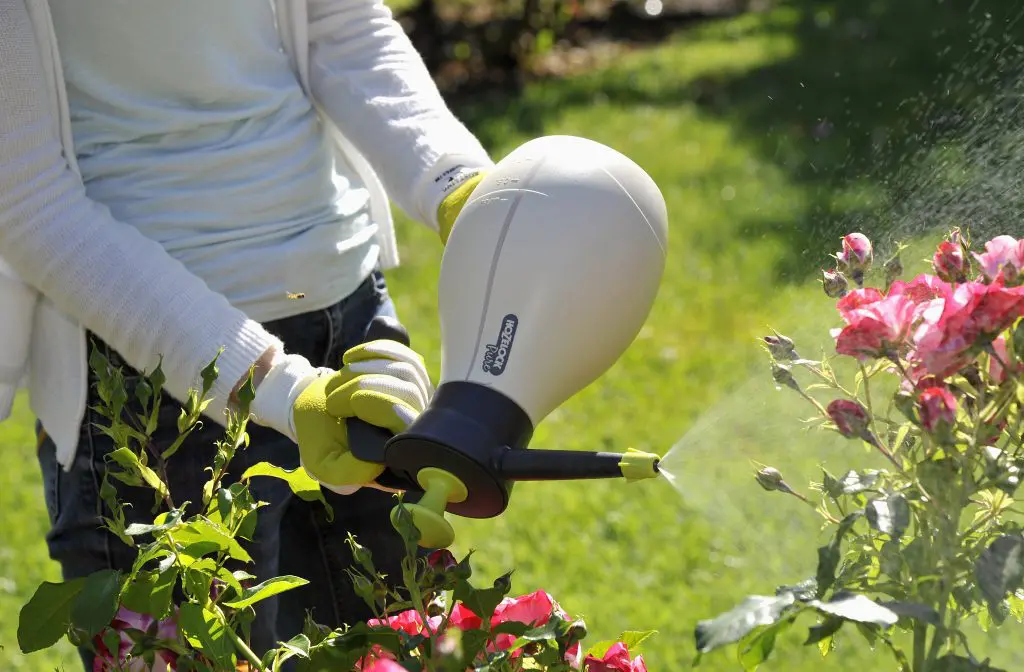

In gardening, choosing the right tools can greatly improve the health, growth, and appearance of your plants. The best handheld garden sprayer is a useful and essential tool that helps you care for your garden with better accuracy and efficiency.
| Product | Title & Rating | Features | Explore |
|---|---|---|---|
 | VIVOSUN 0.4 Gallon Handheld Garden Sprayer |
| Check Price |
 | Chapin 1002 48-Oz Multi-Purpose Handheld Sprayer |
| Check Price |
 | HARRIS Continuous Handheld Garden Sprayer 1.5L Pump Pressure |
| Check Price |
5 Best Handheld Garden Sprayers in 2026 That Make Plant Care Easier
A healthy and beautiful garden needs the right equipment, and a handheld sprayer is one of the most useful tools for gardeners. In this guide, we will explore the features, advantages, and performance of the 5 best handheld garden sprayer options available.
1. VIVOSUN 0.4 Gallon Handheld Garden Sprayer
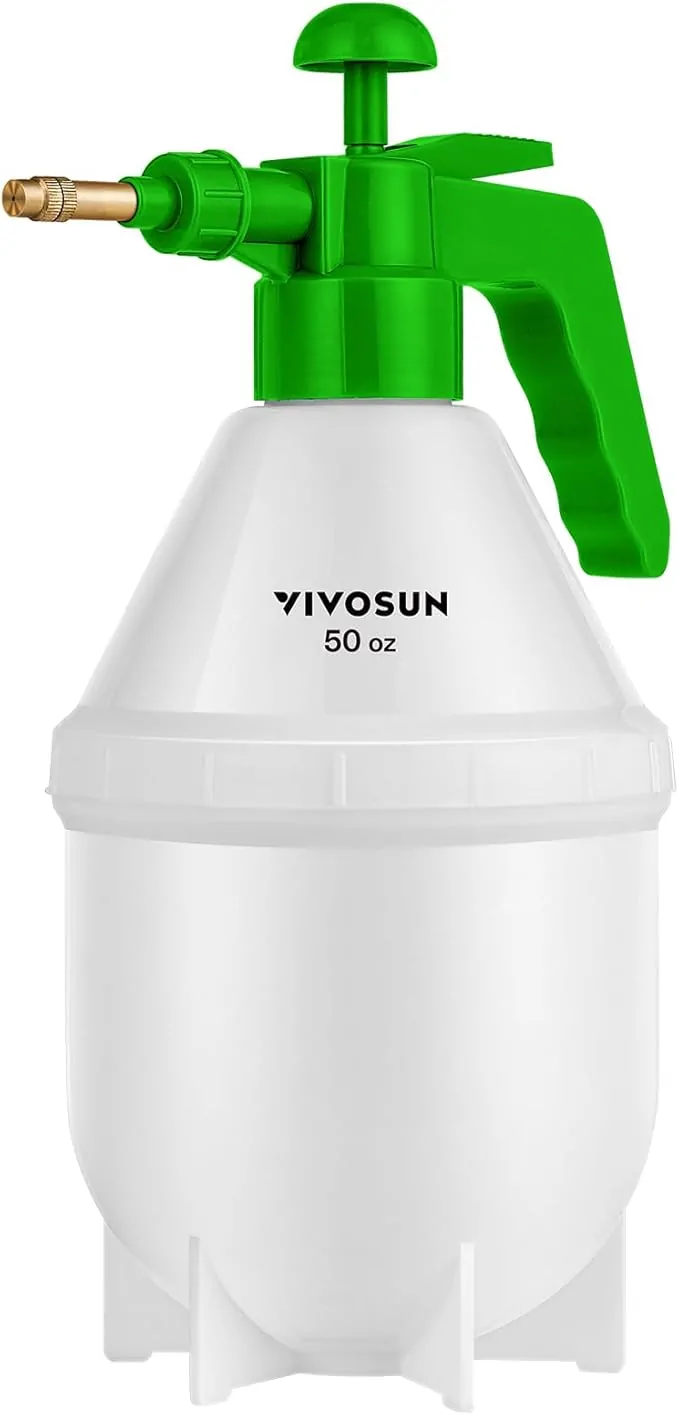
The VIVOSUN 50oz Pump Sprayer is a compact handheld pressure sprayer that comes with a 1,5-liter (50-ounce) tank. It is mainly designed for watering plants but can also be used for cleaning and other small spraying jobs. The sprayer has a green design with a translucent plastic bottle, allowing you to easily check the remaining liquid level. This feature helps you add the correct amount of solution without guessing.
expert start
What Is It and Its Product Features
A key feature of this sprayer is its adjustable brass nozzle. The brass construction provides strength and durability, while the adjustable design allows you to change the spray pattern from a soft mist to a stronger stream. It uses a manual pump mechanism that creates pressure inside the tank, allowing continuous spraying without repeatedly pressing a trigger like traditional spray bottles. The thickened bottom design also improves stability and prevents the bottle from easily tipping over.
Why It Matters
This feature is especially useful because different plants require different spraying methods. Delicate plants may need a gentle mist, while other gardening tasks require stronger and more focused spraying for watering or pest management. The locking handle allows continuous spraying without causing hand tiredness. It also includes a pressure release valve that improves safety by allowing extra pressure to escape after use.
My Set-Up and My Experience
Using the VIVOSUN pump sprayer for the first time was simple and convenient. I opened the top, filled the bottle with my prepared solution, closed it securely, and pumped the handle several times to create pressure. The transparent bottle was very helpful because I could clearly monitor the liquid level while filling. I mainly used this sprayer for watering indoor plants, applying liquid fertilizer, and spraying organic pest-control solutions. Cleaning was also easy because the parts can be separated, washed, and put back together without needing any tools.
Performance
The VIVOSUN pump sprayer delivered strong performance during initial use. The pressure developed smoothly, and the spray remained consistent during operation. The adjustable brass nozzle provided excellent control over the spray output. It created a fine mist for leaf spraying and produced a stronger stream when used for soil watering or pest control applications. This flexibility helped save time and reduced effort when caring for several plants. However, long-term durability appeared to vary depending on usage conditions.
Practical Tips (Product-Specific)
- Make sure the lid is tightly closed to prevent leaks
- Avoid excessive pumping because medium pressure provides better results
- Clean the nozzle regularly to prevent blockage
- Only use properly diluted solutions in the sprayer
- Release remaining pressure after finishing work
- Avoid using hot liquids above 131°F as recommended
expert end
pro start
| Pros | Cons |
|---|---|
| ✔️ Simple one-hand operation makes it comfortable to use | ❌ The O-ring may gradually lose pressure after extended use |
| ✔️ Adjustable brass nozzle provides better spray control | ❌ Certain solutions may cause nozzle blockage |
| ✔️ Transparent bottle makes checking liquid level easier | ❌ The seal can leak if the lid is not properly tightened |
| ✔️ Locking handle helps reduce hand strain during spraying | ❌ Long-term durability may vary with frequent use |
| ✔️ Useful for different tasks including watering and cleaning | ❌ Not the best choice for intensive or professional-level spraying |
pro end
2. Chapin 1002 48-Oz Multi-Purpose Handheld Sprayer
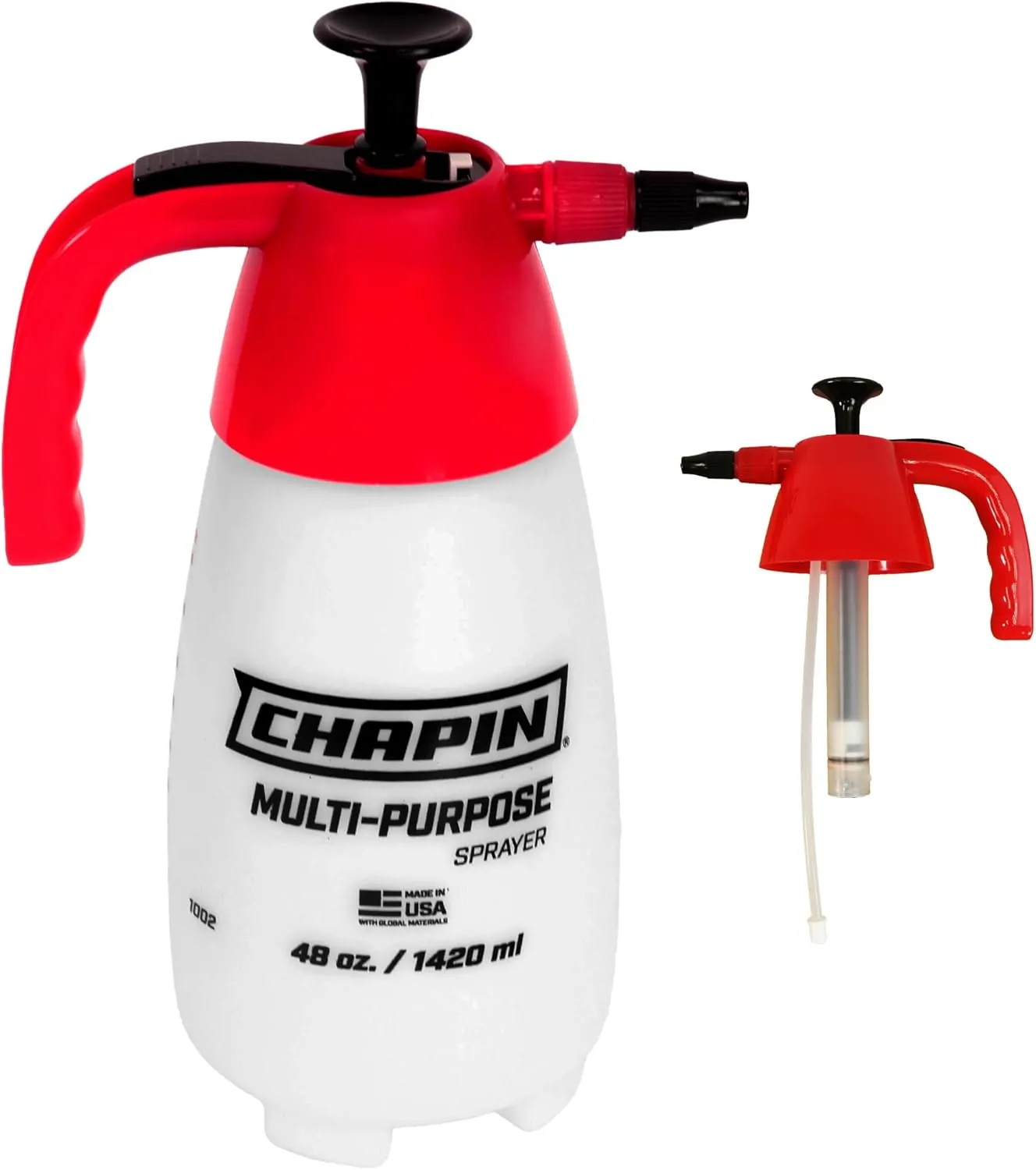
The Chapin 1002 is a 48-ounce (around 1,4-liter) handheld pump sprayer that comes with a translucent poly tank. This transparent design makes it easier to monitor the liquid level while preparing or applying solutions. The large opening at the top also makes filling, mixing, and cleaning more convenient while helping prevent unnecessary spills.
expert start
What is it and it features
A major feature of this sprayer is the adjustable cone nozzle, which lets you easily change the spray pattern from a fine mist to a focused stream. It also includes an in-tank anti-clog filter. From my experience, this filter is very helpful because it keeps the spray flow steady, especially when applying fertilizers or chemical solutions that may contain tiny particles.
Why it matters
This feature is important because every spraying job requires a different spray pattern. A soft mist works well for flowers, sensitive plants, and pest control, while a stronger stream is more useful for weeds and surface cleaning. The comfortable handheld design and thumb-operated shut-off system help reduce hand strain during extended spraying sessions. The seals and gaskets are designed to handle many common lawn, weed, and pest control chemicals, making this sprayer suitable for different gardening tasks.
My Set-Up and My Experience
Preparing the Chapin 1002 for use was quick and easy. I removed the pump handle, added the liquid through the wide tank opening, and tightened it securely. Building pressure required only a few pumps. Even after filling the tank completely, the sprayer remained lightweight and comfortable to move around the garden. I used one sprayer mainly for weed control and fertilizers, while another was used for degreasing and cleaning products. The handle provided a comfortable grip, and the thumb trigger allowed smooth spray control. The built-in wand holder was also a useful addition because it keeps the sprayer organized when stored.
Performance
The Chapin 1002 provides a steady and uniform spray performance. The adjustable nozzle operates smoothly and allows quick switching between mist and stream settings. The anti-clog filter works effectively by reducing spray interruptions caused by particles. For its compact size, pressure retention is impressive, although occasional pumping may be required during longer spraying tasks. I found it especially suitable for small gardens, houseplants, spot weed treatment, and precise applications. Overall, this 48-ounce handheld sprayer offers reliable performance for everyday gardening needs.
Practical Tips
- Inspect the O-ring regularly and apply a small amount of grease if pressure decreases
- Avoid tightening the nozzle too much; normal hand tightening is sufficient
- Wash the sprayer after each chemical application to prevent blockages
- Use labels when keeping separate sprayers for different liquids
- Release pressure before storage to increase seal durability
expert end
pro start
| Pros | Cons |
|---|---|
| ✔️ Lightweight construction makes it easy to handle | ❌ The grey safety tab may come out easily |
| ✔️ Large tank opening simplifies filling and cleaning | ❌ O-ring requires occasional maintenance |
| ✔️ Adjustable nozzle provides mist and stream options | ❌ Not designed for covering large garden spaces |
| ✔️ Anti-clog filter helps maintain consistent spraying | ❌ Plastic construction may not be ideal for heavy commercial applications |
| ✔️ Manufactured in the USA with dependable build quality | ❌ Spray pressure can reduce slightly during extended use |
pro end
3. HARRIS Continuous Handheld Garden Sprayer 1.5L Pump Pressure
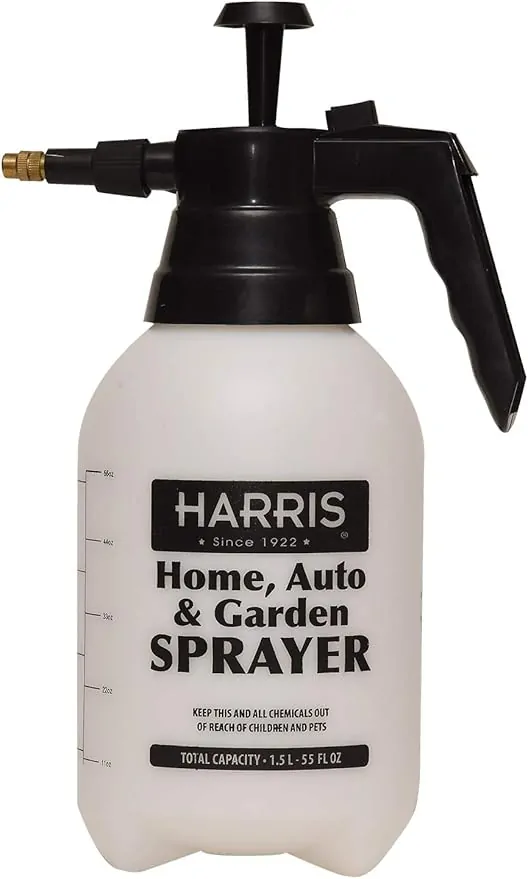
The HARRIS Continuous Hand Pump Pressure Sprayer is a 1,5-liter plastic pressure sprayer that uses manual pumping to create pressure. You simply fill the tank, pump the handle to build pressure, and then spray by pressing the trigger. The bottle includes measurement markings, making it easier to prepare mixtures correctly and accurately. This is important because using the wrong concentration can damage plants or make treatments less effective.
expert start
What Is It and Its Product Features
A major feature of this sprayer is the adjustable brass nozzle. It lets you switch between different spray patterns, including a fine mist and a stronger direct stream. This flexibility is useful because every gardening task requires a different spray style. A soft mist is suitable for delicate leaves, while a stronger stream helps apply solutions to soil or hard-to-reach areas. The locking trigger is another useful feature because it keeps the spray running without needing continuous finger pressure.
Why It Matters
This feature is important because it helps reduce hand strain during longer spraying work. The sprayer is also designed to be durable and resistant to many common garden chemicals, making it suitable for fertilizers, pest control solutions, and plant care treatments. A slight lubricant smell inside the bottle is normal and helps the pump parts move smoothly during operation.
My Set-Up and My Experience
The package did not include paper instructions, but the printed illustrations on the bottle explain the basic setup steps clearly. I removed the top, checked that the internal tube was connected correctly, filled the tank up to the marked level, and tightened the lid securely. After pumping around 10–15 times, the pressure increased quickly. The sprayer is very lightweight when empty and remains easy to handle after filling. I mainly used this sprayer on my Japanese Maple tree, which required treatment for powdery mildew during a hot and dry period. The pumping mechanism worked smoothly, and creating pressure required very little effort.
Performance
The performance of this sprayer has both advantages and limitations. The positive side is that it starts spraying immediately after pressure is created and provides good coverage for small tasks. It works well for quick applications and short spraying sessions. The locking trigger is also helpful when continuous spraying is needed. However, spray control can be inconsistent. When the trigger is released, the spray does not always stop immediately, making precise application more difficult. The adjustable brass nozzle is quite small and can be challenging to adjust accurately while using the sprayer. Even after adjustment, the spray pattern may change unexpectedly after a short time.
Practical Tips
- Do not pump excessively; medium pressure provides better control
- Always check the spray pattern before applying solutions to plants
- Clean the nozzle regularly to prevent uneven spraying
- Use it for shorter spraying periods to maintain stable pressure
- Remove any dirt around the trigger area before using it for the first time
expert end
pro start
| Pros | Cons |
|---|---|
| ✔️ Lightweight design makes it easy to carry | ❌ Spray output is not always consistent |
| ✔️ Clear measurement markings make filling simple | ❌ Nozzle adjustment is difficult for precise control |
| ✔️ Locking trigger helps reduce hand tiredness | ❌ Spray does not stop instantly after releasing trigger |
| ✔️ Suitable for basic garden liquids and treatments | ❌ Plastic material feels less durable |
| ✔️ Affordable option for regular gardening use | ❌ Pressure control can be inconsistent |
pro end
4. ITISLL Manual Garden Hand Sprayer 0.5 Gal 2L
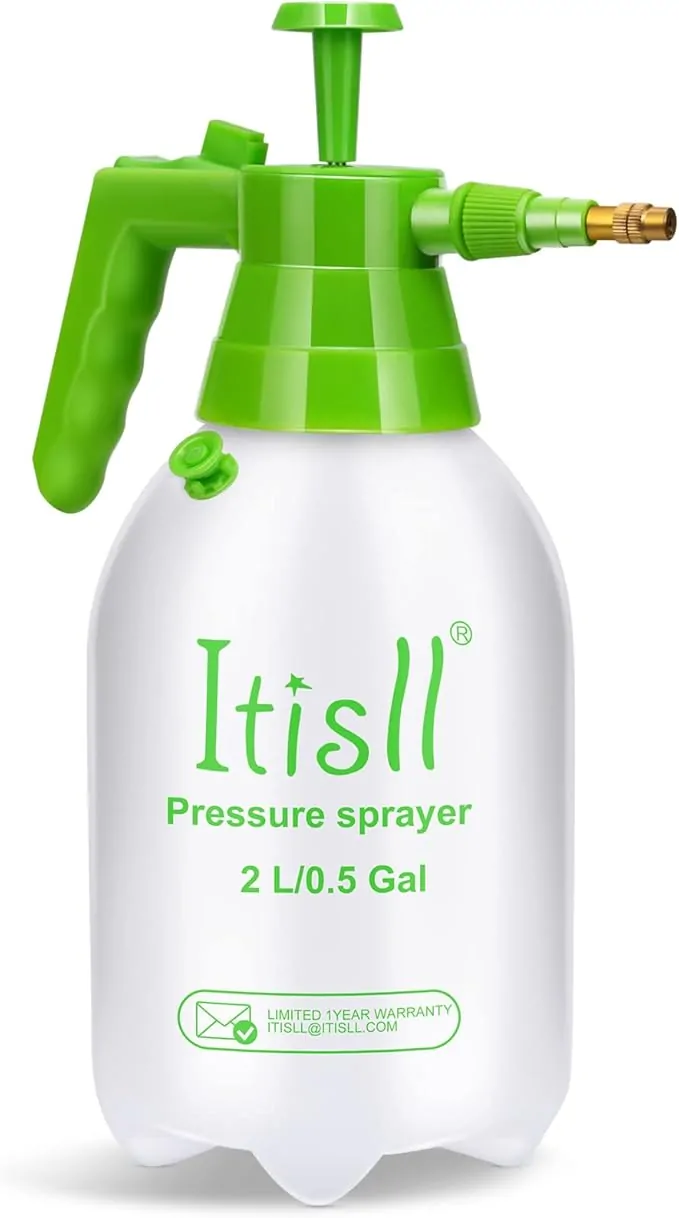
The ITISLL Manual Garden Sprayer is a hand-operated pressure sprayer with a 0,5-gallon (2-liter) tank capacity. It is built from strong plastic material and features a green handle with a white bottle design. Its compact size makes it a good choice for small gardens, balconies, patios, and indoor plant collections. A key feature is the adjustable brass nozzle, which allows users to change the spray style from a fine mist to a stronger direct spray depending on the gardening requirement.
expert start
What Is It and Its Features
One useful feature of this sprayer is the built-in safety valve, which helps release extra pressure and reduces the risk of damage or unsafe operation. This is especially helpful when the pump is used multiple times to increase pressure. The pump handle moves smoothly and feels strong during use rather than loose or fragile. The operating instructions are printed directly on the bottle, making it easier for beginners to understand how to use the sprayer correctly.
Why It Matters
This sprayer is designed for non-corrosive and non-acidic liquids only, and the liquid temperature should remain below 95°F to maintain safe operation and product durability. Following these limits is important because different gardening solutions have different chemical properties. These features make the sprayer safer, more reliable, and suitable for common gardening activities such as watering, fertilizing, and applying plant treatments.
My Set-Up and My Experience
I filled the tank with clean water while keeping the liquid level below the maximum fill line. After securing the lid properly, I pumped the handle around 20–30 times as recommended. The pressure increased quickly, and the sprayer was ready within less than one minute. I mostly used it for watering soil after seed planting, spraying young seedlings, and misting moss around my orchids and air plants. Once the pressure was built, the spray performance was smooth and consistent.
Performance
The ITISLL Manual Garden Sprayer performs very well for general gardening and outdoor plant care. The pump creates pressure efficiently, and the spray flow remains strong and stable during use. It works effectively for watering soil, applying fertilizer, and spraying pest control solutions. The mist setting creates a wide spray pattern, which can sometimes feel more like a light shower rather than a gentle leaf mist. The nozzle adjustment range is also limited. It mainly switches between a very fine mist and larger uneven droplets instead of offering many spray options.
Practical Tips
- Use clean water regularly to reduce the chance of nozzle blockage
- Release remaining pressure after use to protect seals and internal parts
- Pump slowly and consistently for more balanced pressure
- Suitable for neem oil and organic sprays but avoid acidic solutions
- Best used outdoors because of its wide spray coverage
expert end
pro start
| Pros | Cons |
|---|---|
| ✔️ Smooth and powerful pressure pump | ❌ Spray adjustment range is limited |
| ✔️ Lightweight and comfortable to carry | ❌ Not the best choice for delicate indoor misting |
| ✔️ Durable adjustable brass nozzle | ❌ Small capacity for bigger garden areas |
| ✔️ Safety valve provides extra protection | ❌ Wide mist pattern reduces spraying precision |
| ✔️ Good performance for its price range | ❌ Continuous spray lock may not work perfectly |
pro end
5. Futone 0.5 Gallon Hand Held Garden Sprayer (2L)
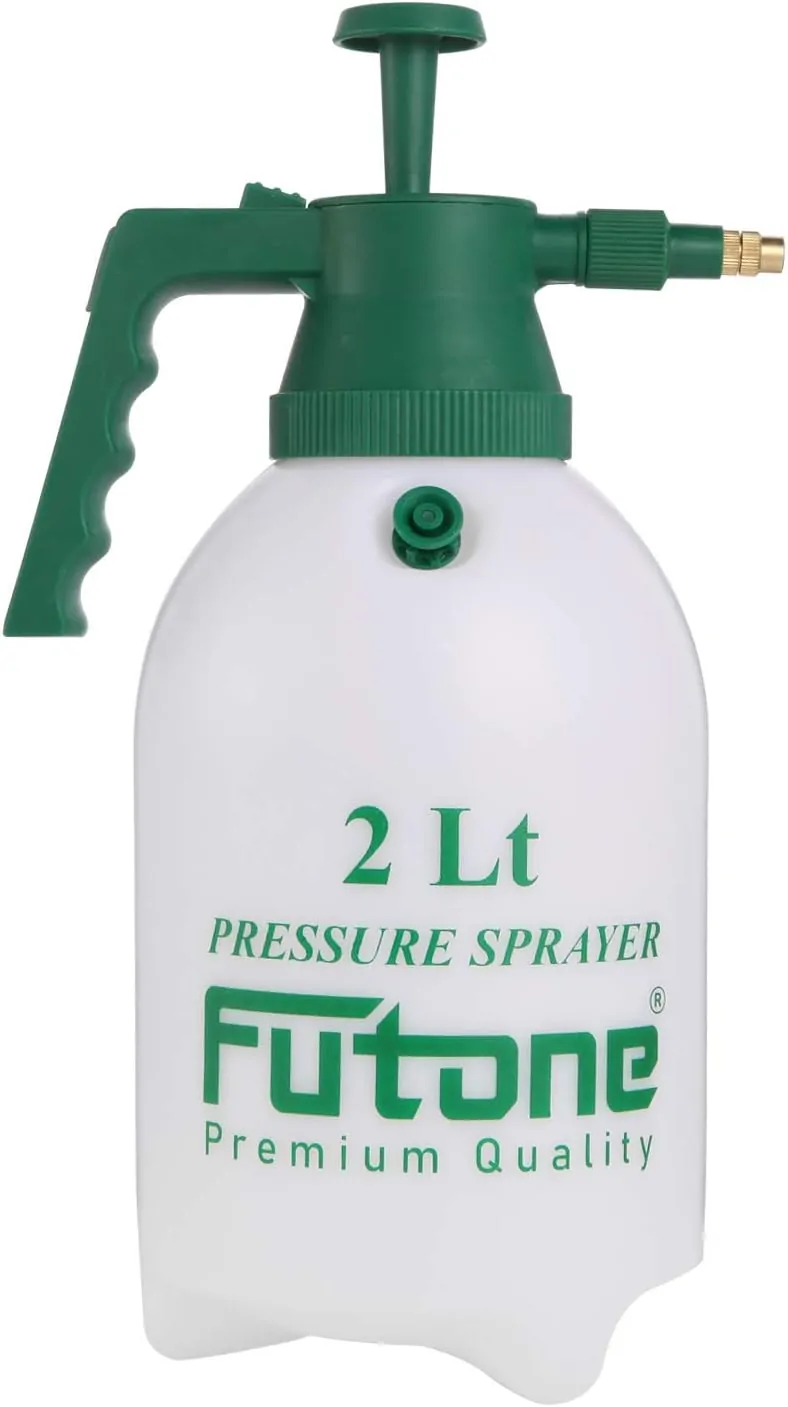
The Futone garden sprayer is a manual pump pressure sprayer that comes with a 0,5-gallon (2,0-liter) tank made from strong PP plastic. It is suitable for both indoor and outdoor gardening tasks, including watering plants, greenhouse activities, light cleaning, and other spraying applications. The white translucent bottle makes it easy to monitor the liquid level, helping you refill at the right time and prevent overfilling.
expert start
What Is It and Its Product Features
A major feature of this sprayer is its brass adjustable nozzle. This nozzle allows users to easily switch between different spray patterns, from a soft fine mist to a stronger direct stream, by rotating the nozzle tip. Another useful feature is the automatic safety pressure relief valve. This valve releases extra air pressure without requiring you to remove the lid. It improves safety during use and makes storage more convenient, especially when liquid remains inside the bottle.
Why It Matters
This feature is especially useful when caring for seedlings, flowers, and sensitive plants that require gentle misting instead of powerful water pressure. The hand pump creates pressure quickly, while the non-slip handle provides a more comfortable grip during spraying. The sprayer also comes with a continuous spray lock that helps reduce hand tiredness during longer spraying sessions. Its compact design makes it easy to carry around gardens, greenhouses, patios, and other work areas.
My Set-Up and My Experience
Before using the sprayer for the first time, I washed the bottle properly, filled it with clean water, and pumped the handle several times until enough pressure was created. The pumping action felt smooth and comfortable, which is important for reducing hand strain. I mainly used this sprayer for misting seed trays and keeping the growing medium moist during germination. It performed very well for this purpose. The nozzle adjusted easily to create a gentle mist, allowing precise control over the amount of water applied. It produced a fine spray that helped maintain suitable moisture levels for young plants.
Performance
The Futone sprayer provides steady pressure when it is pumped correctly. For light gardening tasks and misting applications, its spray performance is impressive. The brass nozzle creates a uniform mist that works especially well for seedlings and flowers. The pressure relief valve is a valuable safety feature, but it should be handled carefully. If the valve is opened or closed while pressure is still inside the sprayer, a small amount of liquid may escape. The nozzle is also highly responsive, meaning slight adjustments can quickly change the spray pattern from mist to stream. Users may need some practice to achieve the desired setting.
Practical Tips
- Always wash the sprayer completely after using vinegar or chemical solutions
- Check the spray pattern before applying it to sensitive plants
- Release remaining pressure through the safety valve before storing
- Do not tighten the nozzle tip excessively
- Inspect the nozzle cap regularly to make sure it remains properly fitted
expert end
pro start
| Pros | Cons |
|---|---|
| ✔️ Brass nozzle provides both fine mist and direct spray options | ❌ Not recommended for continuous use with acidic liquids |
| ✔️ Pressure relief valve improves safety and makes storage easier | ❌ Nozzle requires careful adjustment because it is highly sensitive |
| ✔️ Lightweight design makes it simple to carry | ❌ Spray lock may not always remain activated |
| ✔️ Translucent tank allows quick checking of liquid level | ❌ Small nozzle components may become loose with regular use |
| ✔️ Excellent choice for seedlings, flowers, and light spraying jobs | ❌ Pressure valve can release liquid if not operated carefully |
pro end
A Gardener’s Guide to Best Handheld Sprayers
Gardening is becoming an increasingly popular hobby and lifestyle activity in 2026. Whether you grow plants on a small balcony, maintain a backyard garden, or manage a greenhouse, proper plant care requires the right equipment. One essential tool that every gardener should have is a handheld garden sprayer.
Handheld sprayers are simple tools that help gardeners apply water, fertilizers, pesticides, and foliar feeds directly to plants. They are affordable, easy to operate, and useful for many different gardening tasks. In this article, we will explore the main categories of the 5 best handheld garden sprayers in 2026, how they function, their benefits and limitations, and practical tips for using them properly.
Why Use a Handheld Garden Sprayer in 2026?
Gardening equipment has improved greatly over the past few years. However, even with modern smart agriculture technologies and automated irrigation systems, handheld garden sprayers continue to play an important role in plant care. Many gardeners still prefer handheld sprayers because of the following reasons:
- Precision: They help apply liquids exactly where needed, reducing waste and improving coverage.
- Affordability: Compared with powered sprayers or complete irrigation systems, handheld sprayers are much cheaper and provide excellent control for small-scale gardening.
- Simplicity: They are easy to use because they do not require batteries, electricity, charging, or complicated installation.
- Versatility: They can be used for different applications, including watering, liquid fertilizers, pest control solutions, and foliar feeding.
- Portability: Their small and lightweight design makes them suitable for different garden types, including indoor plants, balconies, and outdoor vegetable gardens.
Based on gardening equipment trends in 2026, handheld sprayers continue to represent an important part of home gardening purchases. Their long-lasting popularity proves that simple and dependable tools remain valuable, even as advanced gardening technologies continue to develop.
How Handheld Garden Sprayers Work
Handheld garden sprayers are basic devices that use manual pressure to push liquid through a nozzle. Their working process is simple and includes the following main parts:
- Tank: The sprayer contains a storage container where liquid is filled. The tank size usually ranges from 0.5 to 1.5 liters/gallons depending on the model.
- Pump Mechanism: Pumping creates pressure inside the tank. Different models may use a lever pump, trigger pump, or twisting pump system.
- Nozzle: The nozzle controls the flow and spray pattern of the liquid. Many models allow adjustment between a fine mist and a stronger stream.
- Trigger/Handle: Pressing the trigger or handle releases the pressurized liquid through the nozzle.
Using a handheld sprayer is straightforward. First, fill the tank with your desired liquid solution. Next, pump the handle to create pressure, and then press the trigger or handle to begin spraying. The adjustable nozzle allows you to control the spray style, from a gentle mist for delicate plants to a stronger stream for applications that require more coverage.
Although these sprayers work manually, they can provide consistent and effective results. Many modern models also include safety valves that help remove extra pressure and reduce the chance of leaks. Their simple design is one of the main reasons they remain popular among gardeners.
Advantages & Disadvantages of Handheld Garden Sprayers
Handheld garden sprayers provide many useful benefits for gardeners across different experience levels:
Some advantages include:
- Easy to Use: These sprayers do not require advanced skills. Simply fill the tank, build pressure, and spray, making them suitable for beginners.
- Portable and Lightweight: Their compact structure allows easy movement around gardens of different sizes.
- Good Control Over Liquid Application: Unlike regular hoses that spread water widely, handheld sprayers allow precise application to leaves, roots, and specific plant areas.
- Cost-Effective: They are more affordable than powered spraying equipment and larger gardening machines.
- Versatile for Many Tasks: A single sprayer can be used for watering, fertilizing, pest management, and other plant care activities.
Disadvantages of Handheld Garden Sprayers
- Limited Capacity: Because of their compact handheld design, they have smaller tanks and may require frequent refilling in larger gardens.
- Manual Effort Required: Users need to pump manually to create pressure, which may become tiring during extended use.
- Spray Reach Is Limited: Handheld models cannot cover long distances like backpack sprayers or powered spraying systems.
- Cleaning Is Important: Regular cleaning is necessary to prevent nozzle blockage and maintain proper performance.
Tips for Using Best Handheld Lawn Sprayers in 2026
To achieve better performance and increase the working life of your handheld sprayer, follow these useful maintenance and usage tips:
- Clean It After Every Use : Always rinse the tank and nozzle after spraying to remove leftover liquids, prevent deposits, and keep the sprayer functioning properly.
- Wear Protective Gear When Using Chemicals: When applying pesticides, herbicides, or other chemical solutions, wear gloves and eye protection for better safety.
- Adjust the Nozzle for Each Task: Select a fine mist setting for delicate plants and a stronger stream when heavier application is required.
- Store It in a Cool, Dry Place: Avoid leaving sprayers in direct sunlight or extreme heat because these conditions may damage plastic components over time.
- Check Seals and Valves: Inspect seals, valves, and other parts before use to identify leaks, worn components, or possible pressure problems.
Conclusion
Handheld garden sprayers continue to be an essential gardening tool in 2026. Whether you prefer a traditional manual pump sprayer, a comfortable ergonomic model, a heavy-duty outdoor sprayer, a precision adjustable nozzle sprayer, or a leak-resistant safety model, each type offers different advantages.
The best sprayer choice depends on your garden size, the type of liquids you want to apply, and how frequently you perform gardening tasks. With the right selection and proper care, handheld garden sprayers can save time, minimize liquid waste, and support healthier plant growth throughout the year.
Frequently Asked Questions (FAQs)
1. What size of handheld sprayer is suitable for my garden size?
The ideal handheld sprayer size depends on different factors, including your garden area, the plants you grow, and the type of spraying work you need to perform. The following guidelines can help you select the correct size:
Small Gardens (Up to 500 sq. ft): A 1-2 gallon sprayer is suitable for spot treatments and focused applications.
Medium Gardens (500 – 2,000 sq. ft): A 2-3 gallon sprayer is a better choice for regular tasks such as fertilizing and pest control.
Large Gardens (2,000 sq. ft and above): A 4-gallon or larger sprayer provides better coverage for bigger areas.
Task Specificity: Choose the sprayer capacity according to your gardening activities – smaller tanks work well for targeted applications, while larger tanks are better for wider coverage.
Material and Durability: Select sprayers made from strong materials that can handle chemicals and outdoor conditions for longer service life.
2. What is the ideal pressure for effective spraying with a handheld garden sprayer?
The suitable pressure for a handheld garden sprayer depends on the specific model and the type of solution being applied. However, most handheld garden sprayers generally work effectively within a pressure range of 15 to 40 psi (pounds per square inch). Different solutions, including herbicides, insecticides, and fertilizers, may require specific pressure settings for proper application, so always check the product instructions before use. Too much pressure can cause excessive application or uneven spraying, while too little pressure may result in poor coverage.
references:
1. Sánchez-Hermosilla, J., Rincón, V. J., Páez, F. C., Pérez-Alonso, J., & Callejón-Ferre, Á. J. (2021). Evaluation of the effect of different hand-held sprayer types on a greenhouse pepper crop. Agriculture, 11(6), 532.
2. Fishel, F. M. (2009). Using Your Handheld Lawn and Garden Sprayer: PI 175/PI211, 1/2009. EDIS, 2009(1).
3. Wood, J. P., Magnuson, M., Touati, A., Gilberry, J., Sawyer, J., Chamberlain, T., … & Hook, D. (2021). Evaluation of electrostatic sprayers and foggers for the application of disinfectants in the era of SARS-CoV-2. PloS one, 16(9), e0257434.
4. Gazi, E., Whatley, P. R., Walker, M. D., Marriott, S. N., Hocknull, E., Barr, C. P., … & Mitchell, S. J. (2025). Evaluating vehicle‐borne and person‐worn spray technologies to deliver target decontaminant doses to urban surfaces for biological remediation. Remediation Journal, 35(2), e70015.
5. Ramos, L. M., Querejeta, G. A., Flores, A. P., Hughes, E. A., Zalts, A., & Montserrat, J. M. (2010). Potential dermal exposure in greenhouses for manual sprayers: analysis of the mix/load, application and re-entry stages. Science of the total environment, 408(19), 4062-4068.
6. Mashhadi, H., Raeini, M. G. N., Asoodar, M. A., & Mehdizadeh, S. A. (2025). Effect of pressure and nozzle diameter on spray quality and droplet size in handheld gun sprayers. Results in Engineering, 26, 104709.
7. Hoffmann, W. C., Walker, T. W., Smith, V. L., Martin, D. E., & Fritz, B. K. (2007). DROPLET-SIZE CHARACTERIZATION OF HANDHELD ATOMIZATION EQUIPMENT TYPICALLY USED IN VECTOR CONTROL1. Journal of the American mosquito control association, 23(3), 315-320.
8. Cerruto, E., Manetto, G., Santoro, F., & Pascuzzi, S. (2018). Operator dermal exposure to pesticides in tomato and strawberry greenhouses from hand-held sprayers. Sustainability, 10(7), 2273.
9. Rincon, V. J., Sanchez-Hermosilla, J., Paez, F., Perez-Alonso, J., & Callejon, A. J. (2017). Assessment of the influence of working pressure and application rate on pesticide spray application with a hand-held spray gun on greenhouse pepper crops. Crop Protection, 96, 7-13.
10. Llop, J., Gil, E., Gallart, M., Contador, F., & Ercilla, M. (2016). Spray distribution evaluation of different settings of a hand‐held‐trolley sprayer used in greenhouse tomato crops. Pest management science, 72(3), 505-516.
11. Haggar, R. J., Stent, C. J., & Isaac, S. (1983). A prototype hand-held patch sprayer for killing weeds, activated by spectral differences in crop/weed canopies. Journal of Agricultural Engineering Research, 28(4), 349-358.

